Last updated on 2026-10-01











Program overview
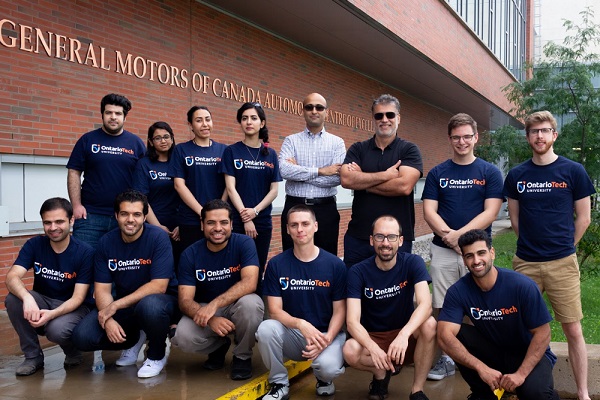
Prepare yourself to power the future! The Electrical Engineering program at Ontario Tech University focuses on the design and development of technologies, integrating electrical components into complex systems. Students will learn to apply their knowledge through the analysis, design, and implementation of various systems, including electrical, power, control, electronic, biomedical, photonic, and wireless systems. The curriculum is designed to help students understand and apply the principles of electrical engineering, preparing them for a successful career in the Canadian electrical engineering industry.
Program structure
The Electrical Engineering program offers a comprehensive structure designed to equip students with the necessary skills and knowledge for their future careers. Key details include:
- Program Length: The program can be completed in four or five years, depending on the chosen path.
- Delivery Method: In-class learning at Ontario Tech University, North Oshawa.
- Start Dates: Students can begin their studies in September or January.
- Program Load: Full-time commitment is required.
- Experiential Learning: Opportunities for co-op and internship experiences are available, allowing students to gain practical experience in the field.
Additionally, students have the option to pursue a Bachelor of Engineering and Management (Honours) program, which combines technical studies with business and management courses.
Featured Experiences
The Electrical Engineering program offers several unique features and experiences that enhance learning and career readiness:
- Co-op Program: A direct-entry co-op option allows students to apply for full-time, paid positions, providing valuable work experience and a steady income during their studies.
- Capstone Project: Students will engage in a capstone project that integrates their learning and allows them to apply their skills to real-world challenges.
- Specialization in Smart Grid: This specialization focuses on modern communication and networking technologies that transform electrical power systems, preparing students for advanced energy infrastructure roles.
- Access to Modern Facilities: Students benefit from innovative labs and research centers, including the Energy Systems and Nuclear Science Research Centre and the Jeffery Boyce Engineering Innovation and Design Studio.
- Women in Engineering Program: A support initiative aimed at helping female engineering students explore career opportunities and gain workforce experience.
Career Options
Graduates of the Electrical Engineering program can pursue a variety of career paths in Canada. Here are some potential job options:
- Electrical Engineer: Design and develop electrical systems and components for various applications, ensuring they meet safety and performance standards.
- Control and Instrumentation Engineer: Focus on designing and maintaining control systems and instrumentation used in industrial processes.
- Automation Engineer: Work on automating processes and systems to improve efficiency and productivity in manufacturing and other sectors.
- Energy Systems Engineer: Specialize in the design and management of energy systems, including renewable energy sources and smart grid technologies.
- Machine Learning Engineer: Develop algorithms and models that enable machines to learn from data, often working in fields like artificial intelligence and data science.
These roles highlight the diverse opportunities available to graduates, allowing them to make significant contributions to the engineering field and society as a whole.
DISCLAIMER: The information above is subject to change. For the latest updates, please contact LOA Portal's advisors.
Visit Ontario Tech University official website