Last updated on 2026-10-01










Program overview
Study in Canada's only accredited Automotive Engineering program and meet employment demands in a rewarding industry that's always evolving. The Automotive Engineering curriculum emphasizes the design and manufacturing of automobiles and their related components, including engines, vehicle dynamics, and autonomous vehicle technologies. This program prepares engineers to meet the advances of the automotive sector by accelerating research and developing alternative technologies, such as electric and fuel-driven vehicles.
Program structure
The Automotive Engineering program is designed to provide a comprehensive education in the field, with a focus on both theoretical knowledge and practical skills. The program structure includes:
- Program Length: Four or five years
- Full-time study
- In-class delivery method
- Start dates in September and January
- Direct-entry co-op option available
- Capstone project in the final year
Students will begin with a common foundation year, allowing them to explore various engineering disciplines before specializing in Automotive Engineering. The program also offers an option to pursue a Bachelor of Engineering and Management (Honours) for those interested in combining technical studies with business and management courses.
Featured Experiences
The Automotive Engineering program offers several unique features and experiential learning opportunities, including:
- Direct-entry co-op program providing full-time, paid employment opportunities
- Capstone project that allows students to apply their knowledge in real-world scenarios
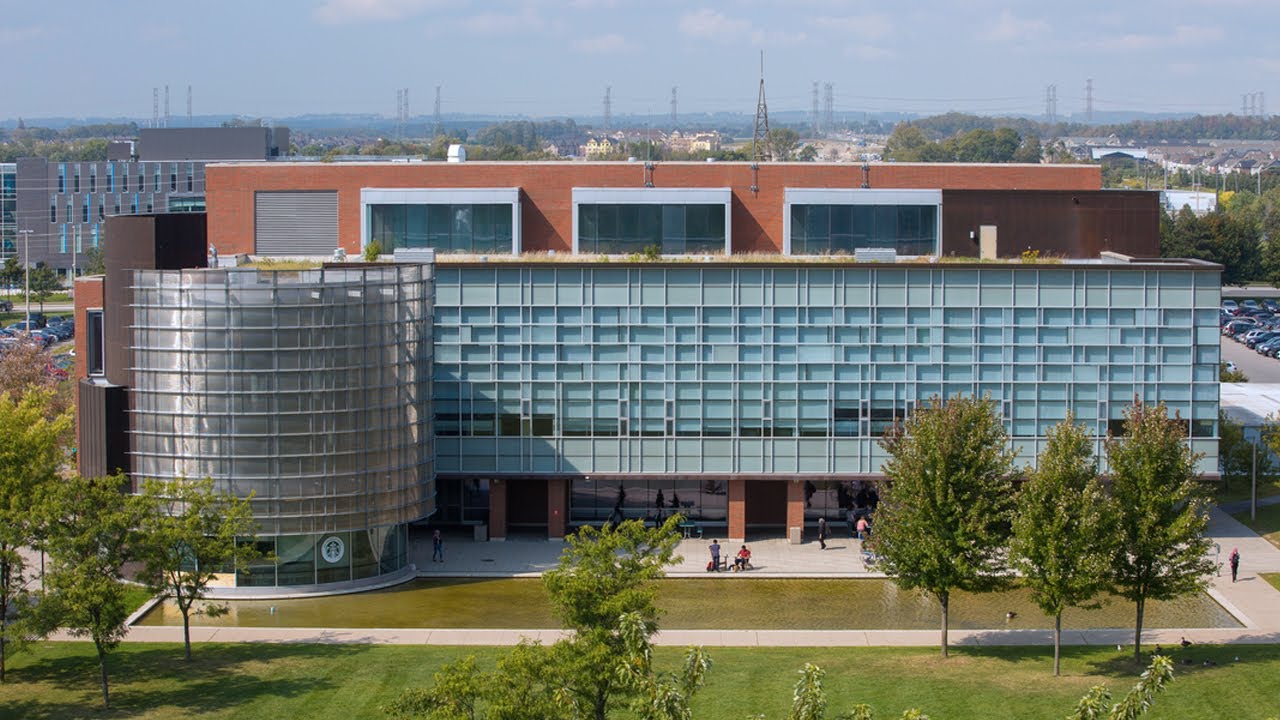
- Access to modern facilities and innovative labs, such as the Energy Systems and Nuclear Science Research Centre and the Jeffery Boyce Engineering Innovation and Design Studio
- Peer Mentoring program for first-year students to ease the transition to university
- Women in Engineering support program to help female students explore career opportunities
Career Options
Graduates of the Automotive Engineering program can pursue a variety of career paths in Canada, including:
- Automation Engineer: Design and implement automated systems for manufacturing processes.
- Controls Engineer: Develop and maintain control systems for automotive applications.
- Manufacturing Engineer: Oversee production processes and improve manufacturing efficiency.
- Mechanical Engineer: Design and analyze mechanical systems and components in vehicles.
- Mechatronics Engineer: Integrate mechanical, electronic, and software systems in automotive technologies.
- Project Engineer: Manage engineering projects from conception to completion, ensuring they meet specifications and deadlines.
- Systems Engineer: Focus on the design and integration of complex automotive systems.
- Transportation Supervisor: Oversee transportation operations and ensure compliance with safety regulations.
DISCLAIMER: The information above is subject to change. For the latest updates, please contact LOA Portal's advisors.
Visit Ontario Tech University official website