Last updated on 2026-05-11









Program overview
The College Diploma in Veterinary Technology is designed for students who are passionate about animal care and welfare. This program equips students with the essential skills and knowledge required to work effectively in veterinary clinics, animal hospitals, and other related environments. Students will learn about animal anatomy, physiology, and various veterinary procedures, preparing them for a rewarding career in the veterinary field. The program emphasizes hands-on experience, ensuring that graduates are well-prepared to meet the demands of the profession.
Program structure
The College Diploma in Veterinary Technology is structured to provide a comprehensive education over a two-year period. The program includes a blend of theoretical knowledge and practical skills, ensuring that students are well-equipped for their future careers. Key features of the program structure include:
- Hands-on training in veterinary clinics and laboratories.
- Opportunities for co-op placements to gain real-world experience.
- Access to state-of-the-art facilities and equipment.
- Integration of classroom learning with practical applications.
Students will engage in various learning activities that enhance their understanding of veterinary practices and animal care. The program is designed to adapt to the evolving needs of the veterinary industry, ensuring that students receive relevant and up-to-date training.
Featured Experiences
- Co-op placements that provide valuable work experience in veterinary settings.
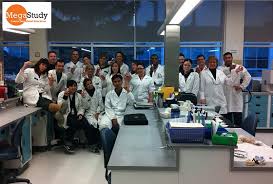
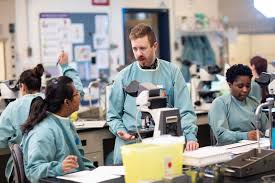
- Hands-on laboratory work to develop practical skills in animal care.
- Field experiences that allow students to apply their knowledge in real-world situations.
- Joint partner programs with local veterinary clinics for enhanced learning opportunities.
- Access to specialized workshops and seminars led by industry professionals.
Career Options
- Veterinary Technician: Assist veterinarians in diagnosing and treating animals, performing laboratory tests, and providing nursing care.
- Animal Health Technologist: Focus on the health and well-being of animals, working in clinics, shelters, or research facilities.
- Veterinary Assistant: Support veterinary staff in daily operations, including animal handling and client communication.
- Animal Care Specialist: Work in animal shelters or rescue organizations, providing care and rehabilitation for animals in need.
- Research Assistant: Participate in veterinary research projects, assisting with data collection and analysis related to animal health.
DISCLAIMER: The information above is subject to change. For the latest updates, please contact LOA Portal's advisors.
Visit Northern Alberta Institute of Technology (NAIT) official website