Last updated on 2025-05-14


Program Overview
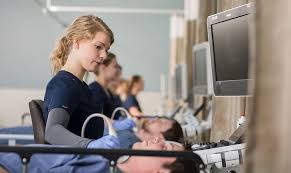
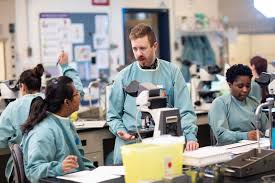
The Combined Laboratory and X-Ray Technology program at NAIT is designed to equip students with the skills necessary to excel in both medical laboratory and X-ray disciplines. This unique program prepares graduates to serve effectively in rural community hospitals and healthcare centers. Students will gain hands-on experience and theoretical knowledge, enabling them to perform essential medical procedures and contribute to patient care in diverse settings.
Program Structure
The Combined Laboratory and X-Ray Technology program spans a total of 2 years of full-time study. The program is structured as follows:
- Year 1 consists of 38 weeks of lectures and hands-on labs, including two 15-week semesters and one 8-week intersession.
- Students will then progress to an affiliated rural clinical site for 40 weeks of Work Integrated Learning (WIL).
- Classes are delivered in a hybrid format, combining in-person and online learning.
- Students can expect to spend approximately 12 hours per week in labs and 11 hours in synchronous online classes.
- Clinical training will require a commitment of 40 hours per week, which may include evenings, nights, and weekends.
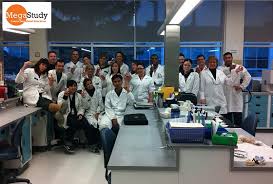
This program also emphasizes the importance of teamwork and communication skills, preparing students to work effectively with healthcare professionals.
Featured Experiences
- Hands-on training in both medical laboratory and X-ray disciplines.
- Work Integrated Learning (WIL) at rural clinical sites, providing real-world experience.
- Collaboration with healthcare professionals, including physicians and technologists.
- Access to high-fidelity simulation training to enhance practical skills.
- Training on information systems and technology relevant to medical laboratory and diagnostic imaging.
Career Options
Graduates of the Combined Laboratory and X-Ray Technology program can pursue various career paths in Canada, including:
- Medical Laboratory Technologist: Perform laboratory tests and analyze results to assist in diagnosing diseases.
- X-Ray Technologist: Operate radiographic equipment to produce images for diagnostic purposes.
- Electrocardiogram (ECG) Technician: Conduct ECG tests to monitor heart activity and assist in diagnosing heart conditions.
- Healthcare Team Member: Collaborate with other healthcare professionals to provide comprehensive patient care.
- Clinical Educator: Train and mentor new technologists in clinical settings, ensuring adherence to best practices.
DISCLAIMER: The information above is subject to change. For the latest updates, please contact LOA Portal's advisors.
Visit Northern Alberta Institute of Technology (NAIT) official website