Last updated on 2025-05-14






Program Overview
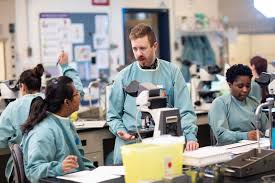
The Medical Laboratory Technology program at NAIT prepares students to become registered medical laboratory technologists. This program focuses on performing a wide variety of laboratory tests and procedures that assist physicians in the diagnosis, treatment, and prevention of diseases. Students will gain hands-on experience in analyzing human blood and body fluids, as well as preparing tissue samples for microscopic examination. The program emphasizes the importance of collecting blood samples from patients, which is a crucial aspect of the profession.
Program Structure
The Medical Laboratory Technology program is designed to be completed in 2 years of full-time study. The program is structured into two main phases:
- Phase I: 49 weeks of classroom instruction at NAIT Main Campus, including blended (virtual and in-person) classes and labs.
- Phase II: 38 weeks of Work Integrated Learning (WIL) at affiliated clinical sites, providing practical experience in various clinical settings.
Students can expect to spend approximately 30-35 hours per week in classes and labs during Phase I, along with 20-25 hours for studying and assignments. In Phase II, students will engage in about 40 hours per week of clinical placement, which may include early, late, and weekend shifts. The program also includes a mandatory work-integrated learning component, ensuring that students gain valuable real-world experience.
Featured Experiences
- Hands-on training in a level II containment laboratory.
- Work Integrated Learning (WIL) at multiple clinical sites, allowing students to apply their knowledge in real-world settings.
- Access to NAIT's advanced Simulation Centre for practical training.
- Collaboration with registered medical laboratory technologists during clinical placements.
- Preparation for the CSMLS national certification exam.
Career Options
Graduates of the Medical Laboratory Technology program can pursue various career opportunities in Canada, including:
- Medical Laboratory Technologist: Perform laboratory tests and analyze results to assist in diagnosing diseases.
- Clinical Chemist: Specialize in analyzing bodily fluids to detect chemical imbalances and diseases.
- Microbiologist: Study microorganisms to understand their impact on human health and disease.
- Transfusion Science Specialist: Manage blood products and ensure safe transfusions for patients.
- Histotechnologist: Prepare tissue samples for microscopic examination to aid in disease diagnosis.
DISCLAIMER: The information above is subject to change. For the latest updates, please contact LOA Portal's advisors.
Visit Northern Alberta Institute of Technology (NAIT) official website