Last updated on 2026-02-02













Program overview
The Graduate Certificate in Charcuterie and Artisanal Foods is designed for culinary enthusiasts looking to elevate their skills in the art of food preservation and production. This program offers a unique opportunity to learn ancient techniques from various cultures, including Italy, France, and Spain. Students will engage in hands-on practice and chef-driven demonstrations, focusing on skills such as dry curing, cheese making, and fermentation. Additionally, the program emphasizes the development of business acumen, enabling students to create and execute their own culinary business plans.
Program structure
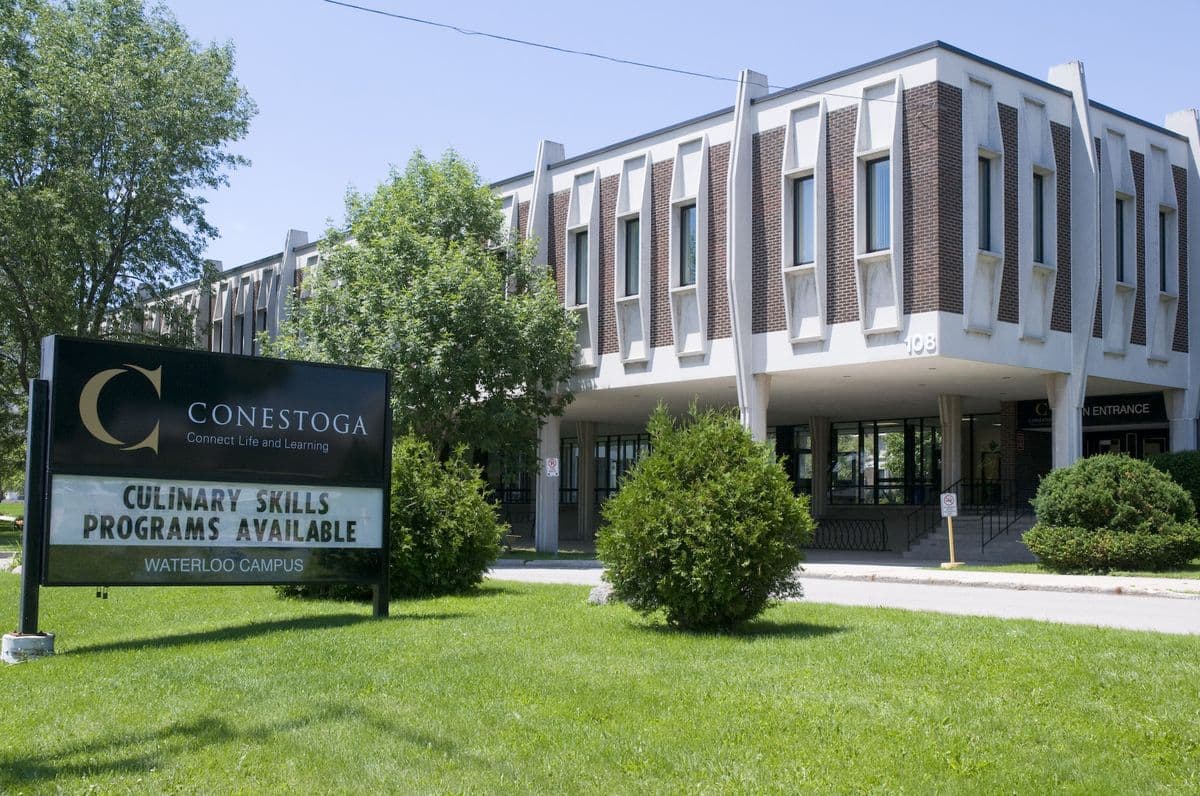
The Graduate Certificate in Charcuterie and Artisanal Foods is a full-time program that spans 1 year, consisting of 2 academic terms. This immersive program is delivered at the Waterloo campus and is designed to provide students with both practical and theoretical knowledge in the culinary arts.
Key features of the program structure include:
- Hands-on learning through live demonstrations and practical sessions.
- Focus on ancient food preservation techniques.
- Business skills training to support entrepreneurial endeavors.
- Full-time delivery format for an immersive educational experience.
Featured Experiences
The Graduate Certificate in Charcuterie and Artisanal Foods offers several unique experiences that enhance the learning journey:
- Live chef-driven demonstrations that provide real-world insights into culinary techniques.
- Hands-on practice with traditional methods of food preparation and preservation.
- Opportunities to create and execute a business plan, preparing students for entrepreneurship in the culinary field.
- Exposure to various international culinary practices, enriching the educational experience.
Career Options
Graduates of the Graduate Certificate in Charcuterie and Artisanal Foods can pursue a variety of exciting career paths in Canada, including:
- Charcuterie Specialist: Focus on the production of cured meats and artisanal products, working in specialty shops or restaurants.
- Food Entrepreneur: Start and manage a personal business in the culinary arts, such as a food truck or catering service.
- Culinary Instructor: Teach culinary techniques and food preservation methods at educational institutions or workshops.
- Product Developer: Work with food companies to create new artisanal food products, focusing on quality and innovation.
- Food Safety Consultant: Advise businesses on best practices for food safety and compliance with regulations.
DISCLAIMER: The information above is subject to change. For the latest updates, please contact LOA Portal's advisors.
Visit Conestoga College official website