Last updated on 2026-01-21

Program overview
The Welding and Fabrication Techniques Ontario College Certificate program is a one-year course designed to equip students with essential skills for a successful career in the welding industry. Under the mentorship of experienced faculty, students engage in a blend of theoretical knowledge and practical shop work. This program emphasizes the safe operation of modern industrial welding equipment, enabling students to read and interpret engineering drawings, take technical measurements, and ensure quality in their work. Upon completion, graduates may qualify for exemptions from Level 1 and 2 Welder Apprenticeship training, opening doors to various career opportunities in the field.
Program structure
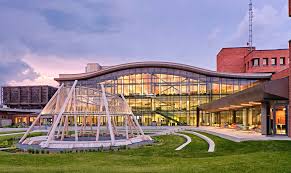
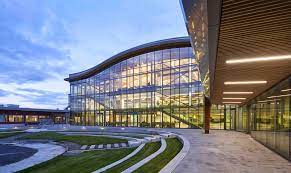
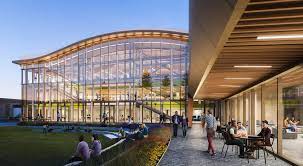
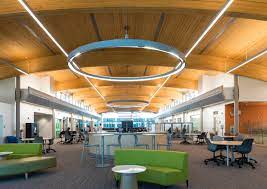
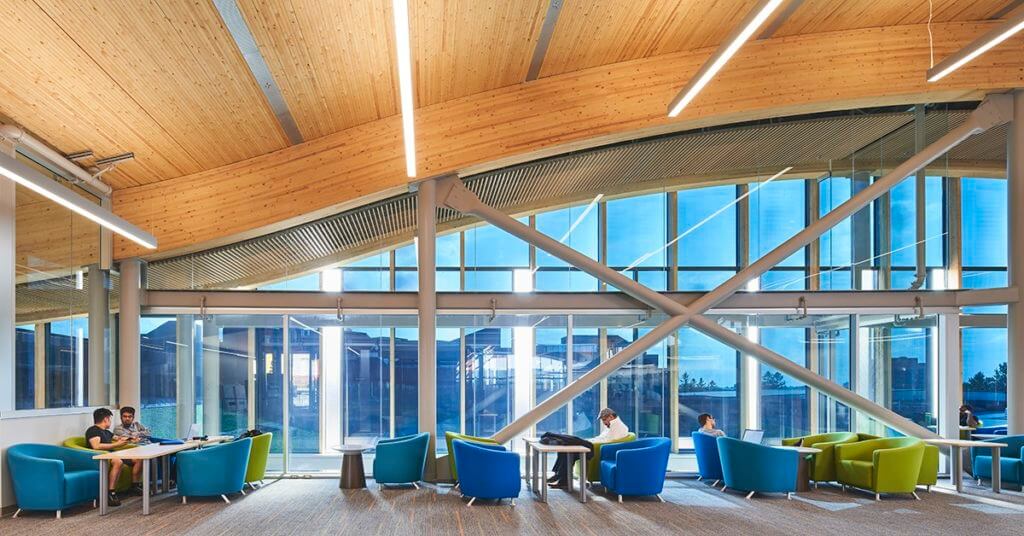
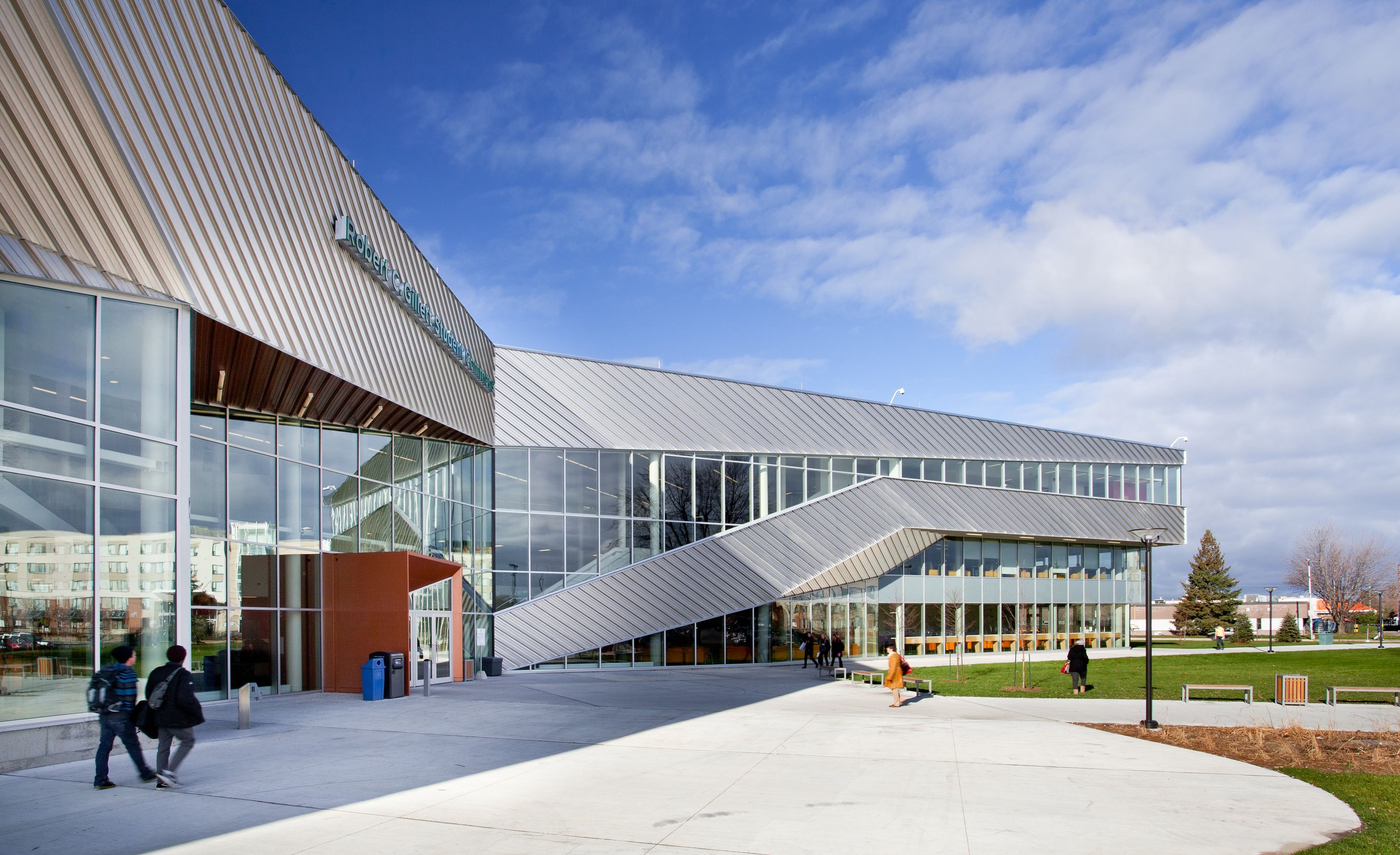
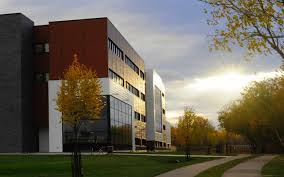
The Welding and Fabrication Techniques program is structured over a duration of three semesters, allowing students to balance their studies with part-time or full-time work, as the weekly timetable is approximately 16 hours. The program is delivered in the state-of-the-art Algonquin Centre for Construction Excellence (ACCE) facility, where students gain hands-on experience with modern welding equipment and advanced technology. Key features of the program include:
- Combination of theory and practical shop work
- Opportunity to challenge Canadian Welding Bureau (CWB) structural qualifications
- Field projects for hands-on workplace experience
Students will learn various welding techniques, including Gas Tungsten Arc Welding (GTAW), Shielded Metal Arc Welding (SMAW), Gas Metal Arc Welding (GMAW), and Flux-Cored Arc Welding (FCAW). The program is designed to provide a comprehensive foundation in welding and fabrication, preparing students for diverse career paths in the industry.
Featured Experiences
The Welding and Fabrication Techniques program offers several unique experiences that enhance learning and skill development:
- Hands-on training with modern industrial welding equipment
- Field projects that provide real-world experience
- Access to advanced technology in welding and fabrication
- Opportunity to challenge CWB qualifications in various welding processes
- Guidance from experienced faculty throughout the program
These experiences are designed to ensure that students not only learn the theoretical aspects of welding but also gain practical skills that are highly valued in the job market.
Career Options
Graduates of the Welding and Fabrication Techniques program can pursue a variety of career opportunities in Canada, including:
- Welder: Skilled professionals who join metal parts using various welding techniques, ensuring structural integrity and quality.
- Fabricator: Specialists who create metal structures and components by cutting, shaping, and assembling materials.
- Welding Inspector: Professionals responsible for examining welds and ensuring compliance with safety and quality standards.
- Manufacturing Technician: Individuals who work in production settings, operating welding equipment and ensuring efficient manufacturing processes.
- Ship Repair Technician: Experts who perform welding and fabrication tasks on ships, ensuring they are seaworthy and meet industry standards.
These roles are essential in various sectors, including machine shops, gas and oil, structural welding, fabrication, manufacturing, ship repair, and mining, providing graduates with a wide range of employment opportunities.
DISCLAIMER: The information above is subject to change. For the latest updates, please contact LOA Portal's advisors.
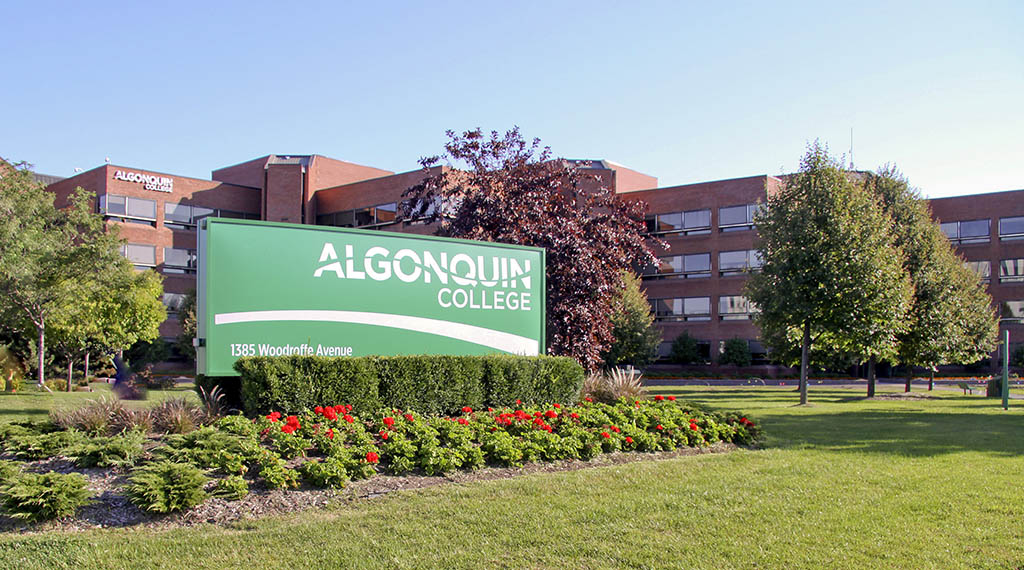
Visit Algonquin College official website