Last updated on 2025-07-14
Program Overview
The Skilled Trades Techniques: Welding and Metal Fabrication program is designed for those interested in exploring various trades before committing to a specific field. In the first year, students will examine multiple trade areas, including welding, while acquiring essential skills such as safety practices, rigging, hoisting, and blueprint reading. This foundational knowledge is applicable across all trades. In the second year, students will specialize in their chosen trade, gaining in-depth skills and practical experience. The program emphasizes hands-on learning and includes a work placement, preparing students for a successful career in the trades. Graduates are in high demand, with many receiving job offers even before completing their studies.
Program Structure
The Skilled Trades Techniques program is structured over a duration of two academic years of full-time study. The program includes:
- Year 1: Exploration of various trades including welding, carpentry, plumbing, and electrical work.
- Year 2: Specialization in a specific trade, such as Welding & Metal Fabrication.
- Hands-on learning experiences in workshops and labs.
- A work placement to gain real-world experience in the chosen trade.
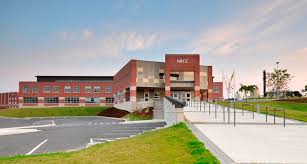
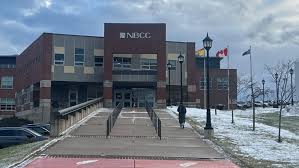
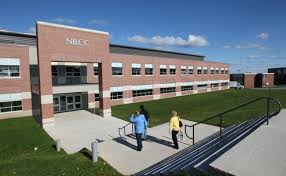
This program is offered at the Woodstock Campus, where students can focus on Welding & Metal Fabrication among other trades. Please note that second-year specialization options are subject to change based on availability.
Featured Experiences
- Hands-on learning in well-equipped workshops.
- Work placement opportunities in the second year to gain practical experience.
- Exploration of multiple trades in the first year to help students make informed decisions.
- Focus on safety and practical skills applicable to various trades.
- Access to experienced instructors and industry professionals.
Career Options
Graduates of the Skilled Trades Techniques program can pursue a variety of career paths in Canada, including:
- Welder: Specializes in joining metal parts using various welding techniques, ensuring structural integrity and safety.
- Carpenter: Constructs, installs, and repairs structures and fixtures made of wood and other materials.
- Plumber: Installs and repairs piping systems, fixtures, and appliances related to water and gas supply.
- Electrical Technician: Works on electrical systems, ensuring they are safe and functional in residential and commercial settings.
- Heavy Equipment Technician: Maintains and repairs heavy machinery used in construction, mining, and other industries.
These roles are essential in various sectors, and the demand for skilled tradespeople continues to grow across Canada.
DISCLAIMER: The information above is subject to change. For the latest updates, please contact LOA Portal's advisors.
Visit NBCC - New Brunswick Community College official website