





Program overview
The Post-Diploma Bachelor of Health Sciences - Addictions Counselling program is designed for individuals who have completed a diploma in a related field and wish to further their education. This program focuses on equipping students with the necessary skills and knowledge to address addiction issues in various settings. It emphasizes a comprehensive understanding of addiction, mental health, and the social factors that influence these areas. Graduates will be prepared to work in diverse environments, providing support and counseling to individuals struggling with addiction.
Program structure
The Post-Diploma Bachelor of Health Sciences - Addictions Counselling program has a program length that typically spans over a specified duration, allowing students to balance their studies with other commitments. The program structure includes:
- Core courses that cover essential topics in addiction and mental health.
- Opportunities for practical experience through co-op placements or internships.
- Flexible learning options to accommodate different learning styles.
- Access to resources and support services to enhance the learning experience.
This program is designed to provide a well-rounded education, preparing students for the complexities of working in the field of addictions counseling.
Featured Experiences
- Co-op placements that provide hands-on experience in real-world settings.
- Field experiences that allow students to apply their knowledge in practical situations.
- Joint partner programs with local organizations to enhance learning opportunities.
- Access to specialized labs and resources focused on addiction studies.
- Networking opportunities with professionals in the field of health sciences.
Career Options
- Addictions Counselor: Work with individuals struggling with substance abuse, providing support and strategies for recovery.
- Mental Health Worker: Assist clients in managing mental health issues, often in conjunction with addiction treatment.
- Case Manager: Coordinate care and services for clients, ensuring they receive the necessary support for recovery.
- Community Outreach Worker: Engage with the community to promote awareness and resources related to addiction and mental health.
- Program Coordinator: Oversee addiction treatment programs, ensuring they meet the needs of clients and comply with regulations.
DISCLAIMER: The information above is subject to change. For the latest updates, please contact LOA Portal's advisors.
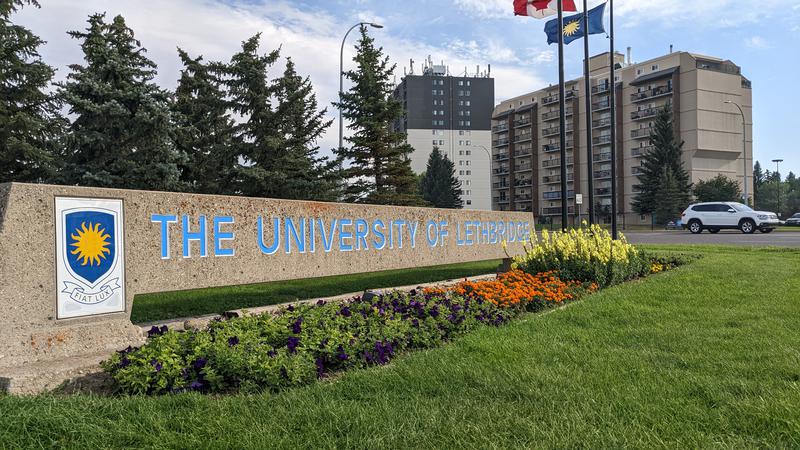
Visit UOL - University of Lethbridge official website