Last updated on 2026-07-29






Program overview
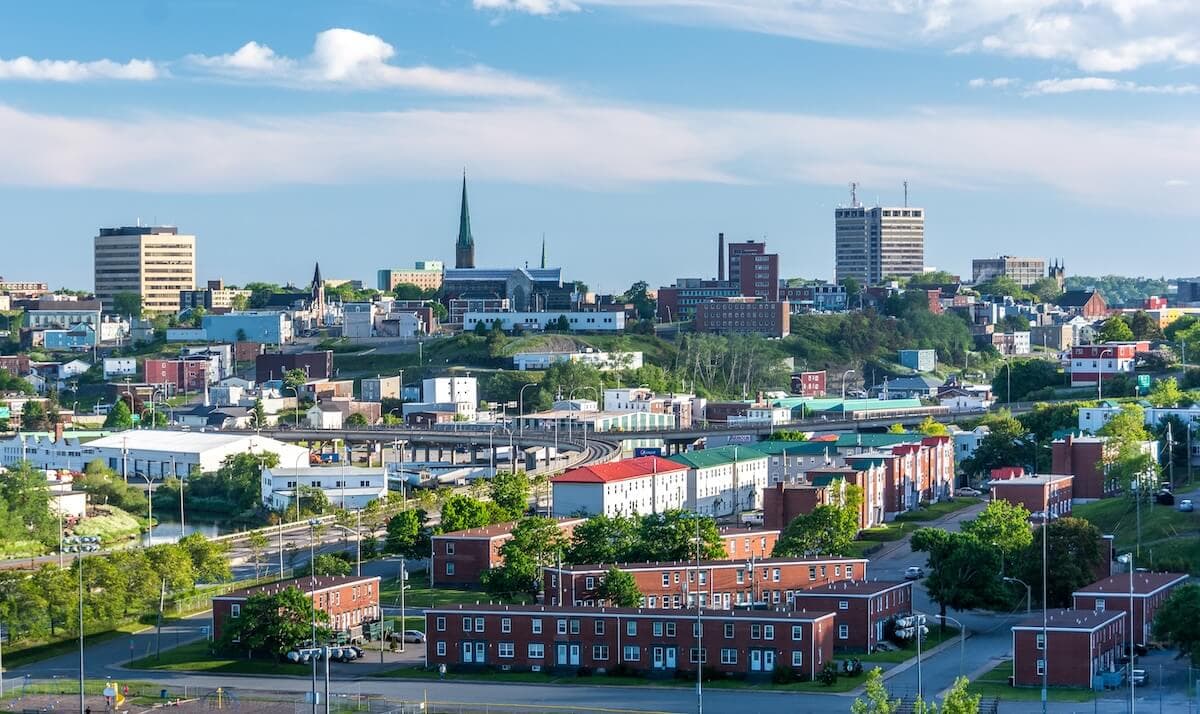
The Bachelor of Health - Biomedical Sciences and Health program at UNB Saint John offers students a comprehensive education in health and wellness. Located adjacent to the Saint John Regional Hospital, this program provides a solid foundation in biomedical sciences, preparing students for various health-care professions. The curriculum emphasizes the biological mechanisms underlying diseases and the psychological factors affecting health. Students gain in-depth knowledge and skills essential for success in the health sector, making this program an excellent choice for those considering careers in healthcare or further studies in medical fields.
Program structure
The Bachelor of Health program is a 4-year interdisciplinary degree that focuses on all aspects of health. The program structure includes:
- Introductory and advanced courses in biology, chemistry, and psychology.
- Courses covering social and biological determinants of health, current health issues, and health policy.
- Research methods and data analysis training.
- Hands-on learning experiences through job-shadowing and internships starting from the first year.
- A capstone course in the fourth year where students work in multidisciplinary teams to address critical health issues.
This program is designed to produce well-rounded health professionals equipped with the necessary knowledge and skills for various careers in the health sector, as well as preparation for further professional or graduate studies.
Featured Experiences
The Bachelor of Health program offers several unique features and experiences, including:
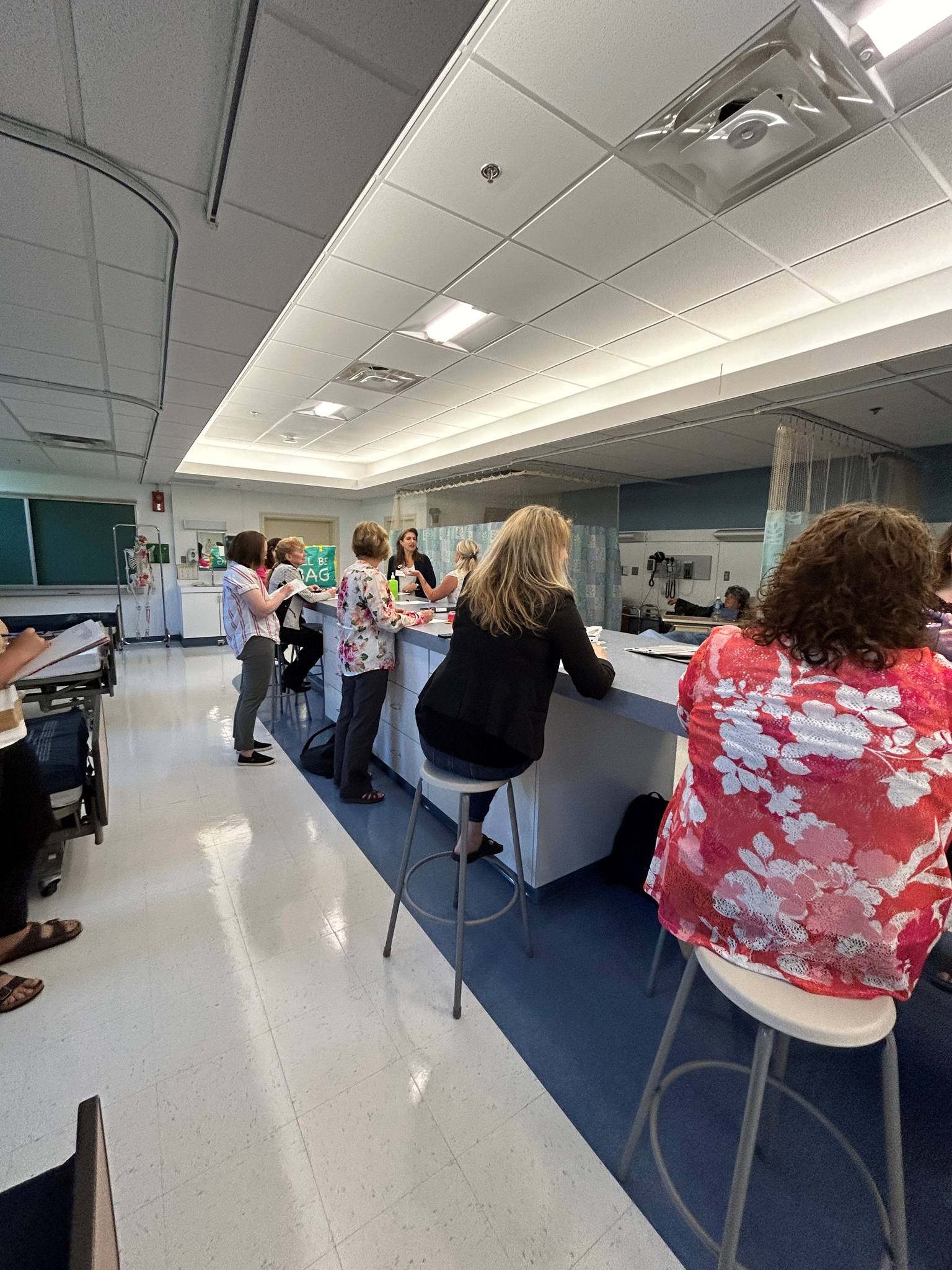
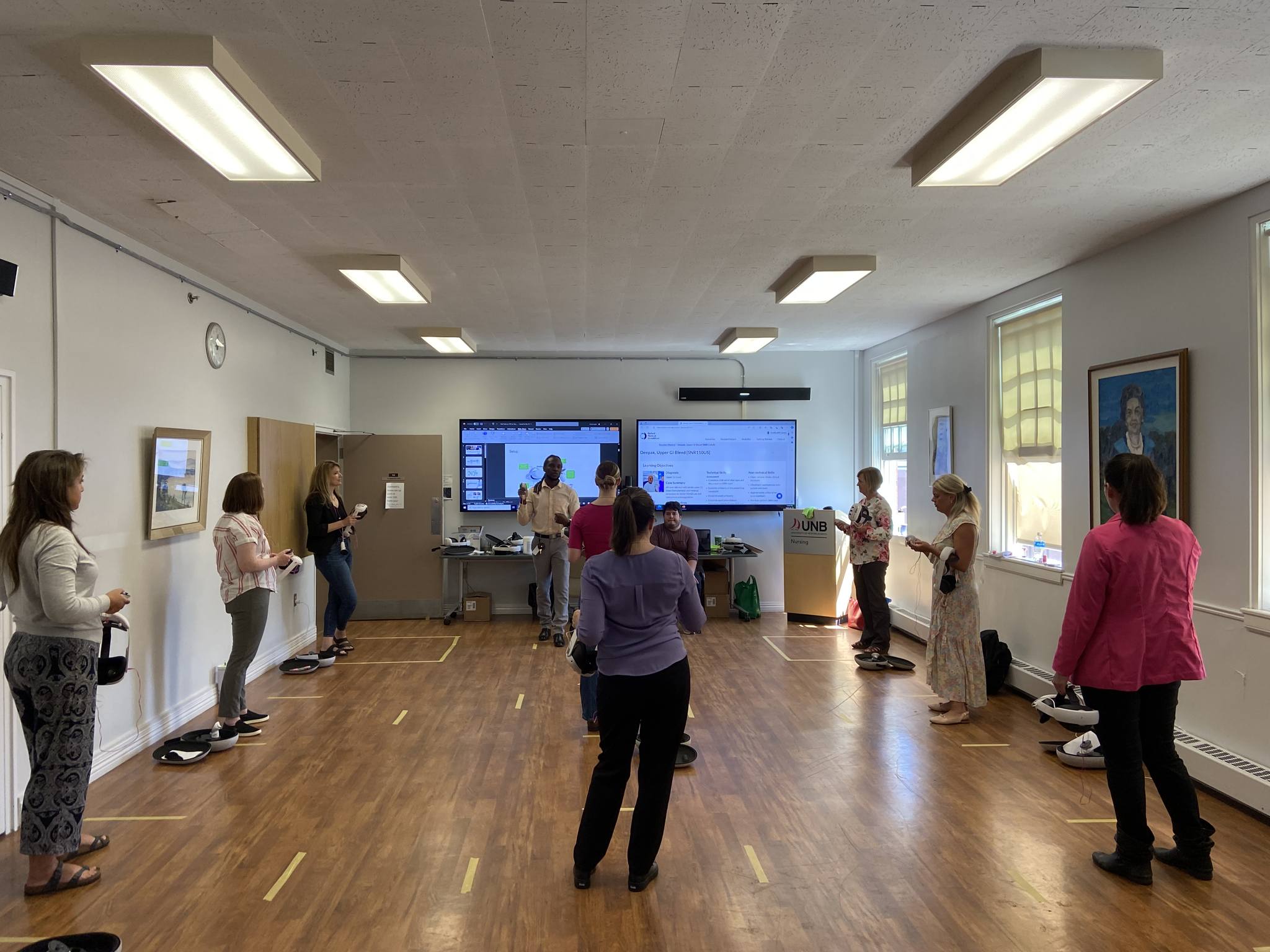
- Access to Dalhousie Medicine NB’s Anatomy & Physiology lab and a state-of-the-art simulation lab at New Brunswick Community College.
- Hands-on learning through practical lab experiences and community-based research.
- Job-shadowing opportunities in various healthcare settings.
- Multidisciplinary teamwork in the fourth-year capstone course to analyze and address real-world health issues.
- Integration of arts, science, and business in the interdisciplinary core curriculum.
Career Options
Graduates of the Bachelor of Health - Biomedical Sciences and Health program can pursue a variety of career paths in Canada, including:
- Biomedical Researcher: Conduct research to understand diseases and develop new treatments.
- Laboratory Technologist: Perform tests and analyses in clinical laboratories to assist in patient diagnosis.
- Community Health Worker: Support community health initiatives and provide education on health issues.
- Health Program Developer: Design and evaluate health programs to improve community health outcomes.
- Medical Doctor: Pursue further studies to become a licensed physician, diagnosing and treating patients.
- Pharmacist: Dispense medications and provide advice on their safe use.
- Dentist: Further education to provide dental care and treatment.
- Social Worker: Help individuals and families navigate health and social services.
- Researcher: Engage in academic or clinical research in health-related fields.
- Teacher: Educate future health professionals in academic settings.
- Lawyer: Specialize in health law or related fields with further education.
- MBA: Pursue a Master of Business Administration to enter health management.
- Graduate Studies: Continue education in Public Health, Health Policy, or related fields.
DISCLAIMER: The information above is subject to change. For the latest updates, please contact LOA Portal's advisors.
Visit University of New Brunswick official website