Last updated on 2026-07-29


Program overview
The Neuroscience specialization at the University of New Brunswick (UNB) offers students a unique opportunity to delve into the complexities of the brain and its impact on behavior. This program is designed for those who are curious about how the brain functions, how it influences actions, and what occurs when it is damaged. As a rapidly evolving field within psychology, neuroscience at UNB equips students with cutting-edge research techniques, including neuroimaging, to explore these critical questions. By enrolling in this specialization, students will not only gain theoretical knowledge but also practical research experience, enhancing their prospects for future employment or further studies in graduate programs or medical school.
Program structure
The Neuroscience specialization at UNB is available through both the Bachelor of Arts and Bachelor of Science degrees, allowing students to choose the path that best fits their academic goals. The program emphasizes hands-on learning and research experience, which is integral to the curriculum. Key features of the program structure include:
- Program Length: Typically spans over four years.
- Optional participation in the ARTS3000 Faculty of Arts internship program, providing real-world experience.
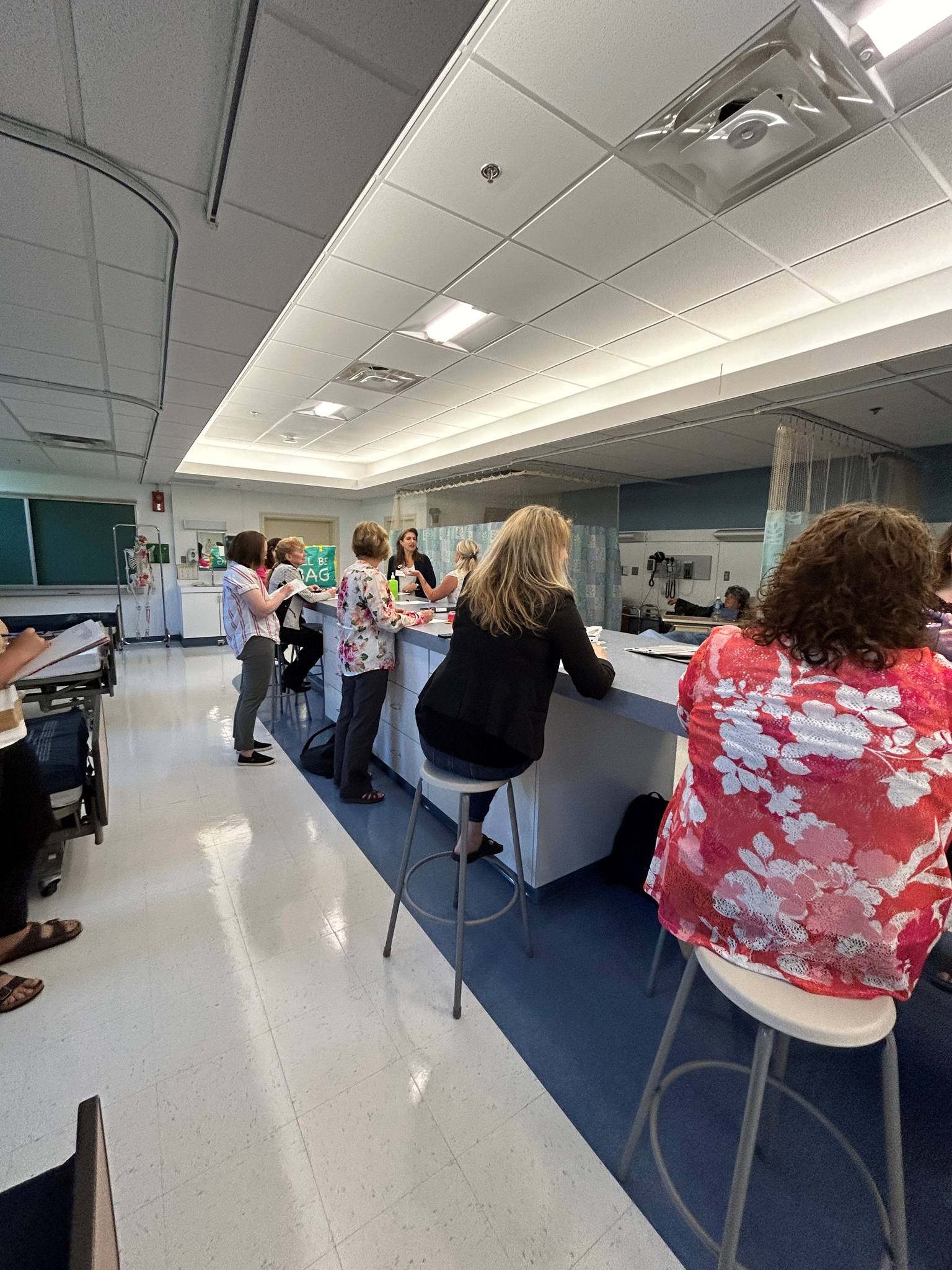
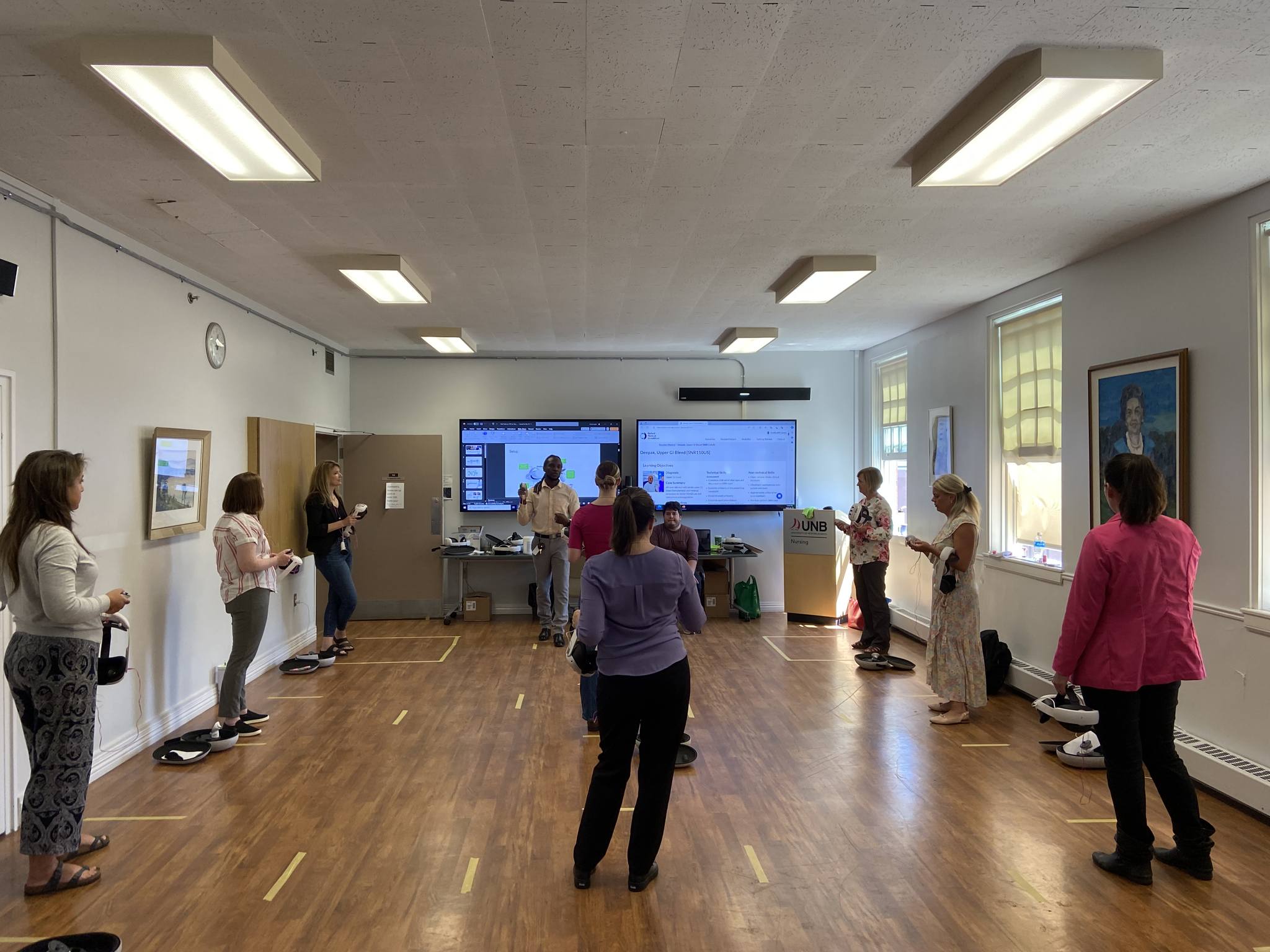
- Experiential learning through laboratory courses, where students can conduct and analyze experiments.
- Research training is a standard component, preparing students for various career paths.
This comprehensive structure ensures that students not only learn theoretical concepts but also apply them in practical settings, making them well-prepared for their future careers.
Featured Experiences
The Neuroscience specialization at UNB offers several unique experiences that enhance the educational journey of students:
- Opportunity to work with specialists in the field, gaining valuable insights and mentorship.
- Hands-on learning through laboratory courses, allowing students to engage in innovative experiments.
- Participation in the ARTS3000 Faculty of Arts internship program, which connects students with professionals in neuroscience.
- Research training that is integrated into the psychology programs, providing a competitive edge in the job market.
These experiences not only enrich the academic curriculum but also prepare students for real-world applications of their knowledge.
Career Options
Graduates of the Neuroscience specialization can pursue a variety of career paths in Canada. Here are some potential job options:
- Researcher: Conducts studies to advance knowledge in neuroscience, working in academic or private research settings.
- Speech Therapist: Assists individuals with communication disorders, requiring additional education and certification.
- Professor: Teaches at the university level, sharing expertise in neuroscience and mentoring students.
- Physician: Provides medical care, specializing in neurology or psychiatry, which requires further education and training.
- Science Writer: Communicates complex scientific concepts to the public through articles, blogs, or educational materials.
These career options highlight the versatility of a degree in neuroscience, equipping graduates with the skills needed to succeed in various fields.
DISCLAIMER: The information above is subject to change. For the latest updates, please contact LOA Portal's advisors.
Visit University of New Brunswick official website