Last updated on 2026-07-29


Program overview
The Bachelor of Science in Engineering – Environmental Engineering program at the University of New Brunswick (UNB) is designed to equip students with the skills necessary to tackle the pressing challenges posed by climate change. This innovative program emphasizes the development of sustainable practices and the integration of ecological protections into engineering solutions. Students will gain a comprehensive understanding of the relationship between industry and the environment, preparing them for impactful careers in various sectors, including water treatment, natural resources, and manufacturing.
Program structure
The Bachelor of Science in Engineering – Environmental Engineering program spans a four-year duration, providing students with a robust foundation in engineering principles and practices. The program is structured to include:
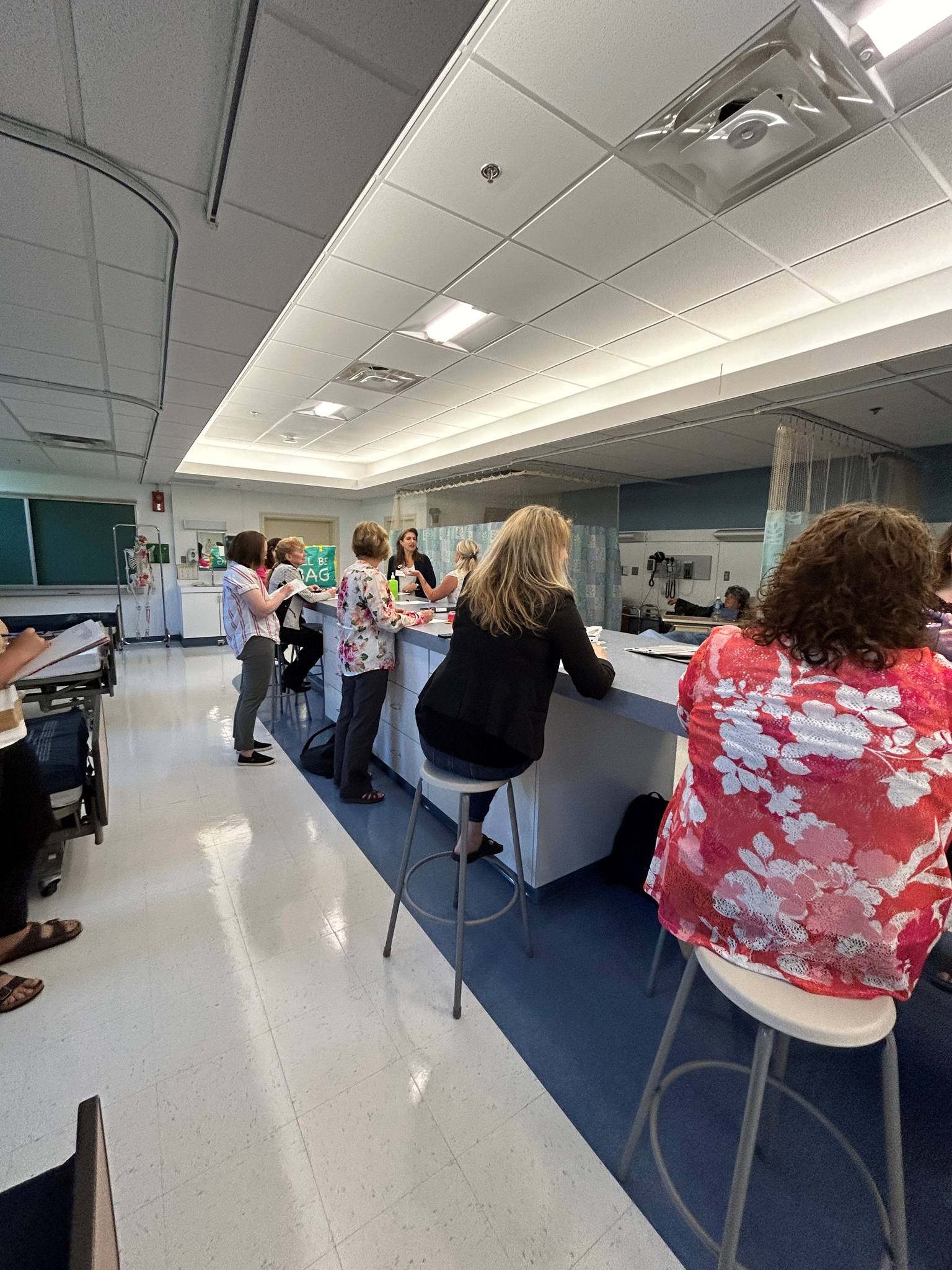
- Hands-on learning experiences that foster practical skills.
- Opportunities to engage in projects that address real-world environmental challenges.
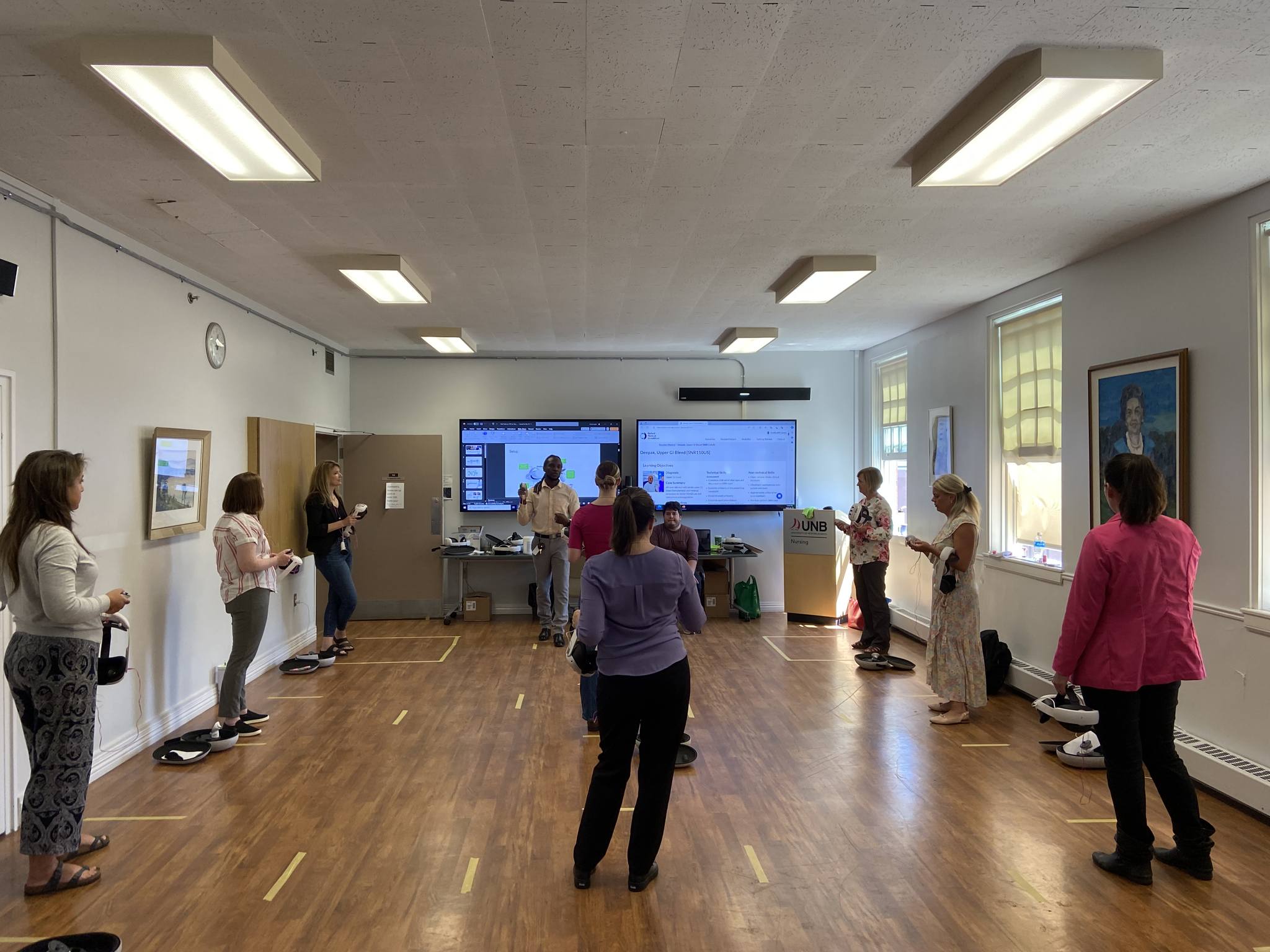
- Access to state-of-the-art facilities and resources.
- Options for experiential learning, such as co-op placements or internships, to enhance employability.
Students will also have the chance to earn a Diploma in Engineering Foundations after completing the first two years of the program, which further solidifies their engineering knowledge and skills.
Featured Experiences
- Co-op placements that provide real-world experience in the field of environmental engineering.
- Hands-on projects that allow students to apply theoretical knowledge to practical situations.
- Access to modern laboratories and research facilities to conduct experiments and develop innovative solutions.
- Collaboration with industry partners to work on projects that have a direct impact on environmental sustainability.
Career Options
- Environmental Consultant: Advises organizations on how to minimize their environmental impact and comply with regulations.
- Water Resource Engineer: Designs systems for water treatment and management to ensure safe and sustainable water supply.
- Sustainability Manager: Develops and implements strategies to promote sustainable practices within organizations.
- Air Quality Engineer: Works on projects to monitor and improve air quality, ensuring compliance with environmental standards.
- Renewable Energy Engineer: Focuses on designing and implementing renewable energy systems to reduce reliance on fossil fuels.
DISCLAIMER: The information above is subject to change. For the latest updates, please contact LOA Portal's advisors.
Visit University of New Brunswick official website