Last updated on 2026-07-29













Program overview
UNB’s Chemical Engineering program offers a comprehensive education that prepares students to transform raw materials into valuable products while prioritizing environmental protection and safety. With a focus on improving efficiency and reducing costs, students will engage in projects that contribute to advancements in areas such as pharmaceuticals, fuel efficiency, and pollution control. The program is designed to equip students with the skills necessary to make a positive impact on the world through innovative engineering solutions.
Program structure
The Bachelor of Science in Engineering with a major in Chemical Engineering at UNB is structured to provide a robust educational experience. The program includes:
- Program Length: Typically spans four years.
- Co-operative Education (Co-op) program for practical experience.
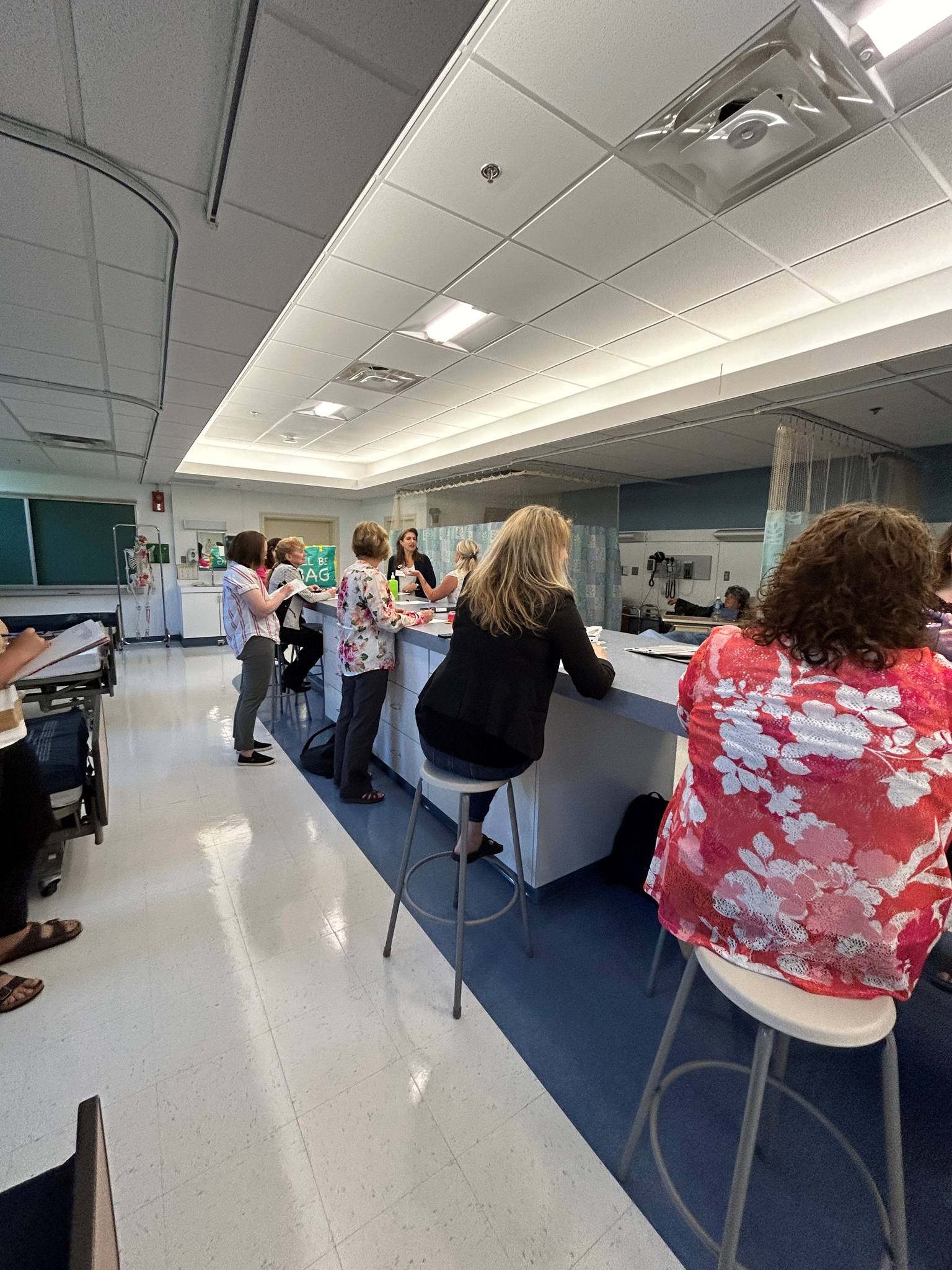
- Laboratory experience to enhance hands-on learning.
- Opportunities to engage in a chemical plant design course/project.
- Technical electives with options in Energy Conversion Engineering and Biomedical Engineering.
Students benefit from small class sizes, fostering greater interaction with instructors and peers, which enhances the learning experience.
Featured Experiences
- Co-operative Education (Co-op) program that provides real-world experience.
- Extensive laboratory experience to apply theoretical knowledge.
- Involvement in a chemical plant design course/project, allowing students to work on practical applications.
- Recognition of students for the quality of their senior design projects on a national level.
- Access to award-winning professors who excel in teaching and research.
Career Options
- Process Engineer: Responsible for designing and optimizing industrial processes to improve efficiency and safety.
- Research and Development Engineer: Focuses on developing new products and technologies in the chemical engineering field.
- Technical Sales Engineer: Works with clients to provide technical support and solutions related to chemical engineering products.
- Environmental Engineer: Specializes in developing solutions to environmental problems, ensuring compliance with regulations.
- Process Safety and Risk Engineer: Evaluates and mitigates risks associated with chemical processes to ensure safety.
- Project Manager: Oversees engineering projects, ensuring they are completed on time and within budget.
- Process Consultant: Provides expert advice on process improvements and efficiency in various industries.
DISCLAIMER: The information above is subject to change. For the latest updates, please contact LOA Portal's advisors.
Visit University of New Brunswick official website