
Last updated on 2026-09-08













Program Overview
The Bachelor of Science with Major in Cell Biology at the University of Alberta offers a comprehensive study of cells, the fundamental units of life. This program integrates various life sciences, focusing on how cells function through courses in protein function, gene expression, and developmental biology. It prepares students for diverse pathways, including entering the workforce, pursuing graduate studies, or enrolling in professional programs such as medicine. Additionally, students have the option to pursue a BSc Honors degree, enhancing their academic experience and opportunities.
Program Structure
The Bachelor of Science with Major in Cell Biology is designed to be flexible and customizable, allowing students to tailor their education to their interests. The program structure includes:
- Program Length: Typically spans four years.
- Opportunity to choose an optional minor or double major from over 60 subjects.
- Students can opt for a broad curriculum or focus on a specific discipline.
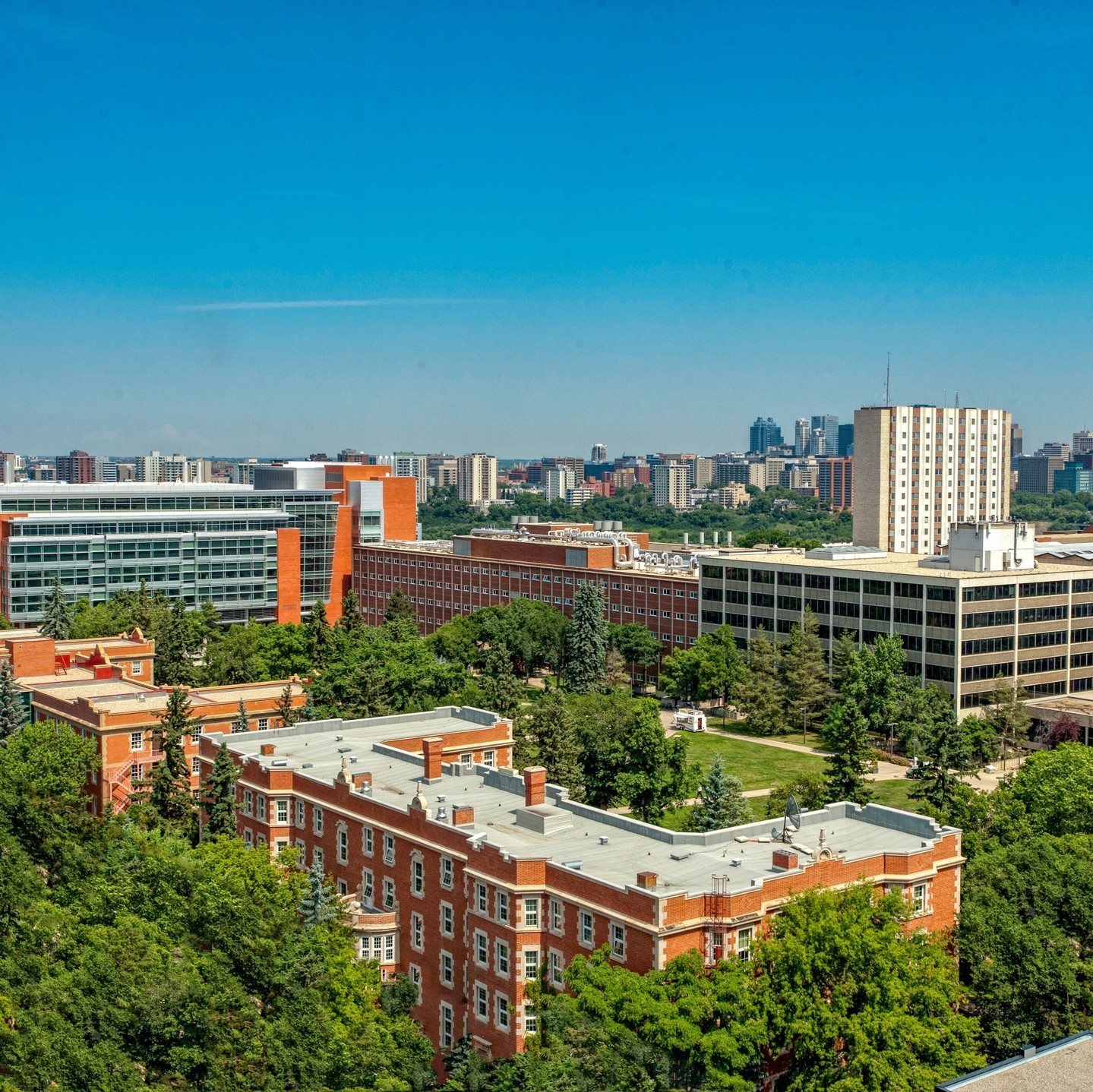
- Access to state-of-the-art teaching and learning facilities.
- Engagement in undergraduate research opportunities.
This structure not only provides a solid foundation in cell biology but also encourages interdisciplinary learning and exploration.
Featured Experiences
The Bachelor of Science with Major in Cell Biology program offers several unique experiences that enhance learning and practical application:
- Hands-on laboratory work to apply theoretical knowledge.
- Opportunities for undergraduate research projects under the guidance of leading researchers.
- Potential for co-op placements or internships to gain real-world experience.
- Access to joint partner programs that may provide additional learning opportunities.
These experiences are designed to enrich the educational journey and prepare students for future careers in the field.
Career Options
Graduates of the Bachelor of Science with Major in Cell Biology can pursue a variety of career paths in Canada, including:
- Biological Technician: Assists in biological and medical science experiments, collecting data and analyzing results.
- Biologist: Studies living organisms and their relationship to the environment, conducting research and experiments.
- Biotechnologist: Works with biological systems and organisms to develop products and technologies for various industries.
- Cancer Researcher: Investigates cancer biology to develop new treatments and therapies.
- Cytologist: Specializes in the study of cells, including their structure, function, and abnormalities.
- Forensic Laboratory Analyst: Analyzes biological samples for criminal investigations, providing critical evidence.
- Geneticist: Studies genes and heredity, working on genetic research and applications.
- Laboratory Technician: Conducts tests and experiments in laboratories, supporting scientific research.
- Medical Librarian: Manages medical information resources and assists healthcare professionals in research.
- Microbiologist: Studies microorganisms, their impact on humans, animals, plants, and the environment.
These career options reflect the diverse opportunities available to graduates, equipping them with the skills needed to succeed in various scientific fields.
DISCLAIMER: The information above is subject to change. For the latest updates, please contact LOA Portal's advisors.
Visit University of Alberta official website