Last updated on 2026-09-08








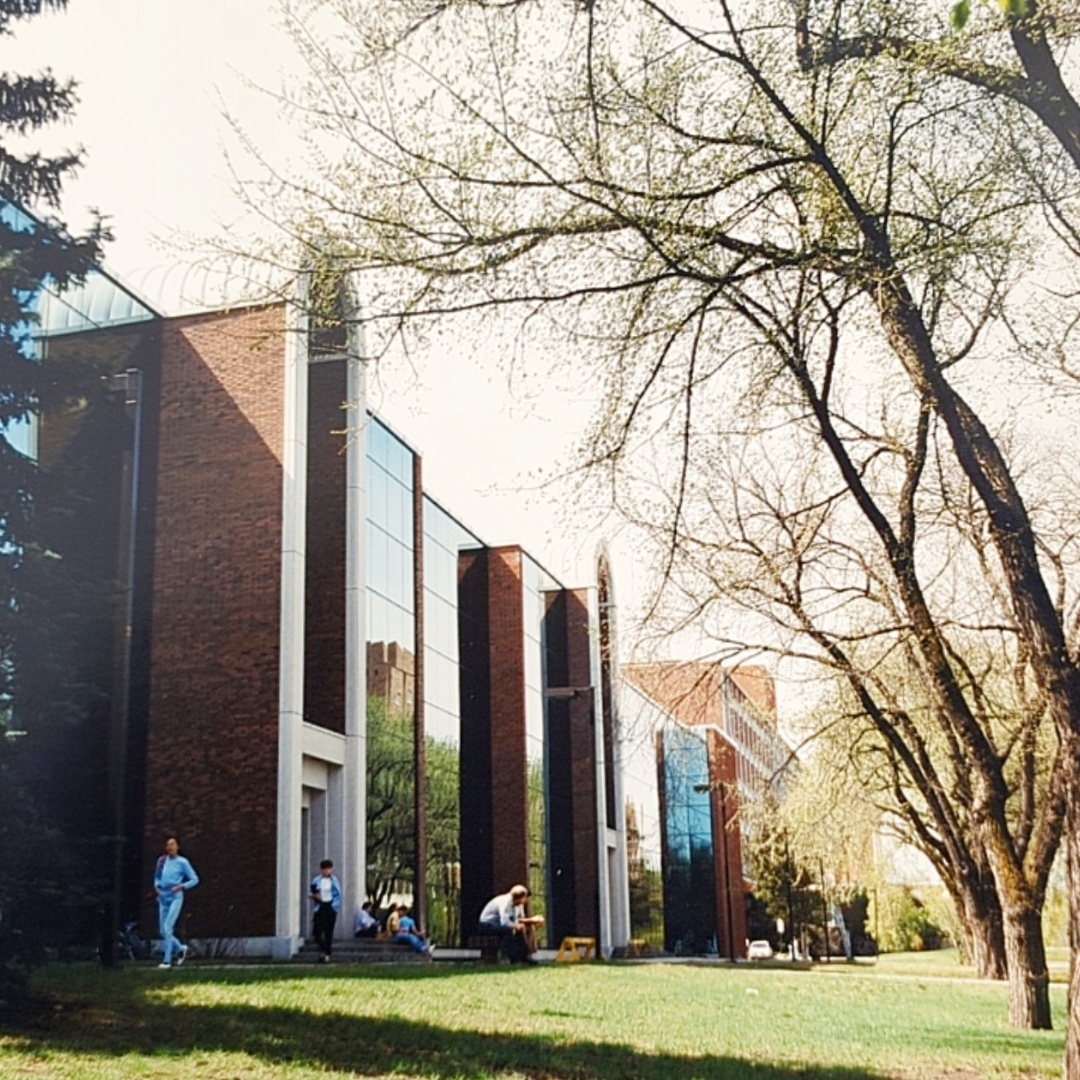

Program Overview
The Bachelor of Science in Environmental and Conservation Sciences with a focus on Conservation Biology at the University of Alberta is designed to equip students with the knowledge and skills necessary to address pressing environmental issues. This program emphasizes the application of biology, ecology, social science, economics, and statistics to the conservation of species and landscapes. Students will learn to manage ecosystems and protect endangered species, ultimately promoting ecological well-being for the benefit of all.
Program Structure
The Bachelor of Science in Environmental and Conservation Sciences program is structured to provide a comprehensive education in environmental science over a period of four years. The program includes:
- A 10-day field school that offers hands-on experience in real-world environmental settings.
- A project-based capstone course that allows students to apply their learning to practical challenges.
- Interdisciplinary learning opportunities that integrate various fields of study.
This program is designed to prepare students for a variety of careers in environmental science, ensuring they are well-equipped to tackle the challenges of land degradation, water pollution, and biodiversity loss.
Featured Experiences
- Field School: A unique 10-day field school experience that immerses students in practical environmental work.
- Capstone Course: A project-based course that allows students to engage in real-world problem-solving.
- Interdisciplinary Approach: The program combines various disciplines, providing a well-rounded education.
- Experiential Learning: Opportunities to apply theoretical knowledge in practical settings, enhancing learning outcomes.
Career Options
Graduates of the Bachelor of Science in Environmental and Conservation Sciences can pursue a variety of career paths in Canada, including:
- Conservation Biologist: Focuses on the protection and management of biodiversity and natural resources.
- Ecologist: Studies ecosystems and the relationships between organisms and their environment.
- Environmental Consultant: Provides expert advice on environmental best practices and compliance.
- Wildlife Biologist: Researches and manages wildlife populations and their habitats.
- Sustainability Coordinator: Develops and implements sustainability initiatives within organizations.
These roles are essential for addressing environmental challenges and promoting sustainable practices across various sectors.
DISCLAIMER: The information above is subject to change. For the latest updates, please contact LOA Portal's advisors.
Visit University of Alberta official website