Last updated on 2025-12-05


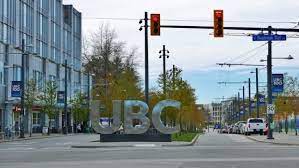
Program Overview
The Bachelor of Arts in Gender, Race, Sexuality, and Social Justice at the University of British Columbia is designed to provide students with an interdisciplinary understanding of both global and local social justice issues. This program integrates research and theories from various fields, including social sciences, humanities, science, education, and law. Students will explore critical topics such as critical race theory, ethnic studies, indigenous studies, media studies, and feminist politics, among others. This comprehensive approach equips graduates with the knowledge and skills necessary to engage with complex social justice challenges.
Program Structure
The Bachelor of Arts in Gender, Race, Sexuality, and Social Justice is structured to be completed in 4 years. The program offers a flexible curriculum that allows students to tailor their studies according to their interests and career goals. Key features of the program include:
- Co-op Option: Students have the opportunity to combine their academic studies with full-time, paid work experiences at leading local and international organizations.
- Interdisciplinary Approach: The program draws upon various traditional disciplines, ensuring a well-rounded educational experience.
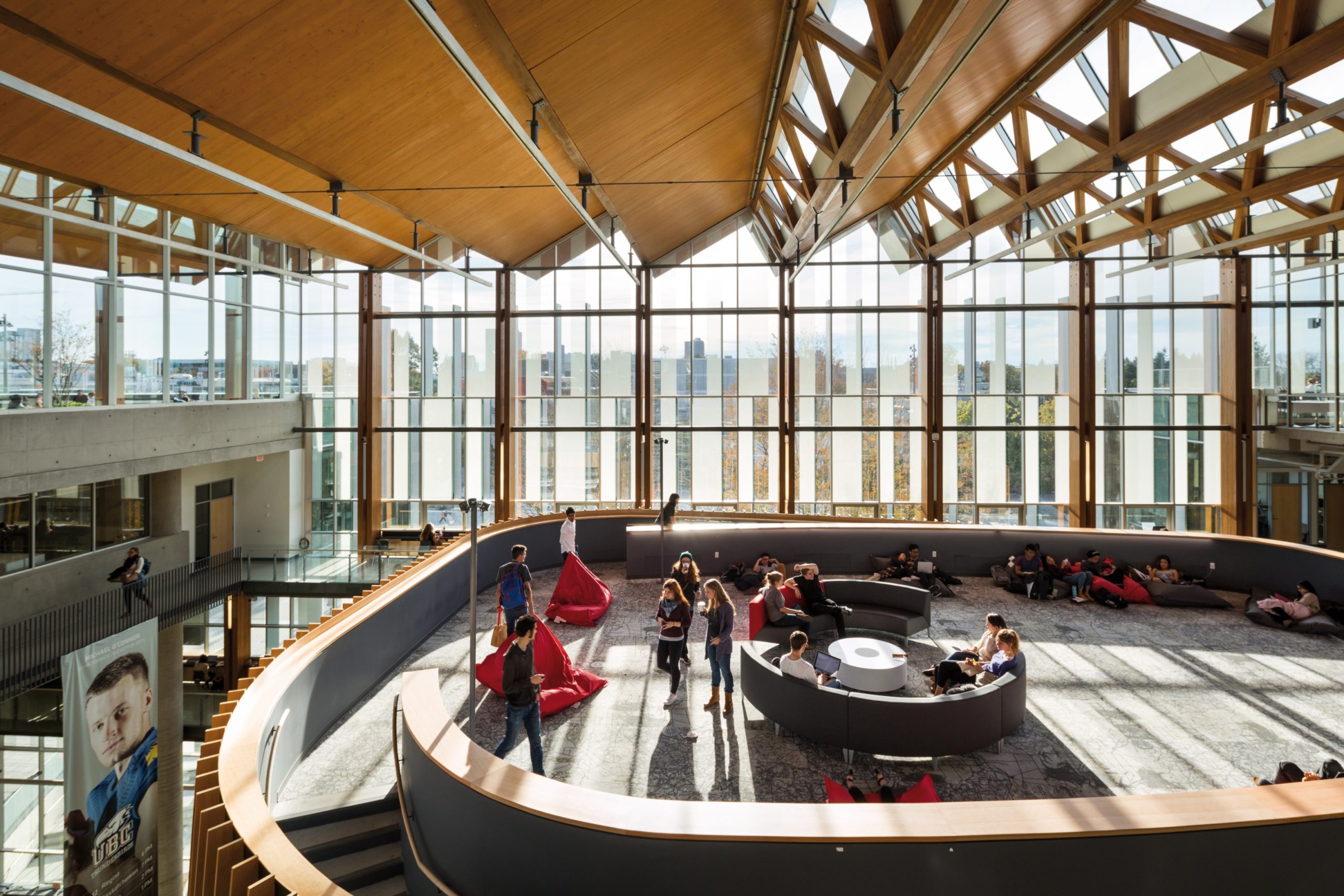
- Supportive Learning Environment: The Institute for Gender, Race, Sexuality and Social Justice fosters an open atmosphere for learning, with over 90 qualified faculty members from diverse backgrounds.
This structure not only enhances academic learning but also prepares students for real-world applications of their knowledge.
Featured Experiences
The Bachelor of Arts in Gender, Race, Sexuality, and Social Justice offers several unique experiences that enrich the educational journey:
- Co-op Programs: Students can engage in practical work experiences that complement their academic studies.
- Research Opportunities: The program encourages students to participate in innovative scholarly work in theory and research.
- Community Engagement: Students may have the chance to connect with community organizations through practicum courses, applying their learning in real-world contexts.
- Interdisciplinary Learning: The program incorporates various methodologies and perspectives, enhancing critical thinking and analytical skills.
These experiences are designed to provide students with a comprehensive understanding of social justice issues and prepare them for future careers.
Career Options
Graduates of the Bachelor of Arts in Gender, Race, Sexuality, and Social Justice can pursue a wide range of career opportunities in Canada. Some potential job roles include:
- Charitable Organization Director: Oversee operations and programs of non-profit organizations focused on social justice issues.
- Child and Youth Worker: Support and advocate for children and youth in various settings, addressing their social and emotional needs.
- Communications Manager: Develop and implement communication strategies for organizations, particularly those focused on social justice and advocacy.
- Diversity Consultant: Advise organizations on best practices for promoting diversity and inclusion within their workforce.
- Policy Advisor: Work with government or non-profit organizations to develop and analyze policies related to social justice, human rights, and community development.
These career paths reflect the diverse skills and knowledge that graduates acquire throughout their studies, enabling them to make meaningful contributions to society.
DISCLAIMER: The information above is subject to change. For the latest updates, please contact LOA Portal's advisors.
Visit UBC - The University of British Columbia official website