Last updated on 2026-10-06








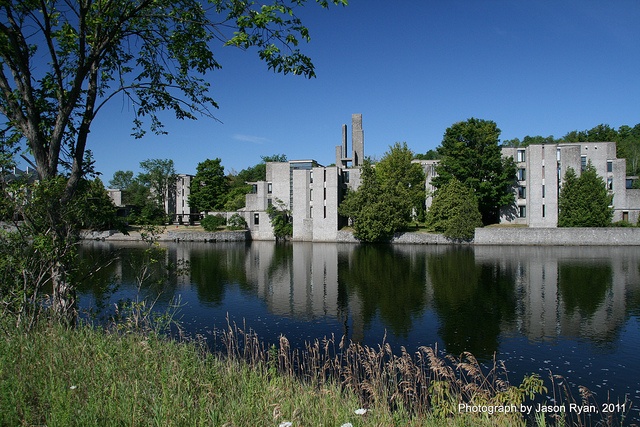
Program Overview
The Bachelor of Science in Indigenous Environmental Science (Honours) at Trent University is designed to provide students with a comprehensive understanding of environmental issues through an Indigenous lens. This program emphasizes the importance of Indigenous knowledge systems and practices in addressing contemporary environmental challenges. Students will engage in a transformative educational experience that prepares them for meaningful careers in environmental science, policy, and advocacy.
Program Structure
The Bachelor of Science in Indigenous Environmental Science (Honours) is structured to provide a robust academic foundation in environmental science while integrating Indigenous perspectives. Key details of the program include:
- Program Length: Typically completed in four years.
- Credits: The program requires a total of 120 credits for graduation.
- Options: Students may have opportunities for co-op placements or internships to gain practical experience in the field.
This program is designed to foster critical thinking and problem-solving skills, equipping students with the tools necessary to address complex environmental issues. The integration of Indigenous knowledge is a unique aspect that enhances the learning experience.
Featured Experiences
- Co-op opportunities that allow students to gain hands-on experience in environmental science.
- Field experiences that provide practical learning in natural settings.
- Joint partner programs with Indigenous communities to promote collaborative learning and research.
- Access to specialized labs and research facilities focused on environmental science.
Career Options
Graduates of the Bachelor of Science in Indigenous Environmental Science (Honours) can pursue a variety of career paths in Canada, including:
- Environmental Consultant: Advises organizations on environmental best practices and compliance with regulations.
- Conservation Officer: Works to protect wildlife and natural resources through enforcement of laws and regulations.
- Policy Analyst: Analyzes and develops policies related to environmental issues, often working with government agencies.
- Research Scientist: Conducts research on environmental topics, contributing to scientific knowledge and solutions.
- Community Outreach Coordinator: Engages with communities to promote environmental awareness and sustainability initiatives.
This program prepares students for impactful careers that contribute to the well-being of both the environment and Indigenous communities. The unique combination of scientific knowledge and Indigenous perspectives makes graduates highly sought after in various sectors.
DISCLAIMER: The information above is subject to change. For the latest updates, please contact LOA Portal's advisors.
Visit Trent University official website