Last updated on 2026-10-06


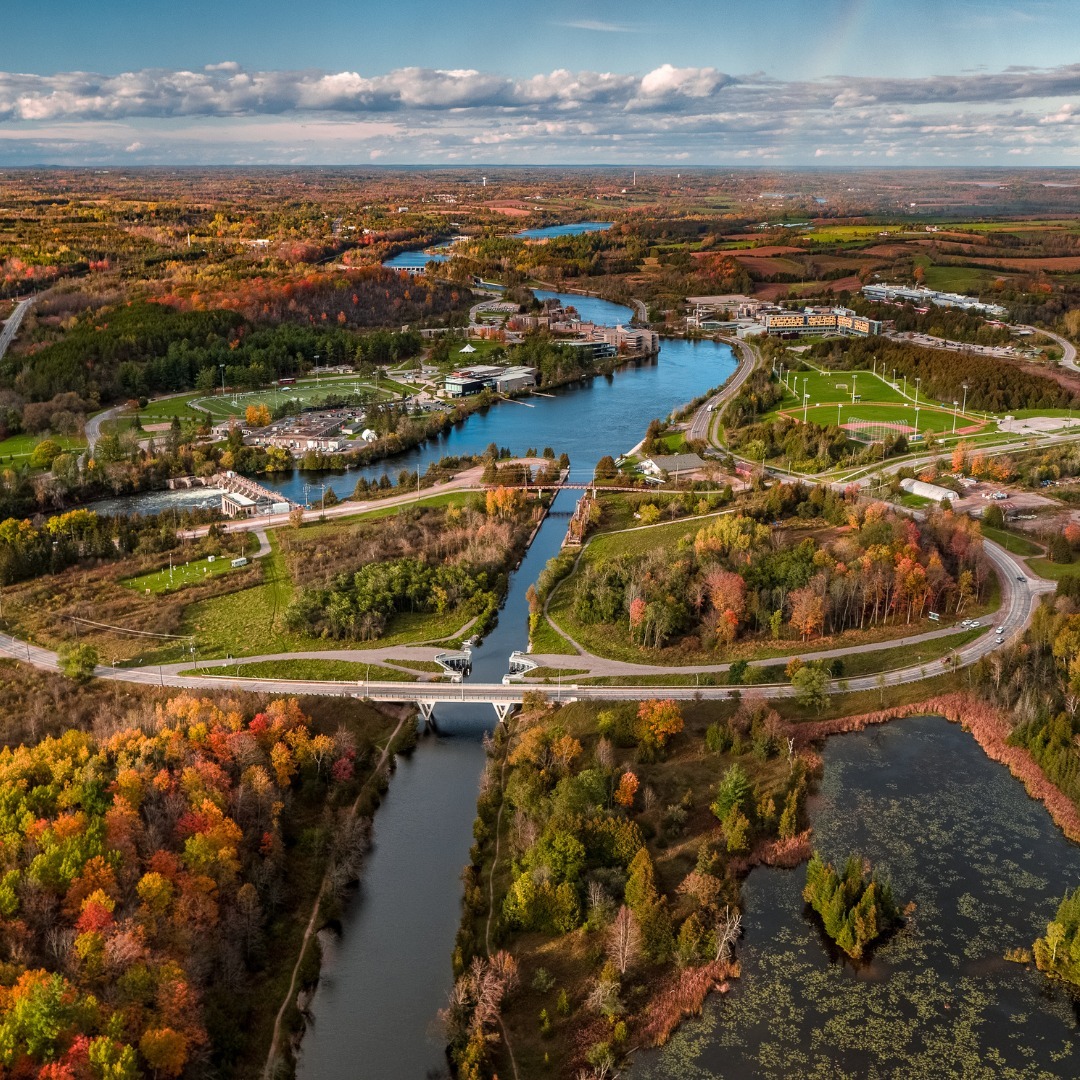
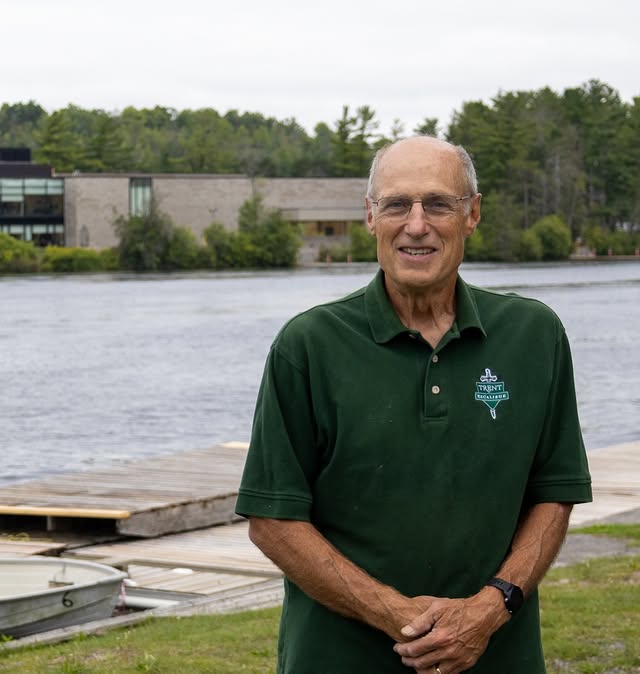
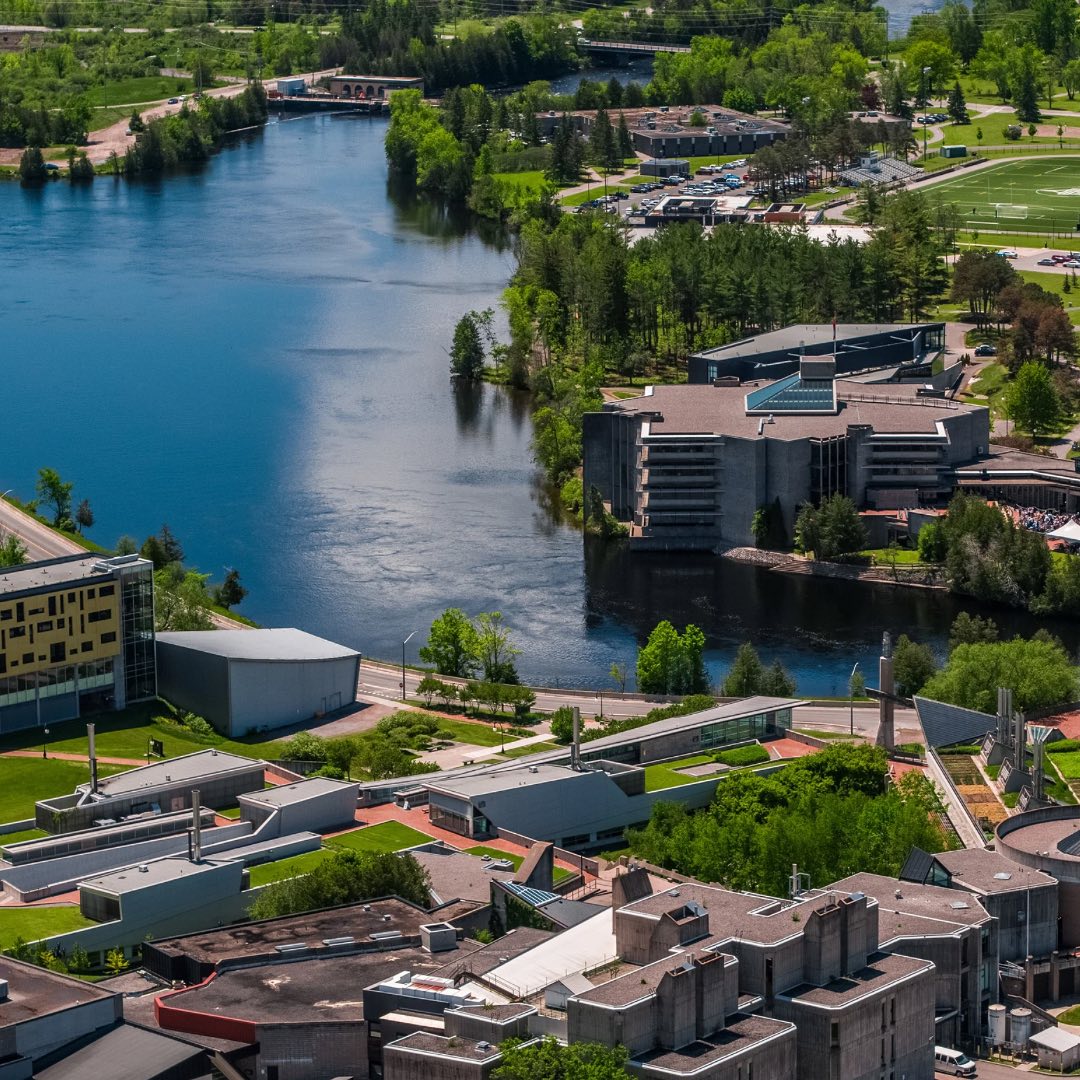
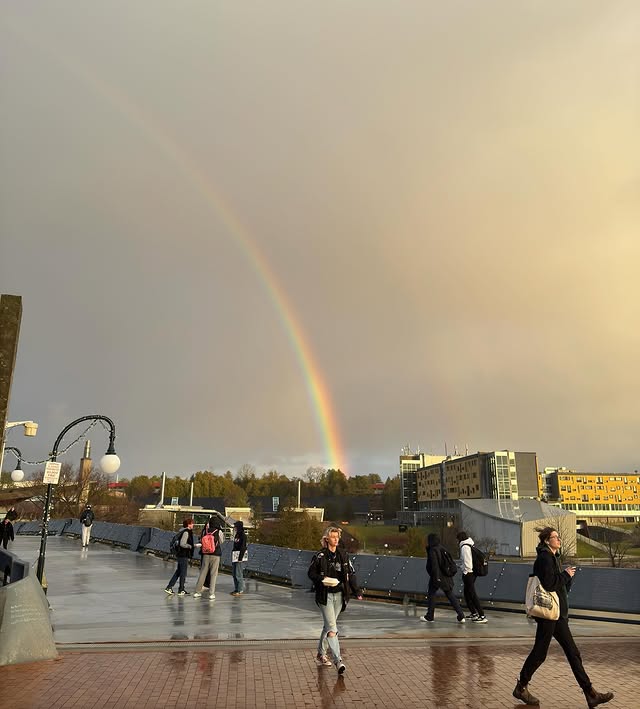

Program Overview
The Bachelor of Science in Environmental Geoscience (Honours) at Trent University is designed to provide students with a comprehensive understanding of the Earth's processes and the impact of human activity on the environment. This program emphasizes critical thinking and problem-solving skills, preparing graduates for a variety of careers in environmental science and geoscience. Students will engage in hands-on learning experiences that enhance their academic journey and foster a deep appreciation for the natural world.
Program Structure
The Bachelor of Science in Environmental Geoscience (Honours) is structured to provide a robust educational foundation in the field. Key details of the program include:
- Program Length: Typically completed in four years.
- Credits: The program requires a total of 120 credits for graduation.
- Options: Students may have opportunities for co-op placements or internships to gain practical experience in the field.
This program is designed to be flexible, allowing students to tailor their studies to their interests and career goals while ensuring a comprehensive understanding of environmental geoscience.
Featured Experiences
- Hands-on laboratory work to apply theoretical knowledge in practical settings.
- Field experiences that provide real-world applications of geoscience concepts.
- Opportunities for co-op placements to gain valuable industry experience.
- Access to state-of-the-art research facilities and resources.
- Collaboration with industry partners for joint projects and research initiatives.
Career Options
Graduates of the Bachelor of Science in Environmental Geoscience (Honours) can pursue a variety of career paths in Canada, including:
- Environmental Consultant: Advises organizations on environmental best practices and compliance with regulations.
- Geoscientist: Studies the Earth's materials, processes, and history to inform resource management and environmental protection.
- Hydrologist: Focuses on water resources, studying the distribution, movement, and properties of water in the environment.
- Environmental Scientist: Conducts research and analysis to address environmental issues and develop sustainable solutions.
- Geotechnical Engineer: Works on the design and construction of foundations, slopes, and other structures, considering soil and rock behavior.
DISCLAIMER: The information above is subject to change. For the latest updates, please contact LOA Portal's advisors.
Visit Trent University official website