Last updated on 2026-04-16

Program Overview
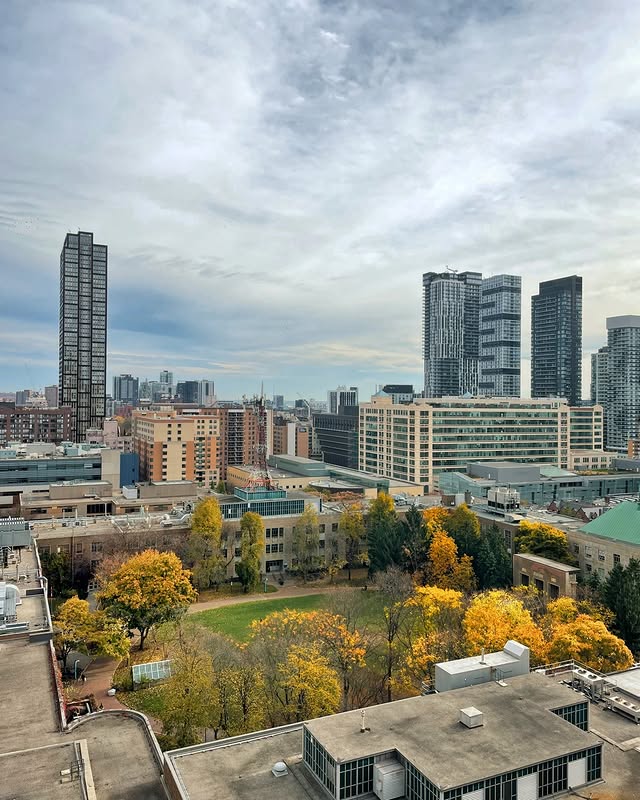
At North America’s largest and oldest planning degree program, the Bachelor of Urban and Regional Planning offers students a unique opportunity to learn how to create and implement plans that develop regional, urban, and rural communities. This program emphasizes project-based studios, allowing students to engage in hands-on learning experiences that prepare them for real-world challenges in urban planning. Graduates will be equipped with the skills necessary to understand community needs and advise on various planning decisions, including social, economic, environmental, cultural, land development, and transportation issues.
Program Structure
The Bachelor of Urban and Regional Planning program is designed to provide a comprehensive education in urban planning over a 4-year full-time format. Students can also opt for a 2-year Post-Baccalaureate or a 2-year Degree Completion program, catering to different educational backgrounds. The program includes:
- Experiential learning opportunities through optional field placements.
- Project-based studios that foster collaborative learning and practical application of planning concepts.
- International exchange programs for a global perspective on urban planning.
- Field trips that enhance learning through real-world exposure.
Students will develop applied research and analysis skills, preparing them for a successful career in urban and regional planning.
Featured Experiences
The Bachelor of Urban and Regional Planning program offers several unique features that enhance the learning experience:
- Project-based studios that allow students to work on real-life planning projects.
- Optional field placements to gain practical experience in the field.
- International exchange programs to broaden students' understanding of global planning practices.
- Week-long field trips that provide hands-on learning opportunities and exposure to various planning environments.
- Collaboration with faculty members who are active professionals in the field, providing insights into real-world applications of planning theories.
Career Options
Graduates of the Bachelor of Urban and Regional Planning program can pursue a variety of career paths in Canada, including:
- Environmental Planner: Focuses on creating plans that promote sustainable land use and environmental protection.
- Land Developer: Works on projects that involve the development of residential, commercial, or industrial properties.
- Sustainability Consultant: Advises organizations on how to implement sustainable practices in their operations and planning.
- Transportation Planner: Specializes in developing transportation systems that meet the needs of communities while considering environmental impacts.
- Urban Planner: Engages in the planning and development of urban areas, ensuring they meet the needs of residents and businesses.
These career options reflect the diverse opportunities available to graduates, allowing them to make a significant impact on communities across Canada.
DISCLAIMER: The information above is subject to change. For the latest updates, please contact LOA Portal's advisors.
Visit TMU - Toronto Metropolitan University official website