Last updated on 2026-05-22



Program overview
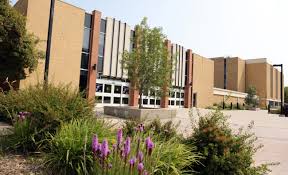
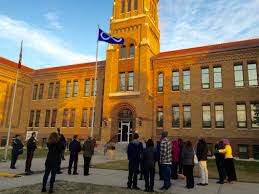
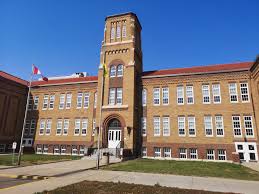
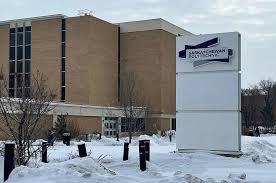
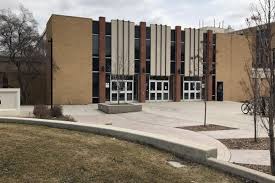
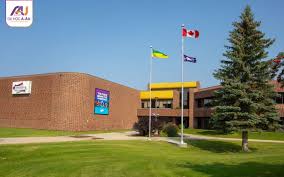
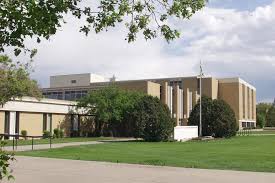
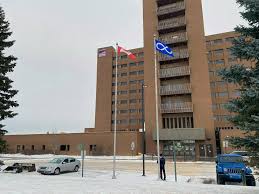
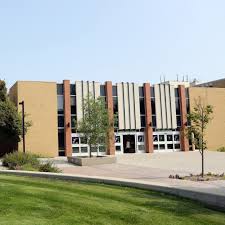
The Civil Engineering Technologies program at Saskatchewan Polytechnic offers two distinct options: Civil Construction and Water Resources. This 27-month diploma program is designed for full-time students and is delivered at the Moose Jaw Campus. It consists of five academic semesters complemented by two four-month consecutive Co-operative Education work terms. Students will gain practical skills and knowledge essential for careers in civil engineering technologies, focusing on both construction and water resource management.
Program structure
The Civil Engineering Technologies program is structured to provide a comprehensive education over a period of 76 weeks. The program includes:
- Five academic semesters
- Two mandatory four-month paid Co-operative Education work terms
- Common first two semesters for both options
- Specialization in either Construction or Water Resources after the second semester
Students will engage in hands-on learning through labs, field assignments, and practical projects. The program emphasizes the development of essential skills in areas such as surveying, project management, and materials analysis. The learning environment is designed to foster collaboration, with students expected to manage their time effectively and participate in group projects.
Featured Experiences
The Civil Engineering Technologies program offers several unique experiences that enhance learning:
- Two mandatory paid Co-operative Education work terms, allowing students to earn while they learn.
- Hands-on learning opportunities through field and survey camps.
- Practical assignments that involve applied research and real-world projects.
- Access to state-of-the-art laboratories for practical training.
- Collaboration with industry partners for project work.
Career Options
Graduates of the Civil Engineering Technologies program can pursue a variety of career paths in Canada, including:
- Civil Engineering Design Technologist: Involved in designing and planning civil engineering projects, ensuring compliance with regulations.
- Traffic Technologist: Specializes in traffic management and transportation systems, analyzing data to improve safety and efficiency.
- Construction Estimator: Prepares cost estimates for construction projects, assessing materials, labor, and time requirements.
- Building Inspector: Responsible for inspecting buildings to ensure they meet safety codes and regulations.
- Environmental Protection Officer: Works to ensure compliance with environmental regulations, conducting assessments and inspections.
- Hydrology Technician: Focuses on water resource management, analyzing hydrological data to support sustainable practices.
DISCLAIMER: The information above is subject to change. For the latest updates, please contact LOA Portal's advisors.
Visit Saskatchewan Polytechnic official website