Last updated on 2026-05-12
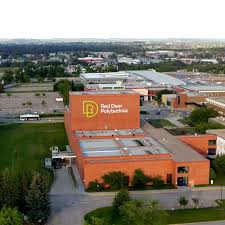

Program Overview
The Advanced Accounting Diploma offers a fast-track path to becoming a Chartered Professional Accountant (CPA). This program is designed for individuals who already possess a degree and are looking to enhance their accounting skills. With a focus on practical skills and flexible options, students will be well-prepared to succeed in the accounting field. The program is available for both full-time and part-time students, and it includes opportunities for co-op placements, allowing students to gain valuable work experience while studying.
Program Structure
The Advanced Accounting Diploma is structured to be completed in a 2-year timeframe. Here are some key features of the program:
- Full-time and part-time study options available.
- Blended learning format with both on-campus and online classes.
- Co-op specialization available for students seeking practical work experience.
- Work-Integrated Learning (WIL) opportunities to apply classroom knowledge in real-world settings.
- Classes primarily held in person at RDP, with some online options.
Students can also opt for the WIL 2100 course, which requires a minimum of 30 credits completed and good academic standing. This course provides additional work placement experience, enhancing the learning journey.
Featured Experiences
- Co-op specialization that allows students to gain hands-on experience in the accounting field.
- Work-Integrated Learning (WIL) opportunities to apply theoretical knowledge in practical settings.
- Networking opportunities with industry professionals during co-op placements.
- Classes designed to be fast-paced and intensive, preparing students for the demands of the accounting profession.
- Potential travel within central Alberta for co-op work experience.
Career Options
Graduates of the Advanced Accounting Diploma can pursue a variety of career paths in Canada, including:
- Chartered Professional Accountant (CPA): Responsible for financial reporting, tax planning, and auditing for businesses and individuals.
- Financial Accountant: Manages financial records, prepares financial statements, and ensures compliance with regulations.
- Project Accountant: Oversees financial aspects of specific projects, ensuring budgets are adhered to and financial reporting is accurate.
- Property Accountant: Manages financial records related to real estate properties, including rent collection and expense tracking.
- Tax Analyst: Specializes in tax compliance and planning, helping clients minimize tax liabilities and navigate tax regulations.
- Auditor: Conducts audits to assess financial statements and ensure accuracy and compliance with accounting standards.
DISCLAIMER: The information above is subject to change. For the latest updates, please contact LOA Portal's advisors.
Visit Red Deer Polytechnic official website