








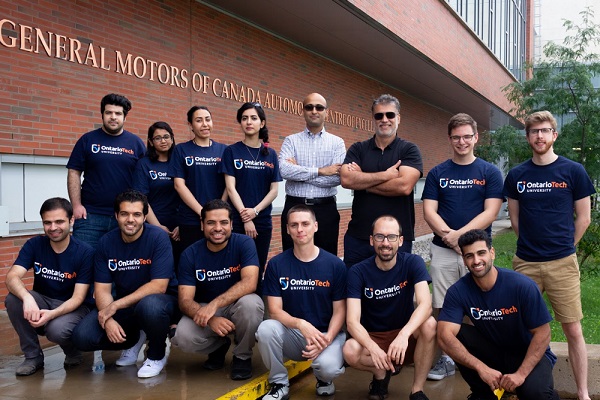



Program overview
The Master's programs in Electrical and Computer Engineering at Ontario Tech University provide students with the opportunity to explore all major areas related to electrical, computer, and software systems engineering. This includes a comprehensive curriculum that covers essential disciplines such as electronics, intelligent systems, communications, control, biomedical applications, power electronics, power generation, software engineering, mobile systems, and embedded software systems. Graduates are well-prepared for careers in high-demand sectors, ensuring they are equipped with the skills necessary to thrive in a rapidly evolving technological landscape.
Program structure
The Master of Engineering (MEng) program in Electrical and Computer Engineering is designed to be completed in 16 months of full-time study. The program offers flexibility with options for both course-based and project-based formats. Key features of the program structure include:
- Full-time and part-time study options available.
- Course-based option requires completion of 10 courses.
- Project-based option requires completion of 8 courses and a project.
- Core courses are mandatory for all students in the MEng program.
- Students may transfer from the course-based to the project-based option after one term, subject to faculty approval.
Students can expect a rigorous academic experience that prepares them for advanced engineering roles in various industries.
Featured Experiences
The Electrical and Computer Engineering program offers several unique experiences that enhance learning and professional development:
- Co-op opportunities that allow students to gain practical experience in the industry.
- Access to state-of-the-art laboratories for hands-on learning.
- Field experiences that provide real-world applications of theoretical knowledge.
- Joint partner programs that may offer collaborative projects with industry leaders.
- Research opportunities in cutting-edge areas such as smart grids, machine intelligence, and renewable energy systems.
These experiences are designed to enrich the educational journey and prepare students for successful careers in engineering.
Career Options
Graduates of the Master of Engineering in Electrical and Computer Engineering can pursue a variety of career paths in Canada, including:
- Electrical Engineer: Design and develop electrical systems and components for various applications.
- Software Engineer: Create and maintain software solutions for embedded systems and applications.
- Systems Engineer: Oversee the integration of complex systems and ensure they function effectively together.
- Control Systems Engineer: Develop and implement control systems for automation and process control.
- Research and Development Engineer: Engage in innovative projects to advance technology in electrical and computer engineering.
These roles are critical in industries such as telecommunications, automotive, aerospace, and renewable energy, reflecting the diverse opportunities available to graduates.
DISCLAIMER: The information above is subject to change. For the latest updates, please contact LOA Portal's advisors.
Visit Ontario Tech University official website