








Program overview
The Master's programs in Mechanical Engineering at Ontario Tech University provide students with the opportunity to explore a wide range of topics within the field. Students can choose to focus on specific areas such as Design, Energy and Thermofluids Engineering, or Mechatronics and Manufacturing Engineering. The programs are designed to prepare graduates for careers in research, development, and advanced engineering, equipping them with the necessary skills to meet the demands of the industry. With a blend of theoretical knowledge and practical application, students will be well-prepared to tackle complex engineering challenges.
Program structure
The Master's programs in Mechanical Engineering offer two distinct pathways: the Master of Applied Science (MASc) and the Master of Engineering (MEng). The program structure is as follows:
- Program Length:
- MASc: 24 months based on full-time study
- MEng: 16 months based on full-time study
- Program Load: Full-time and part-time options available
- Program Format:
- MASc: Courses with a research thesis
- MEng: Course-based or courses with a major project
Students can choose to cover various facets of mechanical engineering, including robotics, automation, and thermofluids. The program also allows for interdisciplinary exploration, enabling students to engage with related fields such as electrical and software engineering.
Featured Experiences
The Master's programs in Mechanical Engineering offer several unique features and experiences that enhance the learning journey:
- Co-op Opportunities: Students may have access to co-op placements that provide real-world experience in the engineering field.
- Research Projects: The MEng program includes a project component, allowing students to apply their knowledge to practical challenges.
- Interdisciplinary Learning: Opportunities to collaborate with other engineering disciplines, fostering a comprehensive understanding of complex engineering problems.
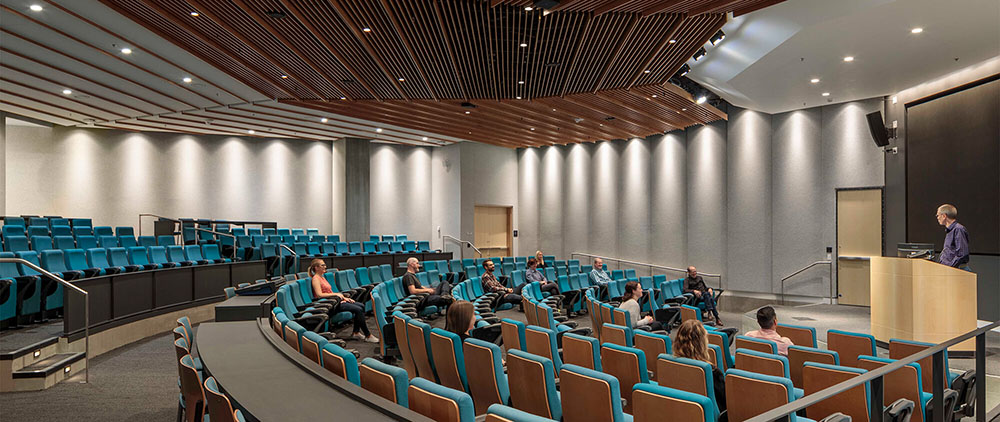
- Hands-on Learning: Access to state-of-the-art laboratories and facilities for practical experimentation and research.
- Networking Opportunities: Engage with industry professionals and alumni through various events and seminars.
Career Options
Graduates of the Master's programs in Mechanical Engineering can pursue a variety of career paths in Canada, including:
- Mechanical Engineer: Design and develop mechanical systems and devices, ensuring they meet required specifications and standards.
- Research and Development Engineer: Conduct research to innovate and improve existing technologies, often working in laboratories or research facilities.
- Project Engineer: Oversee engineering projects from conception to completion, ensuring they are delivered on time and within budget.
- Manufacturing Engineer: Focus on the design and optimization of manufacturing processes, improving efficiency and product quality.
- Energy Engineer: Work on projects related to energy efficiency, renewable energy systems, and thermofluids, contributing to sustainable practices.
These roles not only leverage the technical skills acquired during the program but also emphasize the importance of innovation and problem-solving in the engineering field.
DISCLAIMER: The information above is subject to change. For the latest updates, please contact LOA Portal's advisors.
Visit Ontario Tech University official website