






Program overview
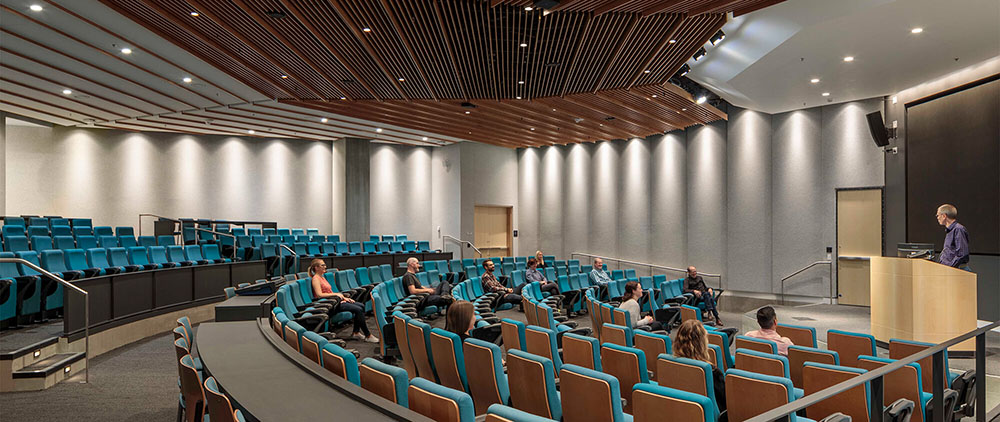
The Bruce Power Women in Nuclear Engineering Co-op Program is a unique opportunity designed specifically for female applicants interested in pursuing a career in nuclear engineering. This program is the only undergraduate nuclear engineering program available in Canada, providing students with a comprehensive understanding of the nuclear fuel cycle, including mining, plant operation, and waste management. Students will engage in a curriculum that covers essential topics such as nuclear plant design, radiation protection, and nuclear physics. The program emphasizes experiential learning, allowing students to apply their knowledge through internships at Bruce Power in Kincardine, ensuring they are well-prepared for their future careers.
Program structure
The Bruce Power Women in Nuclear Engineering Co-op Program is structured to provide a robust educational experience over a four or five-year period. Key features of the program include:
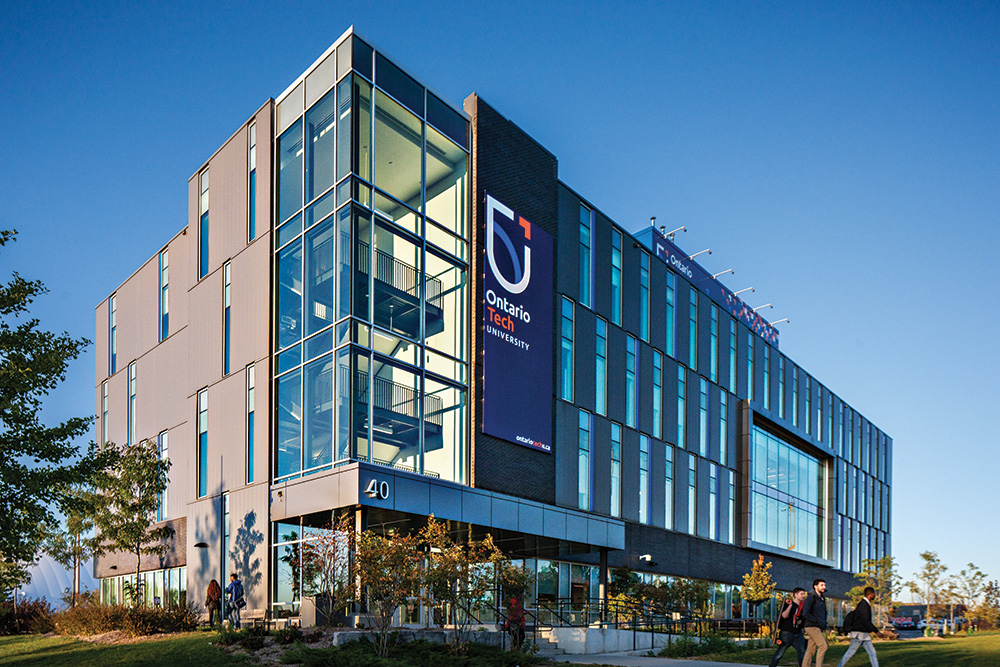
- Delivery Method: In-class learning at Ontario Tech University, North Oshawa.
- Experiential Learning: Opportunities for co-op placements, internships, and an undergraduate thesis.
- Program Load: Full-time study.
- Start Dates: September each year.
This program also offers a direct-entry co-op option, allowing students to apply for co-op positions directly through their Ontario Universities Application Centre (OUAC) application. The co-op positions are full-time and paid, providing students with valuable work experience and a steady income during their studies.
Featured Experiences
The Bruce Power Women in Nuclear Engineering Co-op Program includes several unique features that enhance the learning experience:
- Direct-entry Co-op: Students can apply directly for co-op positions, ensuring a seamless transition from academic learning to practical application.
- Internship Opportunities: Students are encouraged to participate in multiple internship opportunities at Bruce Power, allowing them to gain hands-on experience in the nuclear industry.
- Access to Modern Facilities: Students benefit from state-of-the-art laboratories, including the Corrosion and Electrochemistry Laboratory and the Nuclear Simulation Laboratory.
- Capstone Project: A capstone project that allows students to apply their knowledge in a real-world context.
Career Options
Graduates of the Bruce Power Women in Nuclear Engineering Co-op Program can pursue a variety of career paths in Canada, including:
- Energy Systems Engineer: Focuses on designing and optimizing energy systems, ensuring efficiency and sustainability.
- Nuclear Commissioning Specialist: Responsible for overseeing the commissioning of nuclear facilities, ensuring compliance with safety regulations.
- Nuclear Engineer: Works on the design, development, and operation of nuclear reactors and related systems.
- Nuclear Scientist: Conducts research and analysis in nuclear science, contributing to advancements in the field.
- Project Engineer: Manages engineering projects, ensuring they are completed on time and within budget while meeting technical specifications.
Additionally, graduates may choose to pursue further studies in Engineering and Applied Sciences disciplines, enhancing their qualifications and career prospects.
DISCLAIMER: The information above is subject to change. For the latest updates, please contact LOA Portal's advisors.
Visit Ontario Tech University official website