Last updated on 2025-07-14
Program Overview
The Electrical and Instrumentation Fundamentals program is designed for those who are passionate about machines and the mechanics of production. Students will gain essential skills in repairing, maintaining, calibrating, adjusting, and installing industrial measuring and control equipment. This program prepares graduates to enter one of the fastest-growing job sectors in the tech industry today. With optional co-op placements, students can enhance their learning experience by engaging in advanced training related to equipment specifications, purchasing, and quality testing.
Program Structure
The Electrical and Instrumentation Fundamentals diploma program is structured to be completed in a duration of three years of full-time study. The program includes a blend of theoretical knowledge and practical skills, ensuring that students are well-prepared for the workforce. Key features of the program structure include:
- Hands-on laboratory experiences to apply theoretical concepts.
- Optional co-op placements to gain real-world experience.
- Access to a connected learning environment with necessary technology requirements.
- Comprehensive coverage of essential topics in electrical and instrumentation.
Students will engage in various areas of study, including safety, electrical theory, control elements, and industrial networking, among others. This diverse curriculum equips graduates with the skills needed to excel in their careers.
Featured Experiences
- Optional co-op placements that provide practical work experience.
- Hands-on laboratory work to reinforce learning and skill development.
- Exposure to real-world applications of electrical and instrumentation technologies.
- Collaboration with industry partners for enhanced learning opportunities.
- Access to modern technology and resources to support learning.
Career Options
Graduates of the Electrical and Instrumentation Fundamentals program can pursue a variety of career paths in Canada, including:
- Industrial Instrument Technician: Responsible for installing, maintaining, and repairing instrumentation used in industrial processes.
- Industrial Electrician: Focuses on the installation and maintenance of electrical systems in industrial settings.
- Automation Technician: Works on automated systems and machinery, ensuring they operate efficiently and effectively.
- Control Systems Technician: Specializes in the design and implementation of control systems for various industrial applications.
- Field Service Technician: Provides on-site support and maintenance for electrical and instrumentation equipment in various industries.
These roles are in high demand across various sectors, including oil refining, electrical power generation, and manufacturing, offering graduates numerous opportunities for employment both locally and internationally.
DISCLAIMER: The information above is subject to change. For the latest updates, please contact LOA Portal's advisors.
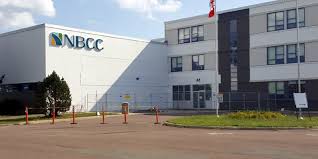
Visit NBCC - New Brunswick Community College official website