Last updated on 2026-09-11




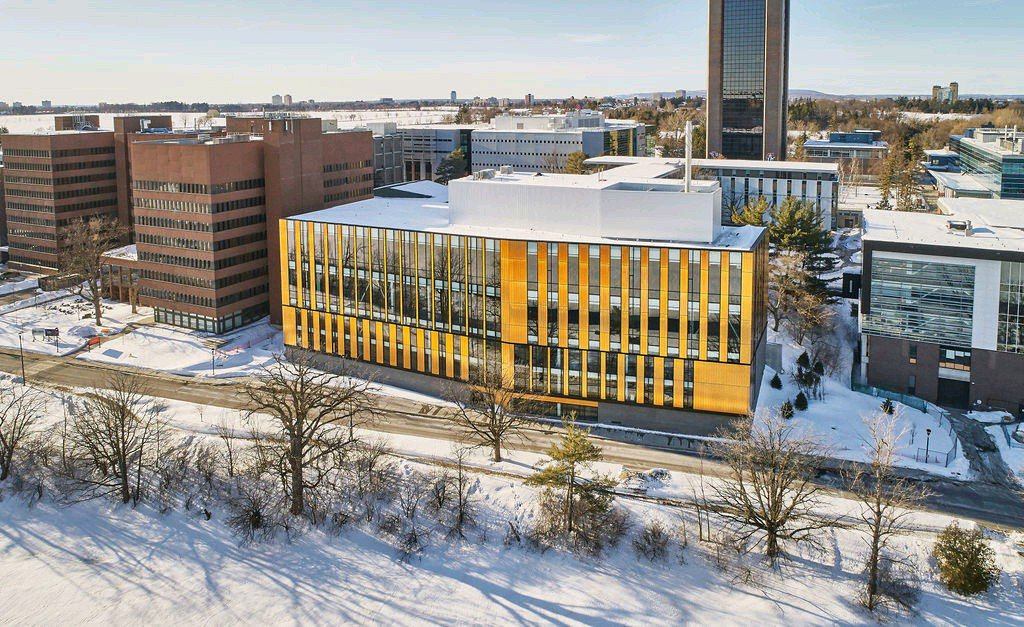






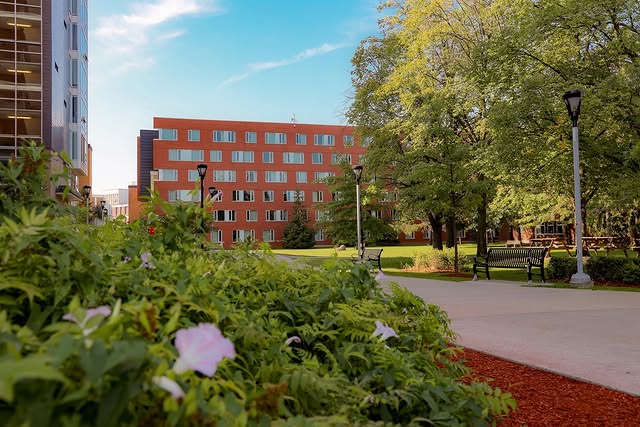

Program Overview
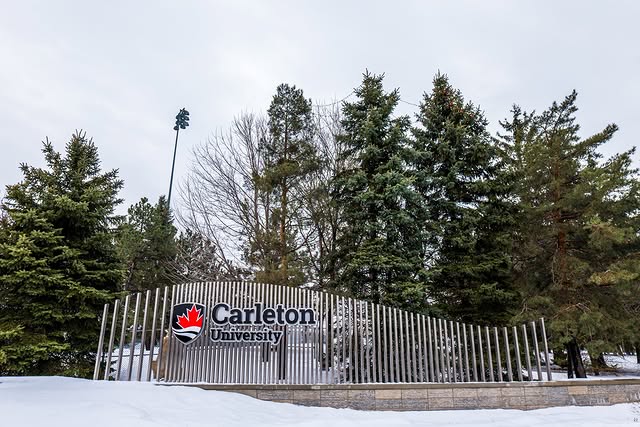
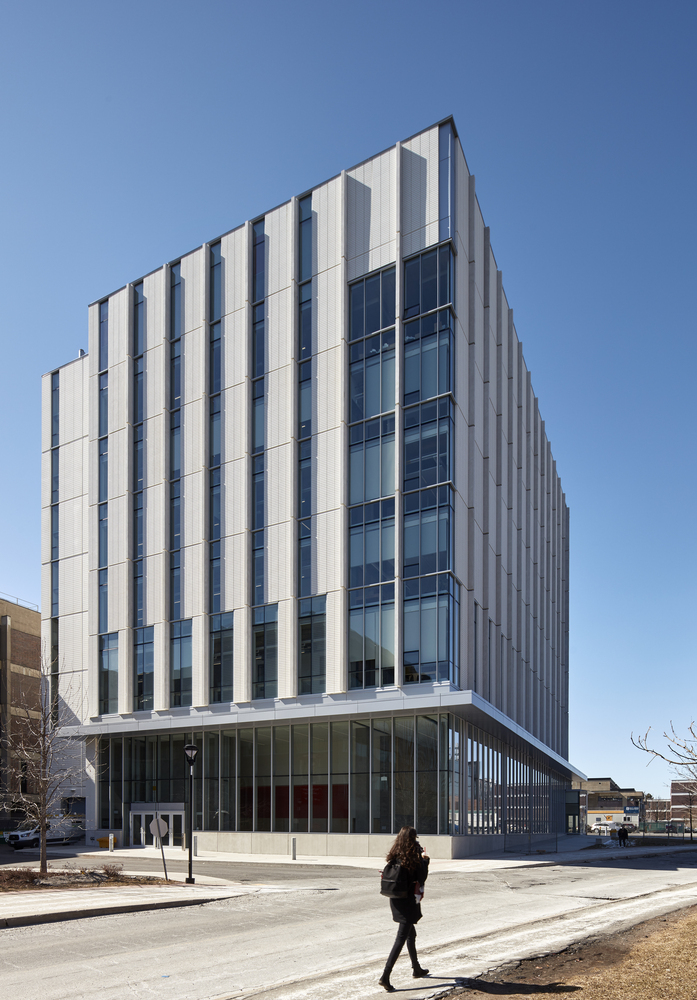
The Master of Engineering in Electrical and Computer Engineering with a focus on Modeling and Simulation is designed for students looking to deepen their knowledge and skills in this rapidly evolving field. This program is offered by the Department of Systems and Computer Engineering at Carleton University, which is known for its robust graduate programs. Students will engage in advanced studies that prepare them for various challenges in academia, industry, and government sectors. The program emphasizes practical applications and theoretical foundations, ensuring graduates are well-equipped to tackle real-world problems.
Program Structure
The Master of Engineering in Electrical and Computer Engineering - Modeling and Simulation is structured to provide a comprehensive educational experience. The program can be completed in a flexible timeframe, allowing students to tailor their studies to fit their personal and professional commitments. Key features of the program structure include:
- Program length: Typically completed in 18 months for full-time students.
- Options for completion: Students can choose between coursework or a combination of coursework and a project.
- Concentration in Modeling and Simulation: This concentration focuses on technologies used in decision-making across various sectors, including logistics, manufacturing, and autonomous systems.
- Access to a wide range of graduate courses and laboratories through collaboration with the Ottawa-Carleton Institute for Electrical and Computer Engineering.
Students will gain hands-on experience through projects and research, enhancing their learning and preparing them for future careers.
Featured Experiences
The Master of Engineering in Electrical and Computer Engineering - Modeling and Simulation offers several unique experiences that enhance the educational journey:
- Concentration in Modeling and Simulation, focusing on practical applications in various industries.
- Opportunities for collaborative projects with industry partners, providing real-world experience.
- Access to state-of-the-art research facilities and laboratories.
- Engagement in cutting-edge research areas such as Artificial Intelligence, Cloud Computing, and Cybersecurity.
- Potential for internships or co-op placements that allow students to apply their knowledge in professional settings.
Career Options
Graduates of the Master of Engineering in Electrical and Computer Engineering - Modeling and Simulation can pursue a variety of career paths in Canada. Here are some potential job options:
- Systems Engineer: Responsible for designing and managing complex systems over their life cycles, ensuring all components work together effectively.
- Software Developer: Focuses on creating software applications, often utilizing skills in programming and software engineering principles.
- Data Analyst: Analyzes large datasets to extract meaningful insights, often using statistical tools and software.
- Simulation Engineer: Specializes in creating simulations to model real-world processes, helping organizations make informed decisions.
- Research Scientist: Engages in advanced research projects, often in academic or industrial settings, contributing to innovations in technology.
These roles highlight the versatility and demand for skills acquired through this program, preparing graduates for successful careers in various sectors.
DISCLAIMER: The information above is subject to change. For the latest updates, please contact LOA Portal's advisors.
Visit Carleton University official website