Last updated on 2026-03-12
Program Overview
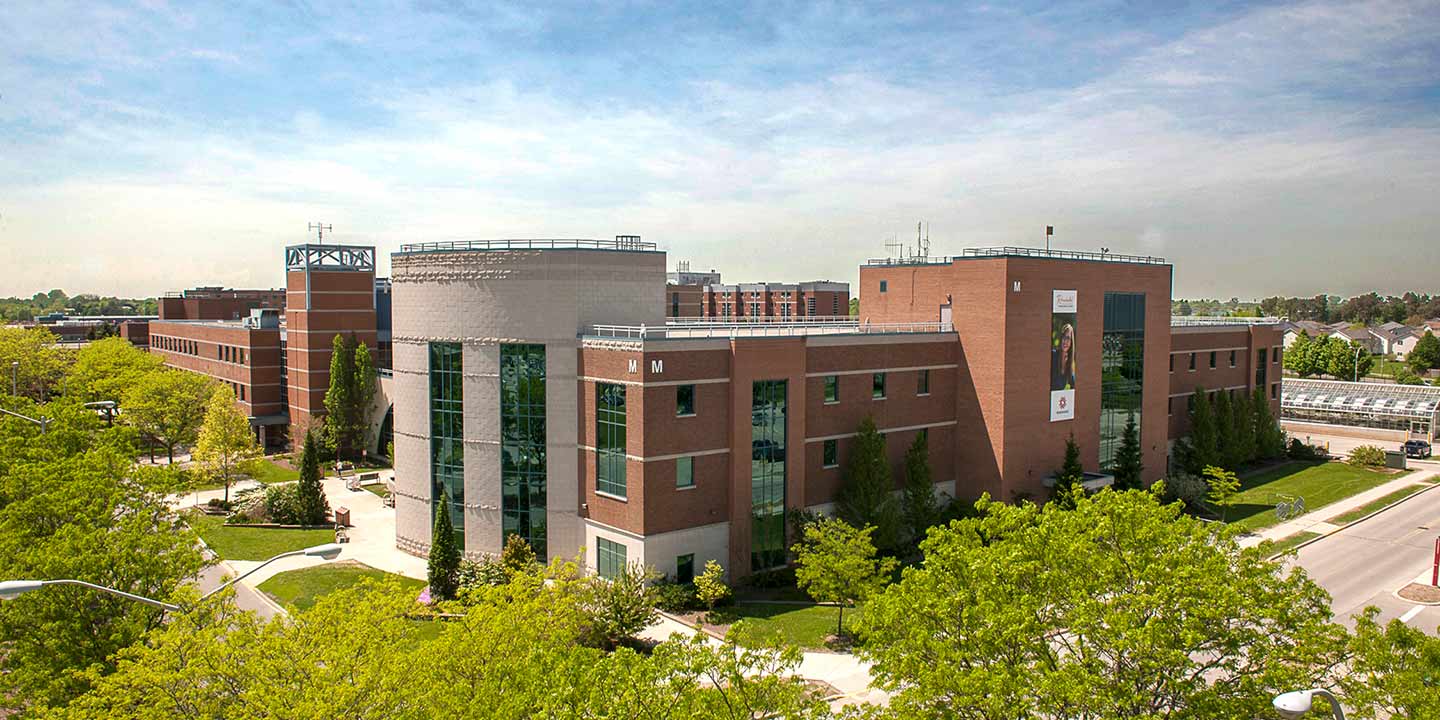
Humber’s Early Childhood Education (ECE) diploma program is designed to equip students with the essential skills and knowledge to work effectively with children from birth to 12 years and their families. The program emphasizes practice-ready competencies that employers seek in ECE graduates. Students will engage in innovative learning experiences, including simulations and hands-on activities within Humber's specialized facilities, such as the Carol Reid Early Childhood Education Lab and the Humber Child Development Centre. The curriculum covers various aspects of child development, inclusive teaching methods, and the importance of community collaboration, ensuring that graduates are well-prepared to support children and families in diverse environments.
Program Structure
The Early Childhood Education diploma program spans 4 semesters, providing a comprehensive educational experience. Students can choose from various start dates, including January, May, and September, with different completion timelines based on their start date:
- January: Fast-track option, completing the program in four consecutive semesters, including summer.
- May: Approximately 20 months to complete, with a summer break between the third and fourth semesters.
- September: Two academic years to complete, with a summer break between the second and third semesters.
Additionally, the program offers an online option for students who prefer a flexible learning environment. Throughout the program, students will participate in field experiences, gaining practical skills and knowledge in real-world settings. This hands-on approach is crucial for developing the competencies needed to succeed as registered early childhood educators.
Featured Experiences
- Field experiences totaling approximately 500-600 hours over three semesters, providing practical exposure to various childcare settings.
- Opportunities to work in licensed childcare, preschool settings, EarlyON Child and Family Centres, and community programs.
- Access to state-of-the-art facilities, including the Carol Reid Early Childhood Education Lab and the Carol Reid Innovation Centre for hands-on learning.
- Engagement in nature-based play and learning initiatives, promoting physical activity and mental wellness.
- Collaboration with community agencies to enhance learning experiences and support children's development.
Career Options
Graduates of the Early Childhood Education diploma program have a wide range of career opportunities in Canada, including:
- Registered Early Childhood Educator: Work in licensed childcare centers, preschools, and early learning programs, supporting children's development and learning.
- Child and Family Centre Worker: Provide resources and support to families, facilitating access to community services and programs.
- Before and After School Program Coordinator: Oversee programs that provide care and educational activities for children outside of regular school hours.
- Full-Day Kindergarten Teacher: Teach and support children in a full-day kindergarten setting, focusing on holistic development and learning.
- Home Childcare Provider: Offer personalized care and education in a home setting, catering to the unique needs of children and families.
DISCLAIMER: The information above is subject to change. For the latest updates, please contact LOA Portal's advisors.
Visit Humber Polytechnic official website