Last updated on 2026-02-09

Program Overview
The welder is respected on any job site or shop floor as a person who works with their hands and understands the foundational theory needed to get the project finished. If you want to be ready to write your welding ticket test in less than a year, Fanshawe’s Welding Techniques program will get you there.
Program Structure
The Welding Techniques program is designed to provide students with the essential skills and knowledge required for a successful career in welding. This program is structured as follows:
- Program Length: 30 weeks
- Two academic levels, including a mandatory work placement
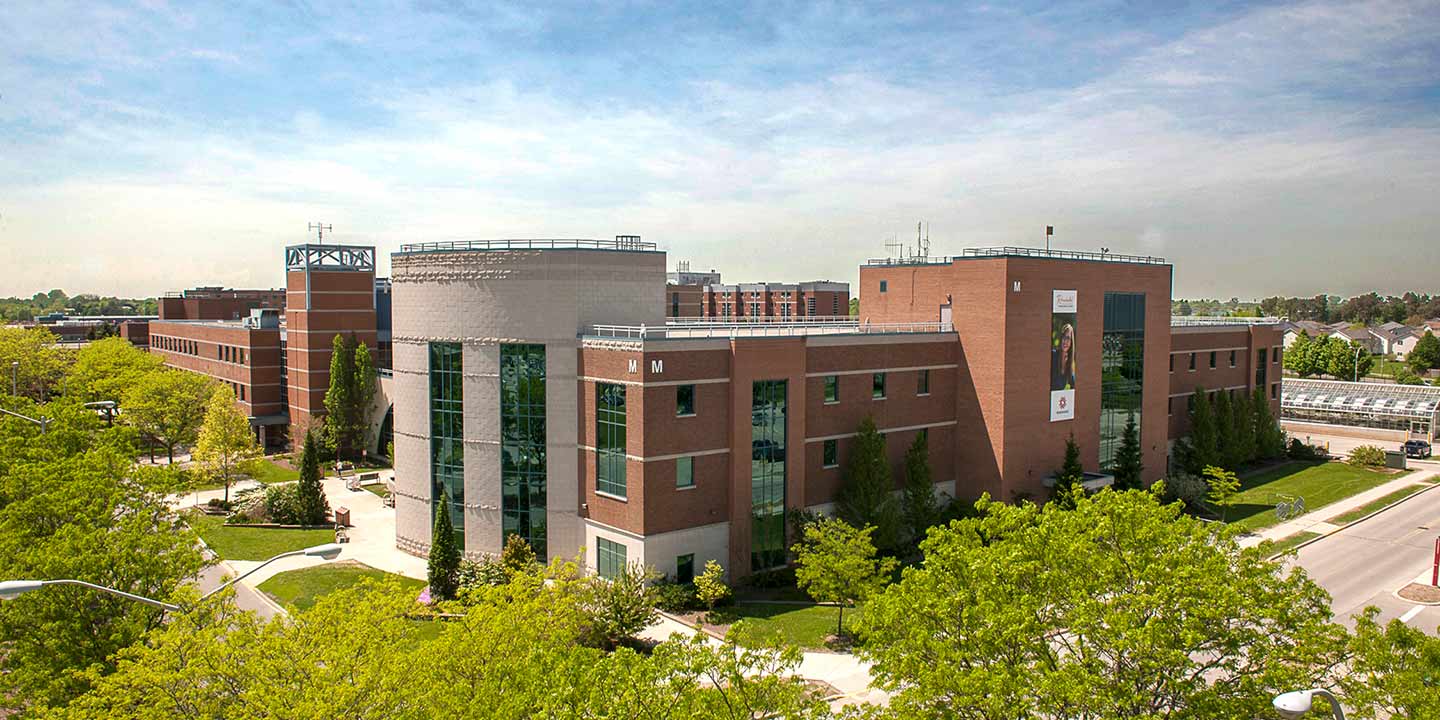
- Flexible study options with multiple locations and start dates, including St. Thomas, Simcoe, and Kincardine
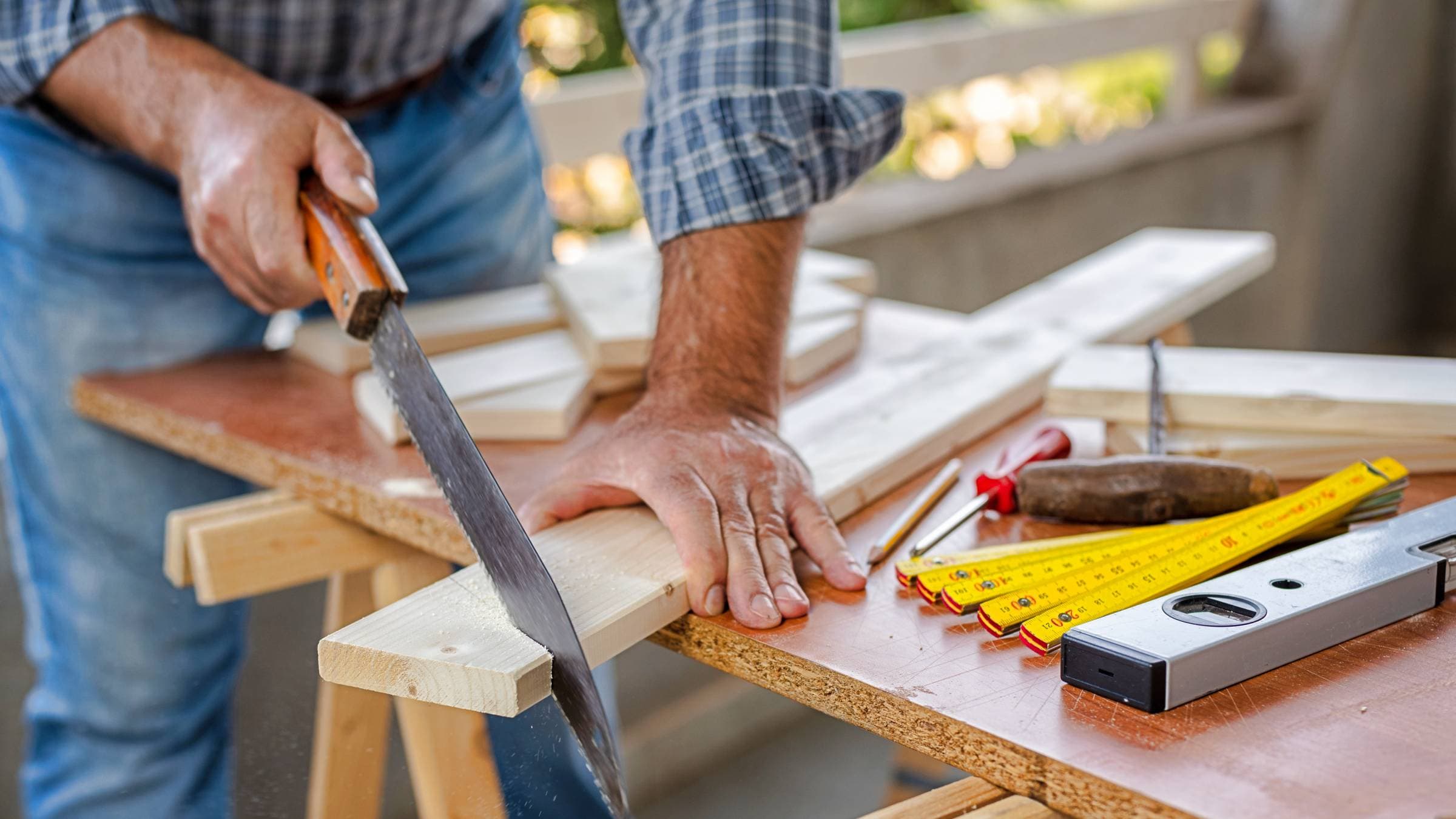
- Hands-on training with real-world industry equipment
Students will gain practical experience through a 120-hour unpaid work placement, which helps in building connections in the field and earning valuable experience. The program prepares graduates to enter the workforce as welders, with eligibility to test for welding tickets based on their level of expertise.
Featured Experiences
- Mandatory work placement to gain real-world experience
- Hands-on training using industry-standard equipment
- Opportunities to develop skills in various welding techniques
- Access to multiple campuses for convenience
- Training in health and safety, blueprint reading, and applied math
Career Options
Graduates of the Welding Techniques program have a variety of career options available to them in Canada. Here are some potential job roles:
- Welder: Fabricate and repair products using various welding equipment according to layouts and technical drawings.
- Welder Fitter Trainee: Assist in the fitting and assembly of welded components, gaining hands-on experience in the field.
- Apprentice Boilermaker: Work under the guidance of experienced boilermakers to learn the trade and develop skills in welding and fabrication.
- Construction Millwright: Install, maintain, and repair machinery and equipment in construction settings, utilizing welding skills.
- Industrial Mechanic/Millwright: Troubleshoot and repair industrial machinery, often requiring welding and fabrication skills.
- Ironworker: Work on construction sites to install steel frameworks and other structures, using welding techniques.
- Pipefitter: Specialize in the installation and repair of piping systems, often involving welding and metalwork.
DISCLAIMER: The information above is subject to change. For the latest updates, please contact LOA Portal's advisors.
Visit Fanshawe College official website