Last updated on 2025-12-30
Program Overview
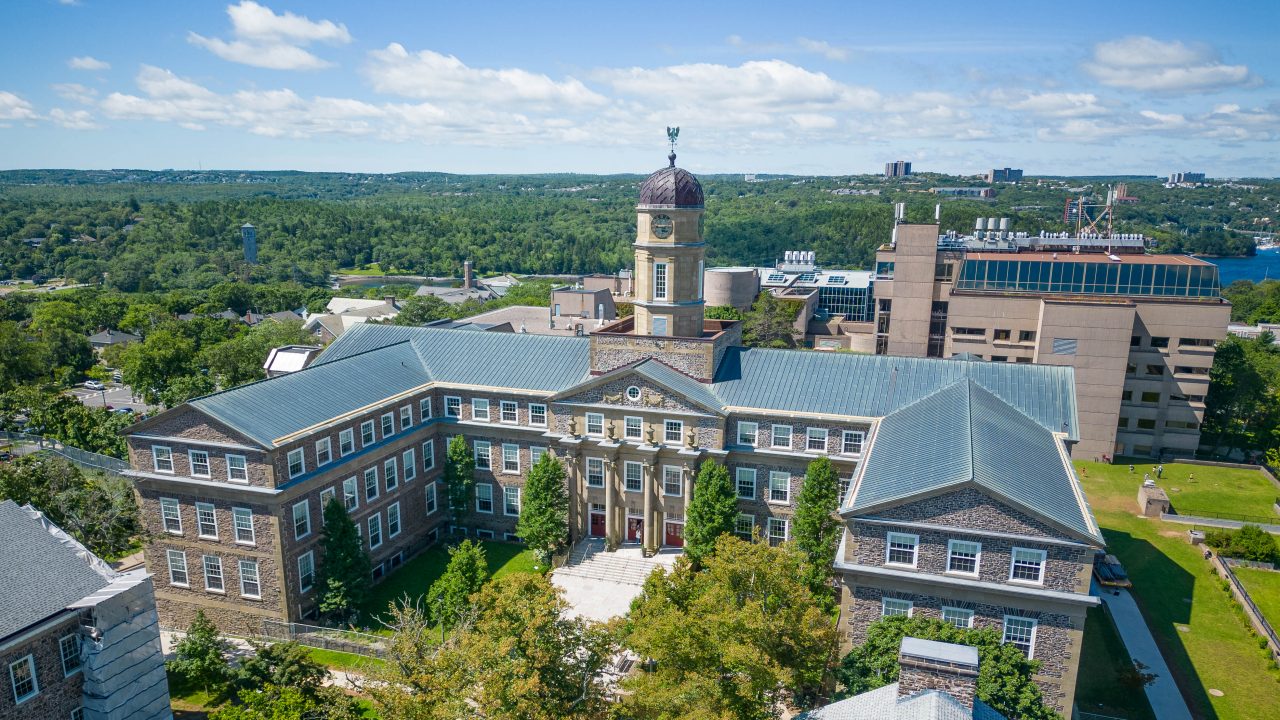
Dalhousie University’s Environmental Engineering (BEng) program is designed to equip students with the skills necessary to tackle pressing environmental challenges. This program emphasizes the application of theoretical knowledge through a variety of hands-on learning experiences. Students will engage in practical work within state-of-the-art laboratories and workshops, allowing them to develop sustainable solutions for environmental protection. The program prepares graduates to address issues such as clean drinking water, waste management, and energy conservation, making it a vital choice for those passionate about environmental stewardship.
Program Structure
The Environmental Engineering program at Dalhousie University offers two distinct pathways for students:
- Co-op Program: This option extends the program to five years, integrating practical work experience into the academic curriculum.
- Non-Co-op Program: This option allows students to complete their degree in four years without the co-op component.
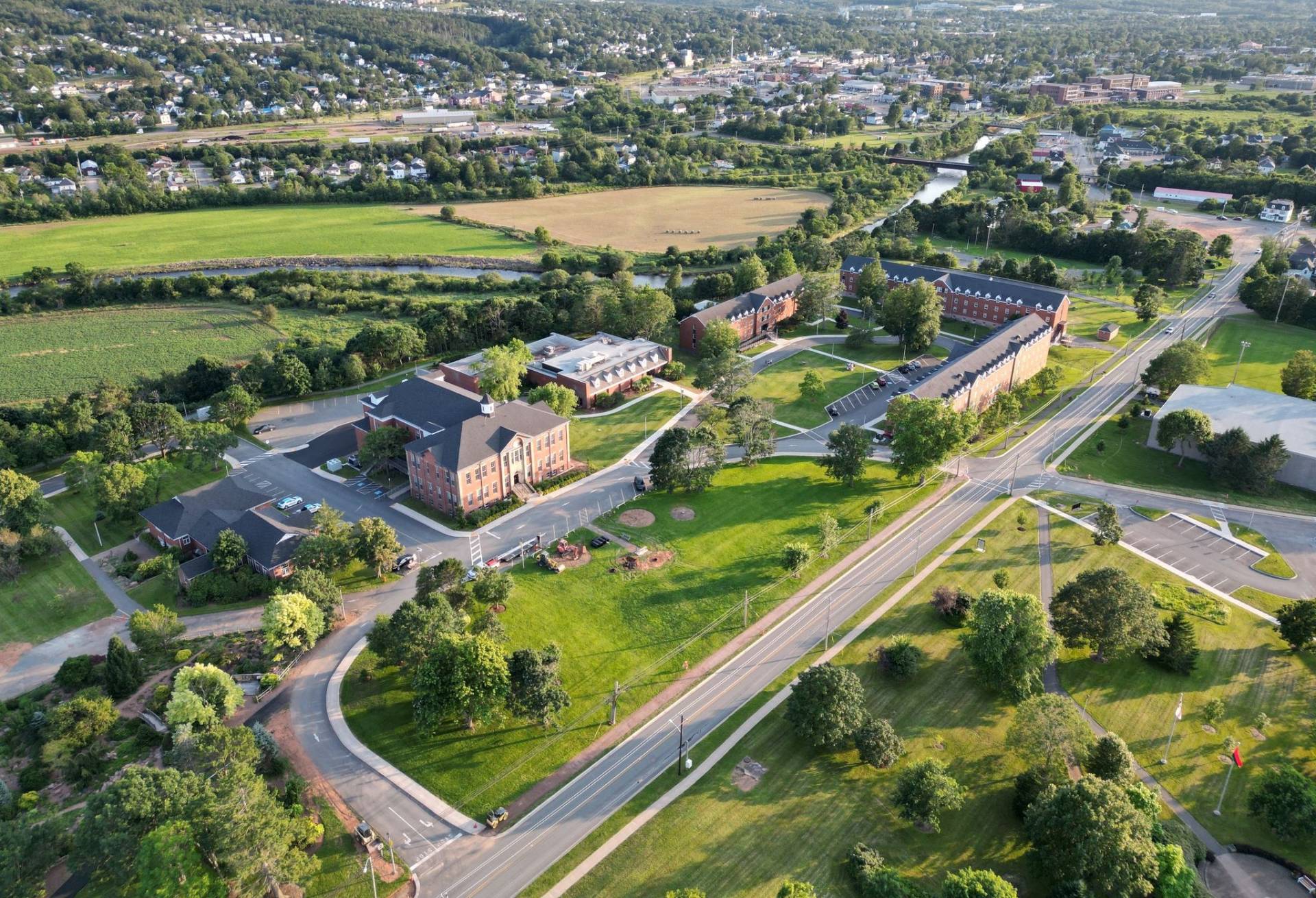
Throughout the first two years, all engineering students will complete a core engineering program, which can be pursued at either the Sexton Campus in Halifax or the Agricultural Campus in Truro. This foundational phase includes studies in:
- Mathematics
- Science
- Engineering science and design
Students are encouraged to connect with academic advisors to explore various program options and tailor their educational journey to their career aspirations.
Featured Experiences
- Hands-on learning opportunities in state-of-the-art labs and workshops.
- Access to a co-op program that provides real-world experience in the field.
- Collaboration with industry partners for practical projects and research.
- Exposure to various environmental engineering challenges through practical applications.
Career Options
Graduates of the Environmental Engineering program can pursue a variety of career paths in Canada, including:
- Environmental Consultant: Advises organizations on how to minimize their environmental impact and comply with regulations.
- Water Resource Engineer: Focuses on the management and conservation of water resources, ensuring safe and sustainable water supply.
- Air Quality Engineer: Works on projects to monitor and improve air quality, addressing pollution and health concerns.
- Waste Management Engineer: Designs systems for waste disposal and recycling, promoting sustainable waste management practices.
- Renewable Energy Engineer: Develops and implements renewable energy solutions, contributing to energy conservation and sustainability.
DISCLAIMER: The information above is subject to change. For the latest updates, please contact LOA Portal's advisors.
Visit Dalhousie University official website