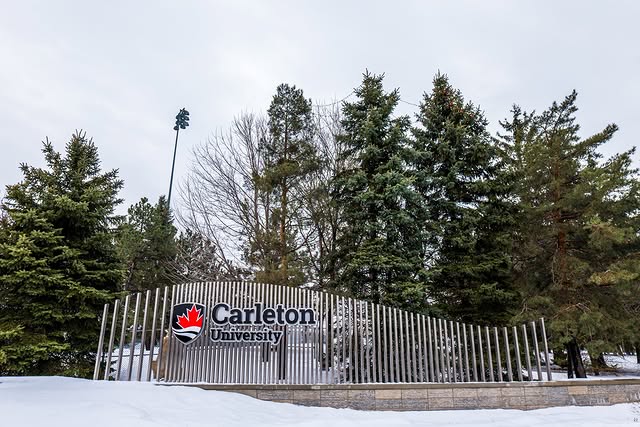
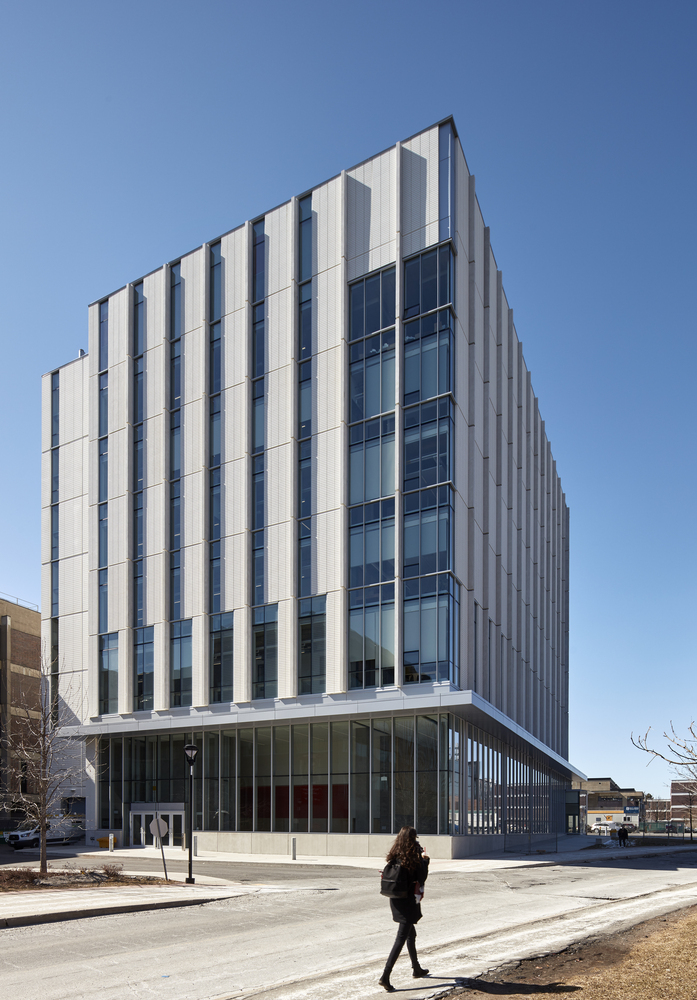
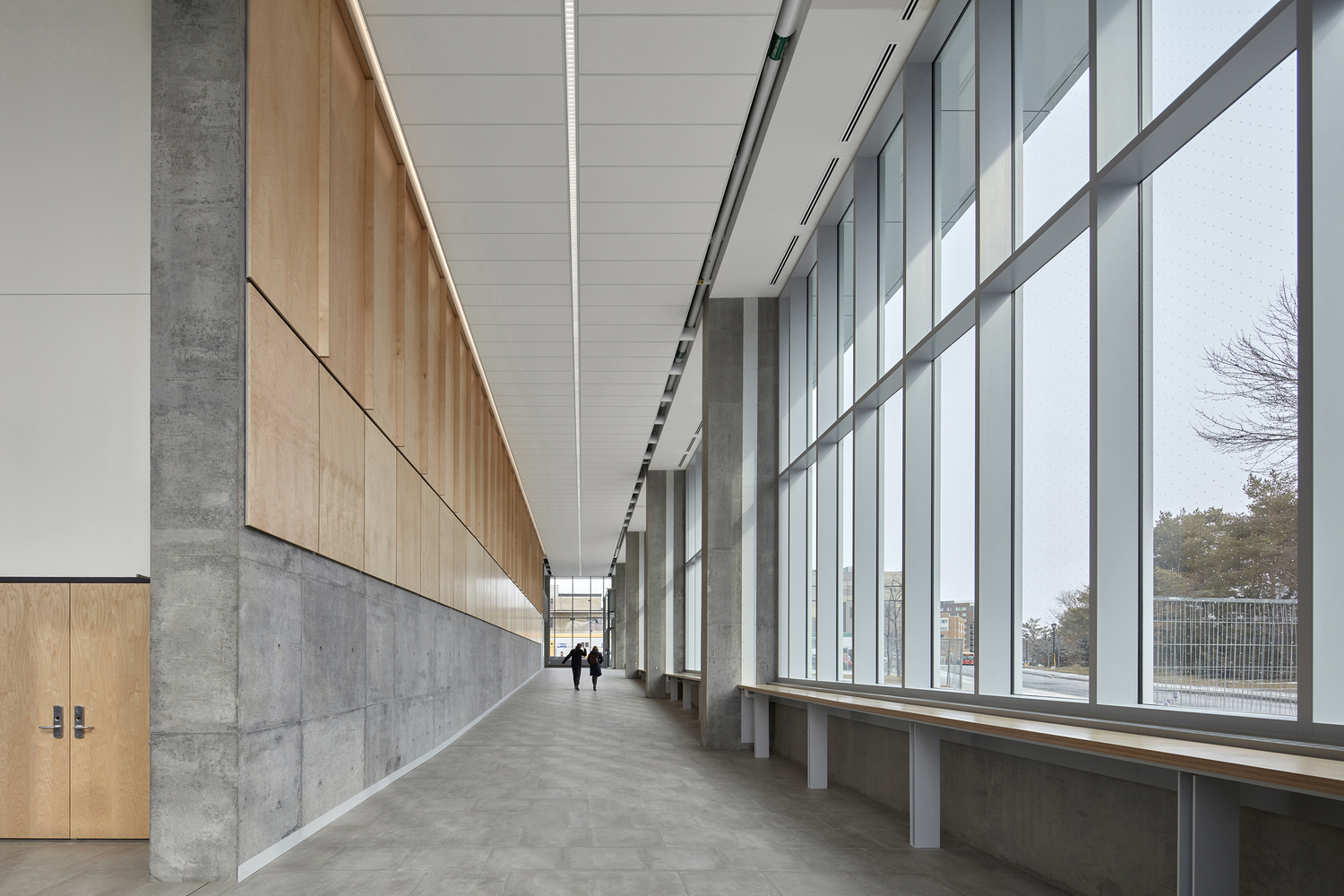
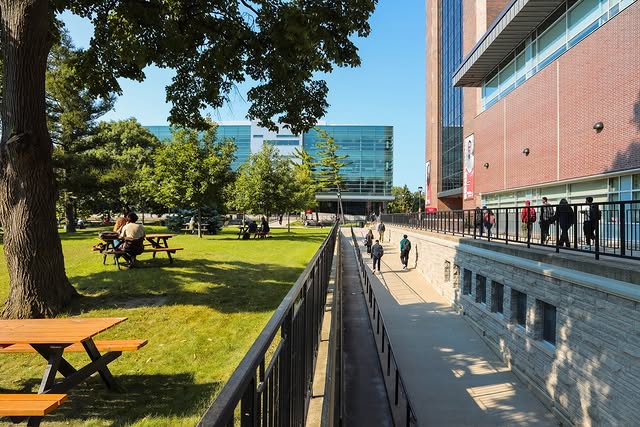
The Master of Applied Science in Building Engineering is designed for students who wish to specialize in areas such as building performance, heritage conservation, and fire safety engineering. This program aims to enhance students' knowledge and skills in building engineering, addressing the growing demand in both the private and public sectors. Graduates will be well-equipped to tackle contemporary challenges in building engineering, making significant contributions to the field.
Program Structure
The Master of Applied Science in Building Engineering is structured to be completed in a 2-year timeframe. Students have the flexibility to choose from various pathways, including:
Coursework
Research Project
Thesis
This program offers entry terms in Fall, Summer, and Winter, providing students with multiple opportunities to begin their studies. The program is designed to cater to the needs of students, allowing them to select the pathway that best aligns with their career goals and academic interests.
Featured Experiences
Access to industry and world-class government research laboratories, such as the National Research Council.
Opportunities for hands-on experience in building performance and fire safety engineering.
Collaboration with leading engineering companies and public sector organizations.
Career Options
Graduates of the Master of Applied Science in Building Engineering can pursue a variety of career paths in Canada, including:
Building Scientist: Specializes in the performance and sustainability of buildings, ensuring they meet regulatory standards.
Energy Modeller: Works on optimizing energy use in buildings, focusing on efficiency and sustainability.
Sustainability Consultant: Advises organizations on sustainable practices and building designs that minimize environmental impact.
Restoration and Retrofit Expert: Focuses on preserving heritage buildings while upgrading them to meet modern standards.
Fire Safety Engineer: Designs and implements fire safety measures in buildings to protect occupants and property.
DISCLAIMER: The information above is subject to change. For the latest updates, please contact LOA Portal's advisors.
For the Master of Applied Science (M.A.Sc.) in Building Engineering, applicants must meet the following Academic Requirements:
Hold an undergraduate degree from an engineering or related program (deemed acceptable by the Director and supervisor(s)) with at least a B+ average.
For the PhD program, a master’s degree from an engineering program with at least an A- average is required.
In some cases, applicants may be admitted on the condition that they take one or more courses to complete their Building Engineering degree program if their educational background is deemed inadequate by the Director.
The following prerequisite courses (or equivalents, as evaluated by the Director) are required for admission into any of the programs:
Calculus I (MATH 1004)
Linear Algebra I (MATH 1104)
Thermodynamics and/or heat transfer (MAAE 2400)
General or applied physics (e.g., statics or dynamics) (PHYS 1004)
A course with a substantial technical computer and/or hand-drawing element (ECOR 1054, CIVE2004, CIVE3209)
A course with at least an element of basic computer programming or demonstration of programming skills (ECOR 1051, ECOR1606, ECOR2606)
Applicants for the M.A.Sc. and Ph.D. programs must have a thesis supervisor. It is recommended that applicants contact professors that align with their research experience and interests before submitting a formal application.
Transcripts may be required to be evaluated by WES in some cases.
Students are encouraged to apply as soon as possible to ensure their application is processed in a timely manner.
Language Requirements
The language of instruction at Carleton is English. For admission into Carleton’s graduate programs, you will need to demonstrate that your knowledge and use of English are strong enough for graduate studies at an English-language university.
If your first language is not English, you can demonstrate your language proficiency by:
Presenting one of the official Language Proficiency (ESL) test scores as defined in the table below;
Showing that you have completed ESLA 1900 or ESLA 1905 at Carleton University with a final grade of B- or higher; or
Presenting official certification (transcripts) that you have completed an undergraduate or graduate degree at a university in any country in which the primary language is English, where the language of instruction in the relevant educational institution was English, and the language of instruction in their most recently completed undergraduate or graduate degree was English.
Applicants who present their most recent degree and transcripts from a Canadian institution are exempt from language proficiency requirements, unless otherwise required by an individual program.
Note: Letters from your universities stating the medium of instruction is English are not acceptable.
Minimum Language Proficiency (ESL) test score requirement:
Language Proficiency Test
Score
Canadian Academic English Language Test (CAEL, CAEL-CE)
70 (minimum 60 in each band)
Duolingo English Test (DET)
125 (minimum 130 in Literacy; 135 in Comprehension; 115 in Conversation; 110 in Production)
IELTS, IELTS Online (Academic) *
6.5 IELTS (minimum 6.0 in each band)
Pearson Test of English (PTE) including PTE Online (Academic)
60 overall (minimum 60 in each Communicative Skill)
TOEFL iBT (including iBT Home Edition)
86 (20 in reading and listening; 22 in speaking and writing)
* IELTS One-Skill Retake is accepted
TOEFL MyBest Scores is accepted
Please note that some graduate programs may require a higher level of understanding of the English language and will have higher ESL requirements. It is your responsibility to review and meet the minimum requirements of the program to which you are applying. The Graduate Studies reserves the right to require further documentation or additional testing if they feel it necessary to demonstrate the required level of English language proficiency.
Carleton University is committed to ensuring that all students have fair access to English Language testing, including those students who require accommodations to complete the test. All tests accepted by Graduate Studies offer accommodations to students who require it, including but not limited to students with disabilities, and nursing mothers. Please note that arranging accommodations for an ESL test may take up to six weeks.
DISCLAIMER: The information above is subject to change. For the latest updates, please contact LOA Portal's advisors. The listed minimum requirements are a guideline and do not guarantee admission. Do not worry, we will notify you of any changes during the application process.
Over 1,000 Global Students Succeed Abroad Each Year with LOA Portal
Begin your study abroad journey with expert guidance and a powerful platform built for you - with all services fully sponsored.
We use cookies to ensure you have the best browsing experience on our website. By using our site, you acknowledge that you have read and understood our Terms of service & Privacy policy.