Last updated on 2026-10-05






Program overview
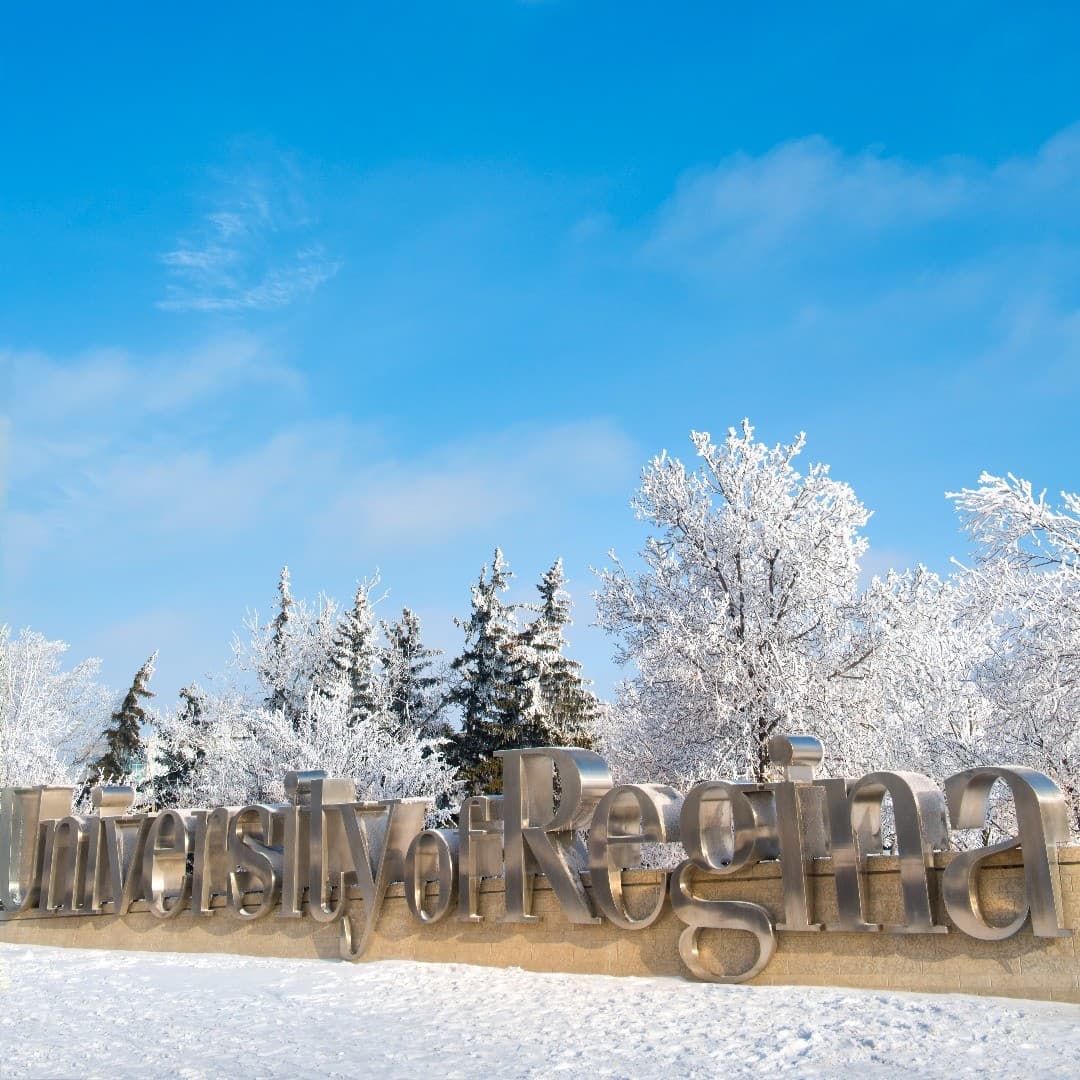
Earn a Master of Indigenous Education from the University of Regina. This program is designed to prepare graduates to be effective educators and leaders in Indigenous Education. Students will have opportunities to learn and experience various forms and systems of Indigenous knowledge, conduct research with Indigenous peoples, and integrate Indigenous knowledge into school curricula. The program is tailored for teachers currently working in band or urban schools with high Indigenous student populations, as well as those interested in Indigenous education. Graduates will gain knowledge about Indigenization, decolonization, and reconciliation, becoming leaders and advocates in teaching, language revitalization, land-based education, and social policy work.
Program structure
The Master of Indigenous Education program offers three distinct routes: thesis-based, project-based, and course-based. The program is designed to be completed in 2 years. Here are some key features of the program structure:
- Thesis-based program: Focuses on independent, original research, ideal for those considering further doctoral studies.
- Project-based program: Allows students to apply theory in practical settings, with a research element of limited scope.
- Course-based program: Comprises a total of 10 courses.
Additionally, the program offers opportunities for experiential learning, including community-based programming and access to research opportunities. Students can also benefit from cohort programming and a structured course schedule, which enhances their learning experience.
Featured Experiences
The Master of Indigenous Education program includes several unique features and experiences that enhance the learning journey:
- Cohort programming that fosters collaboration among students.
- Blended (hybrid) and fully online course options for flexible learning.
- Access to research opportunities for thesis students and experiential learning for project or capstone course students.
- Community-based programming that emphasizes Indigenous epistemology and learning from the land.
- Support for Indigenous learners and teaching treaties in the classroom.
- Engagement with Elders and traditional knowledge keepers to facilitate learning.
Career Options
Graduates of the Master of Indigenous Education program can pursue a variety of career paths in Canada. Here are some potential job options:
- Teacher: Educators in elementary and secondary schools, focusing on Indigenous education and curriculum integration.
- University Instructor: Teaching at post-secondary institutions, specializing in Indigenous education and related fields.
- Polytechnic Instructor: Providing education in polytechnic settings, often with a focus on practical skills and Indigenous knowledge.
- Education Administrator: Leading educational programs and initiatives within schools or educational organizations.
- Policy Advisor: Working with government or non-profit organizations to develop policies that support Indigenous education and community needs.
These roles allow graduates to make significant contributions to the field of education and support the advancement of Indigenous knowledge and practices.
DISCLAIMER: The information above is subject to change. For the latest updates, please contact LOA Portal's advisors.
Visit UOR - University Of Regina official website