Last updated on 2026-01-07



Program Overview
The Bachelor of Health Studies program at the University of Manitoba emphasizes the social science aspects of health and disease. It integrates both social science and fundamental science concepts, providing a solid foundation for various careers in health-related care and research. This program is designed to prepare students for roles in community health management and further education in health and social science fields.
Program Structure
The Bachelor of Health Studies program is structured to be completed in 4 years. It offers students the flexibility to design a program that aligns with their unique goals and interests. Key features of the program structure include:
- Three specialized concentrations:
- Health Policy, Planning, and Evaluation
- Health Promotion and Education
- Family Health
- Students must declare at least one concentration.
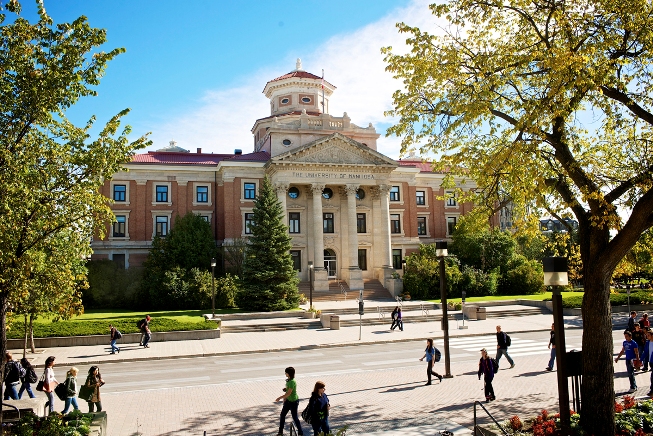
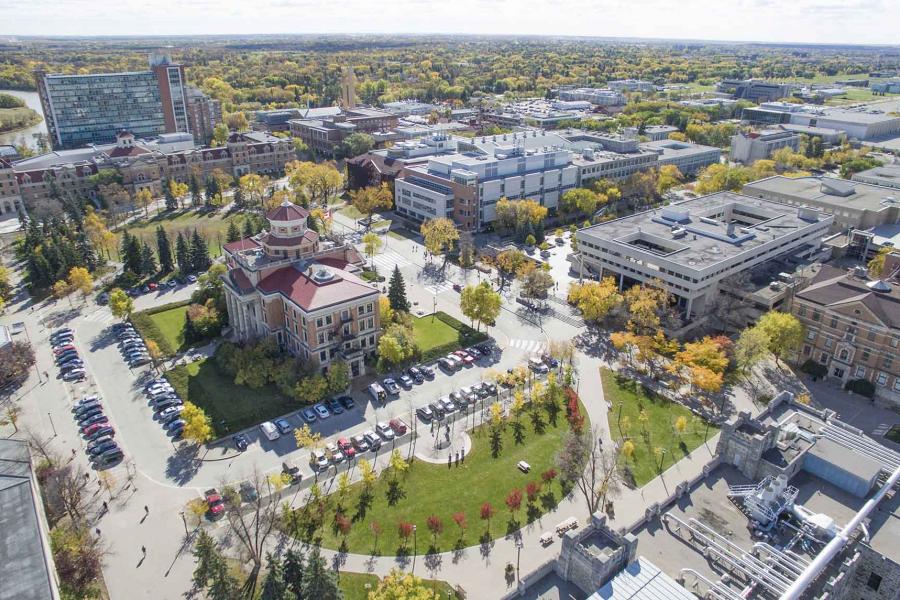
- Classes are conducted at the Fort Garry campus.
This program is part of the Interdisciplinary Health Program, which collaborates with the Rady Faculty of Health Sciences and the Faculty of Arts. The curriculum is designed to provide a comprehensive understanding of the physical and social aspects of health and disease, equipping students with the foundational knowledge necessary for entry into health-related fields.
Featured Experiences
The Bachelor of Health Studies program offers several unique experiences that enhance learning and practical application:
- Interdisciplinary approach combining health sciences and social sciences.
- Opportunity to engage in community health initiatives.
- Access to specialized concentrations that allow for tailored educational paths.
- Collaboration with various health-related agencies and organizations.
Career Options
Graduates of the Bachelor of Health Studies program can pursue a variety of career paths in Canada, including:
- Social Policy Researcher: Conducts research to inform and develop policies that impact community health and social services.
- Community Health Administrator: Manages health programs and services within community organizations, ensuring effective delivery of health care.
- Health Educator: Develops and implements educational programs to promote health awareness and healthy lifestyles in communities.
- Indigenous Health Advocate: Works to improve health outcomes for Indigenous populations through advocacy and program development.
- Family Social Service Worker: Provides support and resources to families in need, focusing on wellness and social services.
These career options reflect the diverse opportunities available to graduates, allowing them to make significant contributions to health and social services in various communities.
DISCLAIMER: The information above is subject to change. For the latest updates, please contact LOA Portal's advisors.
Visit UOM - University of Manitoba official website