


































Program overview
Graduate with 2 years of paid co-op experience and discover the future of technology with a Nanotechnology Engineering degree from Waterloo. This program is the first accredited nanotechnology program in Canada, designed to equip students with the skills to innovate in various fields, including healthcare, electronics, and sustainable development. Students will engage in hands-on learning through state-of-the-art facilities, including a dedicated clean room with cutting-edge equipment. The curriculum integrates principles from biology, chemistry, electronics, and quantum physics, preparing graduates to tackle real-world challenges and contribute to advancements in technology.
Program structure
The Bachelor of Applied Science in Nanotechnology Engineering is a co-op program that combines academic study with practical work experience. The program typically spans five years, allowing students to alternate between study and co-op terms. The structure is as follows:
- First Year: Focus on foundational courses in chemistry, physics, calculus, and engineering design.
- Second Year: Continue with advanced topics and begin co-op placements.
- Third Year: Engage in co-op placements while studying advanced nanotechnology concepts.
- Fourth Year: Complete additional study and co-op terms, integrating practical experience with academic learning.
- Fifth Year: Finalize studies and prepare for graduation.
Students have the option to explore specializations within the program, such as Nanobiosystems, Nanoelectronics, Nanofabrication, and Nanomaterials. The co-op component provides valuable work experience, enhancing employability upon graduation.
Featured Experiences
The Nanotechnology Engineering program offers a variety of unique experiences that enhance learning and professional development:
- Co-op Opportunities: Students can gain up to two years of paid work experience, alternating between academic terms and co-op placements.
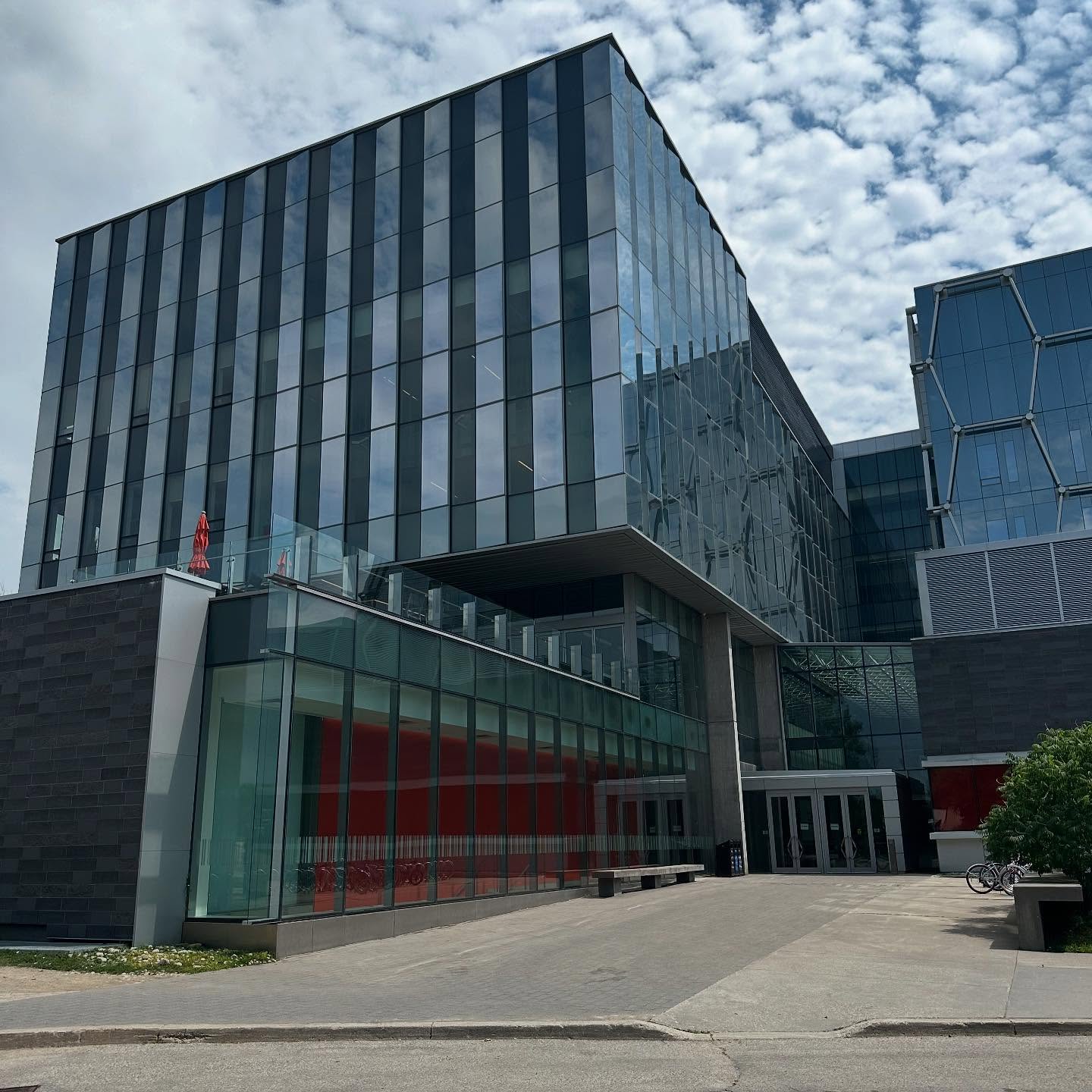
- State-of-the-Art Facilities: Access to the $160-million Mike and Ophelia Lazardis Quantum-Nano Centre, featuring advanced nano-fabrication tools and cleanroom environments.
- Hands-On Lab Experience: Extensive lab courses that allow students to apply theoretical knowledge in practical settings.
- Student Design Teams: Opportunities to participate in over 35 student-led design teams, fostering teamwork and innovation.
- Vibrant Student Life: Engage in various clubs, activities, and events that promote community and personal growth.
Career Options
Graduates of the Nanotechnology Engineering program can pursue a wide range of career opportunities in various sectors. Here are some potential job roles:
- Optoelectronic Display Engineer: Work on the design and development of advanced display technologies for consumer electronics.
- Materials Test Engineer: Conduct tests and evaluations of materials to ensure they meet industry standards and specifications.
- Business Technology Analyst: Analyze and implement technology solutions to improve business processes and efficiency.
- NPI Engineering Specialist: Focus on new product introduction, ensuring that new technologies are effectively integrated into production.
- Research and Development Engineer: Engage in innovative research projects, developing new technologies and solutions in nanotechnology.
- Pharmacovigilance Analyst: Monitor and assess the safety of pharmaceutical products, ensuring compliance with regulations.
- Scanning Probe Microscopy Experimentalist: Utilize advanced microscopy techniques to investigate materials at the nanoscale.
DISCLAIMER: The information above is subject to change. For the latest updates, please contact LOA Portal's advisors.
Visit University of Waterloo official website