Last updated on 2026-09-08




Program Overview
The Bachelor of Science with Major in Ecology, Evolution and Environmental Biology at the University of Alberta is designed to explore the intricate relationships between organisms and their environments. This program emphasizes the diversity of life forms, their adaptations, and the evolutionary processes that shape them. Students will acquire a solid foundation in ecology and evolution, examining these concepts at various levels, including individuals, populations, communities, and ecosystems. The program also offers an option to pursue a BSc Honors degree, providing an opportunity for deeper academic engagement.
Program Structure
The Bachelor of Science with Major in Ecology, Evolution and Environmental Biology is a flexible and customizable undergraduate program. The program structure includes:
- Program Length: Typically spans over four years.
- Students can choose to pursue a minor or a double major, allowing for a tailored educational experience.
- Options to focus on a single area of interest or maintain a broad academic scope.
- Access to over 60 subjects for minors, including offerings from various faculties such as Arts, Native Studies, Business, and Agricultural, Life & Environmental Sciences.
This structure is designed to accommodate diverse academic interests and career aspirations, ensuring that students can align their studies with their personal and professional goals.
Featured Experiences
- Opportunities for undergraduate research, allowing students to engage in hands-on scientific inquiry.
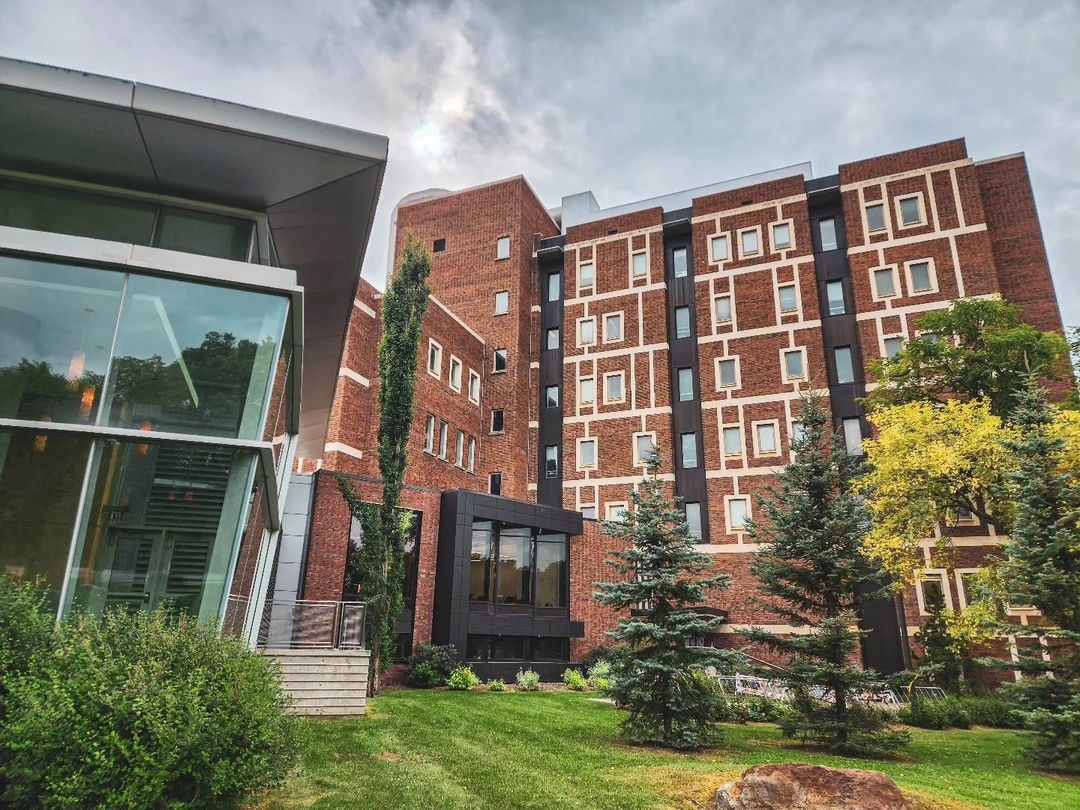
- Access to state-of-the-art teaching and learning facilities.
- Collaboration with leading researchers in the field of ecology and environmental biology.
- Fieldwork experiences that enhance practical understanding of ecological and evolutionary concepts.
Career Options
Graduates of the Bachelor of Science with Major in Ecology, Evolution and Environmental Biology can pursue a variety of career paths in Canada, including:
- Bacteriologist: Study bacteria and their impact on health, agriculture, and the environment.
- Biological Technician: Assist biological and medical scientists by preparing samples and conducting experiments.
- Ecologist: Research ecosystems and the relationships between organisms and their environments.
- Conservationist: Work on preserving natural resources and protecting wildlife habitats.
- Marine Biologist: Study marine organisms and their interactions with the environment.
These roles highlight the diverse opportunities available to graduates, allowing them to contribute to important environmental and biological research and initiatives.
DISCLAIMER: The information above is subject to change. For the latest updates, please contact LOA Portal's advisors.
Visit University of Alberta official website