Last updated on 2025-12-05






Program Overview
The Bachelor of Music - Music: Scholarship program at the University of British Columbia (UBC) is designed for students with a strong aptitude for research in music history, music theory, or ethnomusicology. This program is offered at UBC's Vancouver campus and provides a comprehensive education in music, allowing students to explore various aspects of the field while developing their performance skills. The program emphasizes both practical and theoretical knowledge, preparing graduates for a range of opportunities in the music industry.
Program Structure
The Bachelor of Music - Music: Scholarship program has a program length of 4 years. Students can choose to participate in a co-op option, which allows them to combine their studies with full-time, paid work at top local and international organizations. The program includes:
- Four years of private lessons in an instrument or voice
- Ensemble performance for four years
- Music scholarship studies for three years
- Non-music electives for four years
Students admitted to the program may follow one of four streams: General Studies, Advanced Performance, Scholarship, or Composition. Each stream has a unique distribution of required and elective courses, ensuring a tailored educational experience. If students have a special aptitude for research and meet the performance requirements of the General Studies Major, they may select a Major in Music Scholarship.
Featured Experiences
- Co-op opportunities that provide real-world experience and networking in the music industry.
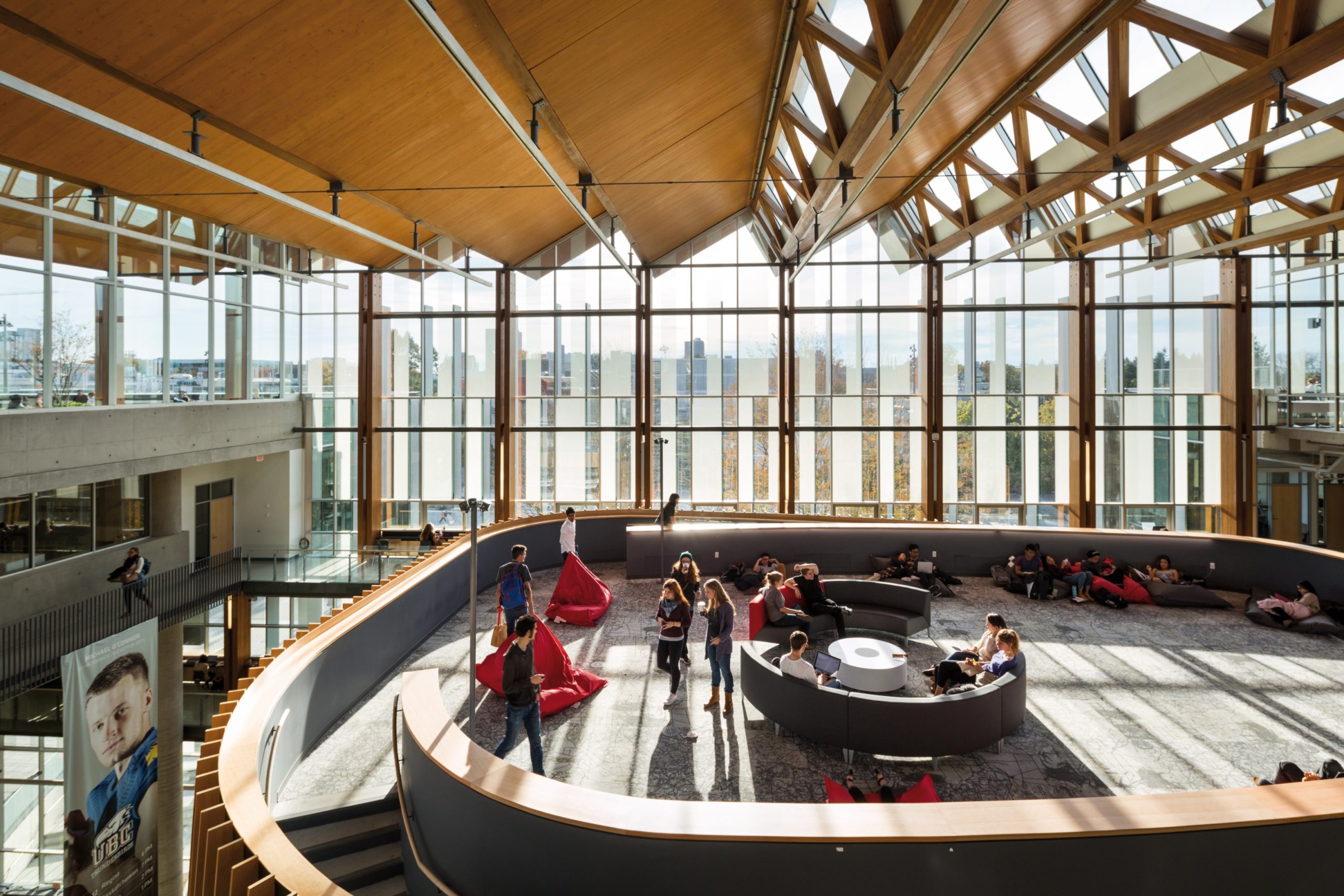
- Access to cutting-edge performance facilities, including the Gessler Multimedia Teaching Studio and the Chan Centre for the Performing Arts, which is recognized as one of the world's greatest concert halls.
- Intensive specialization options in various music fields, allowing students to focus on their specific interests.
Career Options
- Music Educator: Teach music in schools or private settings, sharing knowledge and skills with students of all ages.
- Music Therapist: Use music as a therapeutic tool to help individuals improve their mental, emotional, and physical well-being.
- Music Historian: Research and analyze the history of music, contributing to academic publications and educational resources.
- Ethnomusicologist: Study the music of different cultures, exploring its social and cultural contexts.
- Music Producer: Oversee the production of music recordings, working with artists to shape their sound and vision.
DISCLAIMER: The information above is subject to change. For the latest updates, please contact LOA Portal's advisors.
Visit UBC - The University of British Columbia official website