Last updated on 2025-12-05








Program Overview
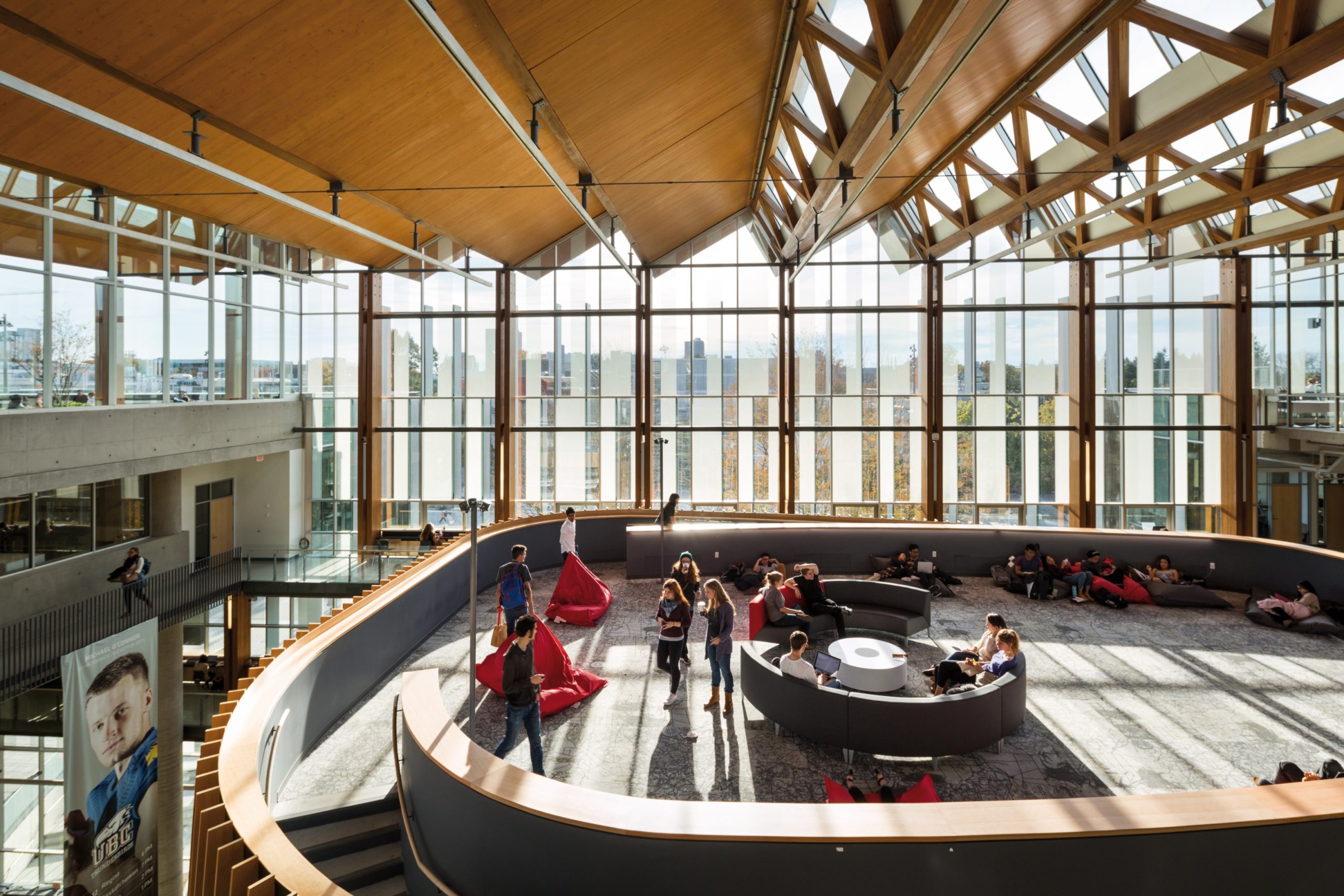
The Medieval Studies program at the University of British Columbia is an interdisciplinary exploration of the medieval period. This program allows students to develop a coherent understanding of the civilization as a whole, appreciating both its unity and diversity. Students have the option to select a Major or Minor in Medieval Studies, providing flexibility in their academic journey.
Program Structure
The Bachelor of Arts in Medieval Studies is designed to be completed in 4 years. This program offers a unique opportunity for students to engage in a co-op option, allowing them to combine their studies with full-time, paid work at top local and international organizations. The program is structured to provide a comprehensive understanding of the medieval period through various interdisciplinary approaches.
Key features of the program structure include:
- Program Length: 4 years
- Co-op Option: Yes, students can gain practical experience while studying.
- Honours Option: No, but students can pursue intense specialization in a single field.
- Study Exchange Programs: Opportunities to study in Europe for up to two terms, earning credits towards their UBC degree.
Featured Experiences
The Medieval Studies program offers several unique experiences that enhance the learning journey:
- Co-op Opportunities: Students can engage in full-time, paid work placements.
- Study Exchange Programs: Collaborations with universities across Europe, allowing students to immerse themselves in different cultures and academic environments.
- Interdisciplinary Approach: The program integrates history, literature, and the arts, providing a well-rounded education.
Career Options
Graduates of the Medieval Studies program can pursue a variety of career paths in Canada, including:
- Archivist: Responsible for preserving important historical documents and records.
- Auctioneer: Specializes in selling items at auction, often requiring knowledge of historical artifacts.
- Biographer: Writes detailed accounts of individuals' lives, often focusing on historical figures.
- Charitable Organization Director: Manages non-profit organizations, often with a focus on cultural or historical preservation.
- Museum Educator: Develops educational programs and resources for museums, enhancing public understanding of history.
Other potential career options include roles in publishing, communications, cultural organizations, tourism, and government, allowing graduates to apply their skills and knowledge in diverse fields.
DISCLAIMER: The information above is subject to change. For the latest updates, please contact LOA Portal's advisors.
Visit UBC - The University of British Columbia official website