Last updated on 2025-12-03
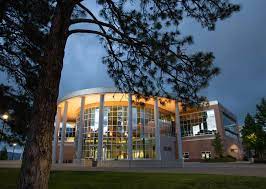
Program overview
The Bachelor of Natural Resource Science program is designed to equip students with a comprehensive understanding of the natural environment and the sustainable management of natural resources. This program emphasizes the importance of ecological principles and the role of science in addressing environmental challenges. Students will engage in hands-on learning experiences that prepare them for a variety of careers in the field of natural resource management. The program also offers an optional co-op component, allowing students to gain valuable work experience while studying.
Program structure
The Bachelor of Natural Resource Science program is structured to provide a balanced education in both theoretical and practical aspects of natural resource management. The program length is four years, during which students will complete a series of core and elective courses tailored to their interests and career goals. Key features of the program structure include:
- Hands-on learning opportunities through labs and fieldwork.
- Optional co-op placements to gain real-world experience.
- Interdisciplinary approach, integrating various fields of study.
- Flexibility in course selection to cater to individual career aspirations.
Students will also have access to resources and support to help them succeed in their studies and future careers.
Featured Experiences
- Co-op opportunities that allow students to work in the field while completing their degree.
- Field experiences that provide practical knowledge and skills in natural resource management.
- Laboratory work that enhances understanding of scientific principles related to natural resources.
- Joint partner programs with industry leaders for enhanced learning and networking.
- Research projects that encourage students to explore innovative solutions to environmental issues.
Career Options
- Environmental Consultant: Advises organizations on how to minimize their environmental impact and comply with regulations.
- Wildlife Biologist: Studies animal populations and habitats to inform conservation efforts and management practices.
- Forestry Technician: Assists in the management and conservation of forest resources, including planning and monitoring activities.
- Natural Resource Manager: Oversees the sustainable use and conservation of natural resources, balancing ecological health with economic needs.
- Environmental Educator: Develops and delivers educational programs to raise awareness about environmental issues and promote sustainability.
DISCLAIMER: The information above is subject to change. For the latest updates, please contact LOA Portal's advisors.
Visit TRU - Thompson Rivers University official website