Last updated on 2026-10-06












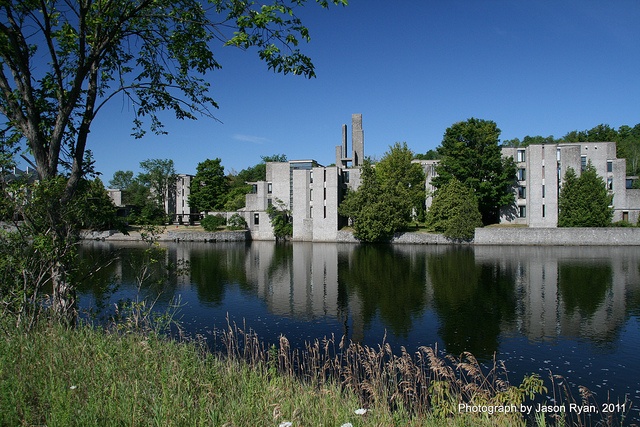
Program Overview
The Master of Arts in Canadian Studies and Indigenous Studies (Thesis-Based) at Trent University is designed to provide students with a comprehensive understanding of Canadian society and Indigenous cultures. This program emphasizes critical thinking and research skills, preparing graduates for various professional paths. Students will engage with diverse perspectives and methodologies, fostering a deep appreciation for the complexities of Canadian and Indigenous issues. The program is ideal for those looking to make a meaningful impact in their communities and beyond.
Program Structure
The Master of Arts in Canadian Studies and Indigenous Studies (Thesis-Based) is structured to provide a robust academic experience. Key details include:
- Program Length: Typically completed in 2 years.
- Credits: Requires a total of 30 credits for completion.
- Thesis Requirement: Students must complete a thesis as part of their degree.
- Program Options: Opportunities for research assistantships and collaboration with Indigenous communities.
This program is designed to be flexible, allowing students to tailor their studies to their interests while ensuring a comprehensive understanding of the subject matter.
Featured Experiences
- Engagement with Indigenous communities through collaborative projects.
- Research opportunities that allow students to explore pressing issues in Canadian and Indigenous contexts.
- Access to experienced faculty members who are leaders in their fields.
- Participation in conferences and workshops to enhance professional development.
- Opportunities for fieldwork and practical experiences that enrich academic learning.
Career Options
Graduates of the Master of Arts in Canadian Studies and Indigenous Studies can pursue a variety of career paths in Canada, including:
- Policy Analyst: Work with government agencies or NGOs to develop and analyze policies affecting Indigenous communities.
- Researcher: Conduct research on Canadian and Indigenous issues for academic institutions or think tanks.
- Community Development Officer: Collaborate with Indigenous communities to promote sustainable development initiatives.
- Educator: Teach Canadian Studies or Indigenous Studies at various educational levels.
- Advocacy Coordinator: Work with organizations to advocate for Indigenous rights and social justice.
These roles allow graduates to apply their knowledge and skills in meaningful ways, contributing to the betterment of society.
DISCLAIMER: The information above is subject to change. For the latest updates, please contact LOA Portal's advisors.
Visit Trent University official website