Last updated on 2026-08-12
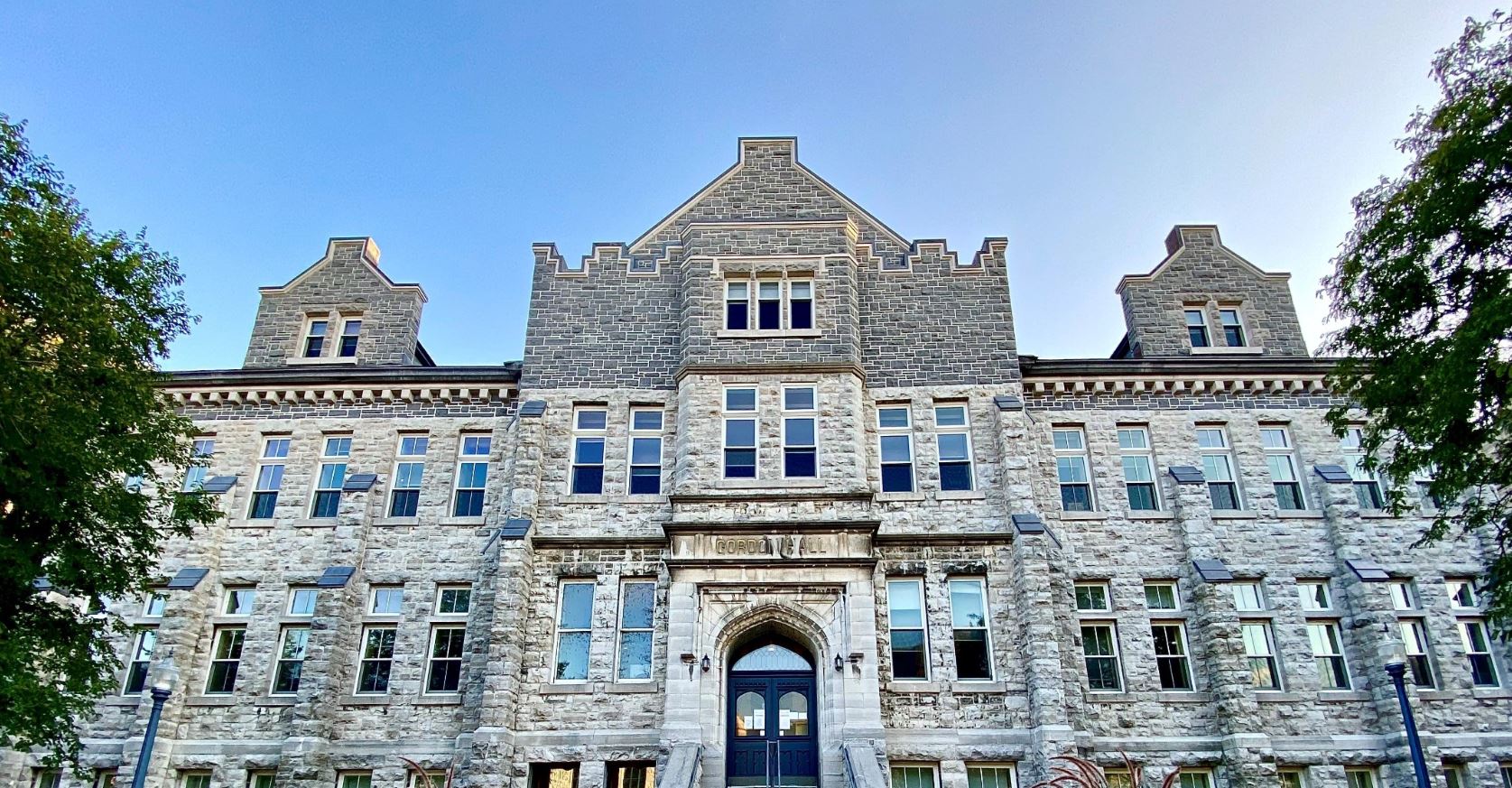
Program overview
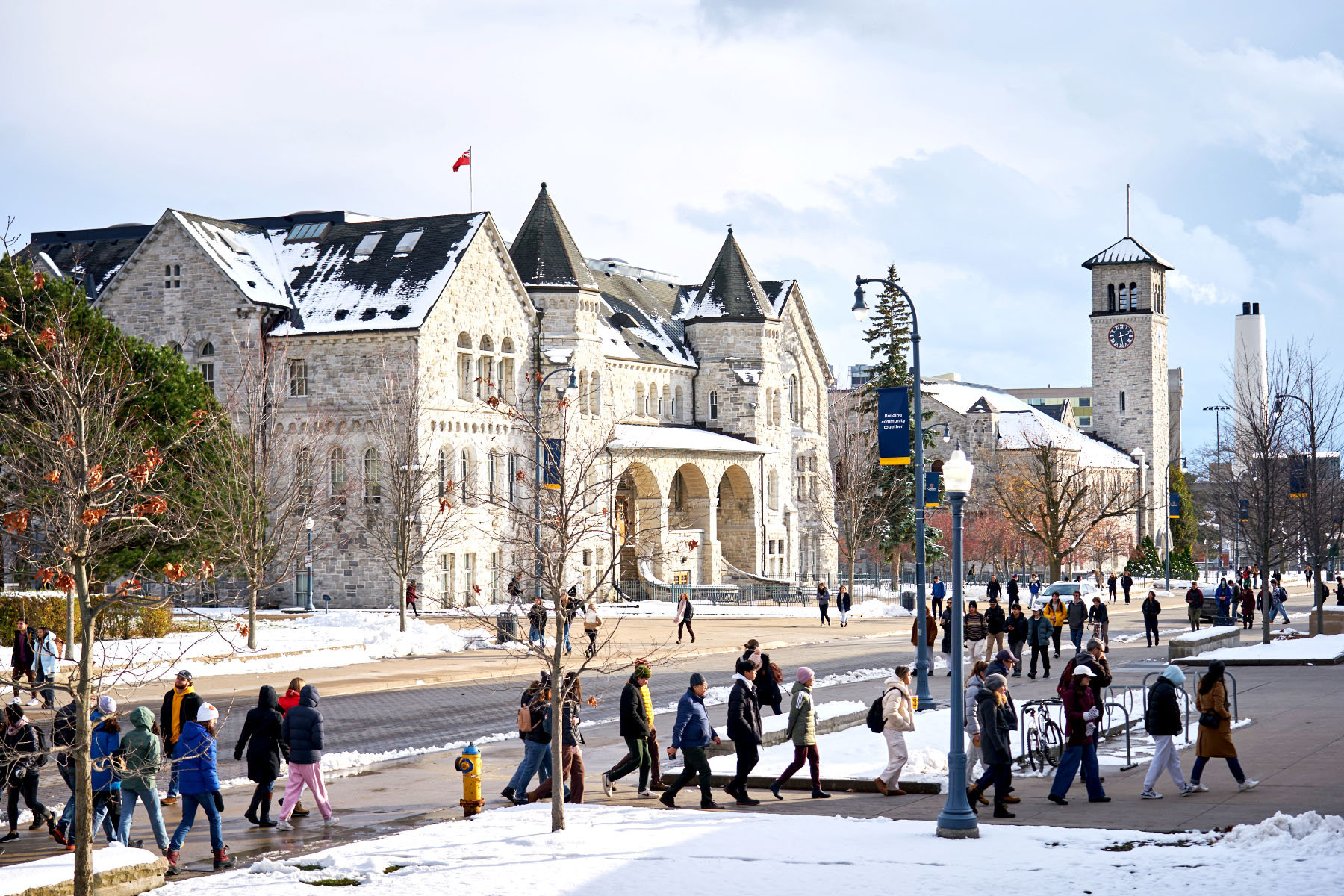
The Bachelor of Arts in History at Queen's University is designed for second-degree candidates seeking to deepen their understanding of historical contexts and narratives. This program emphasizes critical thinking, analytical skills, and a comprehensive grasp of historical events and their implications. It is ideal for those who have already completed a degree and wish to expand their academic horizons in the field of history.
Program structure
The Bachelor of Arts in History program is structured to provide a robust educational experience over a three-year period. Students will engage in a variety of learning methods, including lectures, seminars, and independent research projects. The program is designed to be flexible, allowing students to tailor their studies to their interests within the field of history.
Key features of the program structure include:
- Program Length: 3 years
- Options for co-op placements or internships may be available, providing practical experience in historical research and analysis.
- Students will have opportunities to participate in field studies and collaborative projects with local historical organizations.
Featured Experiences
The Bachelor of Arts in History program offers several unique experiences that enhance the learning journey:
- Co-op opportunities that allow students to gain hands-on experience in museums, archives, and historical sites.
- Field experiences that provide real-world context to historical studies, including visits to significant historical locations.
- Joint partner programs with local institutions for collaborative research projects.
- Access to specialized workshops and guest lectures from renowned historians and scholars.
Career Options
Graduates of the Bachelor of Arts in History program can pursue a variety of career paths in Canada, including:
- Historian: Conduct research and analyze historical data to provide insights into past events and trends.
- Museum Curator: Manage collections of historical artifacts and develop educational programs for the public.
- Archivist: Preserve and organize historical documents and records for institutions and organizations.
- Educator: Teach history at various educational levels, from primary schools to universities.
- Public Historian: Work with communities to promote historical awareness and engage the public in historical discussions.
DISCLAIMER: The information above is subject to change. For the latest updates, please contact LOA Portal's advisors.
Visit Queen's University official website