Last updated on 2026-05-11






Program overview
The College Diploma in Instrumentation Engineering Technology is designed to equip students with the essential skills and knowledge required in the field of instrumentation and control systems. This program focuses on the principles of measurement, control, and automation, preparing graduates for a variety of roles in industries such as manufacturing, energy, and technology. With an emphasis on practical experience, students will engage in hands-on learning to develop their technical abilities and problem-solving skills. The optional co-op component allows students to gain valuable work experience while studying, enhancing their employability upon graduation.
Program structure
The College Diploma in Instrumentation Engineering Technology offers a comprehensive curriculum that spans two years of full-time study. The program is structured to provide a balanced mix of theoretical knowledge and practical application, ensuring that students are well-prepared for the workforce. Key features of the program structure include:
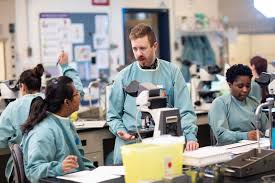
- Hands-on laboratory work to reinforce theoretical concepts.
- Access to modern equipment and technology used in the industry.
- Optional co-op opportunities to gain real-world experience.
- Project-based learning to develop teamwork and problem-solving skills.
Students will have the chance to engage in various learning activities that promote critical thinking and innovation, making them competitive candidates in the job market.
Featured Experiences
The College Diploma in Instrumentation Engineering Technology offers several unique experiences that enhance the learning journey:
- Co-op opportunities that allow students to work in the industry while completing their studies.
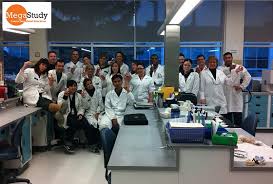
- Hands-on lab sessions where students can apply their knowledge in real-world scenarios.
- Field experiences that provide insights into the practical applications of instrumentation technology.
- Joint partner programs with industry leaders to facilitate networking and mentorship.
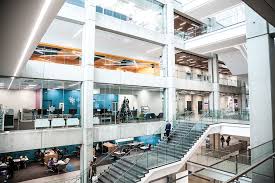
- Access to state-of-the-art facilities and equipment for a comprehensive learning experience.
Career Options
Graduates of the College Diploma in Instrumentation Engineering Technology can pursue a variety of career paths in Canada. Some potential job options include:
- Instrumentation Technician: Responsible for installing, maintaining, and repairing instrumentation systems in various industries.
- Control Systems Engineer: Designs and implements control systems to optimize processes in manufacturing and production environments.
- Automation Specialist: Works on automating processes and systems to improve efficiency and reduce human intervention.
- Field Service Technician: Provides on-site support and troubleshooting for instrumentation and control systems.
- Process Control Analyst: Analyzes and optimizes process control systems to enhance productivity and safety.
These roles highlight the diverse opportunities available to graduates, allowing them to make significant contributions to their respective fields.
DISCLAIMER: The information above is subject to change. For the latest updates, please contact LOA Portal's advisors.
Visit Northern Alberta Institute of Technology (NAIT) official website