Last updated on 2026-05-11










Program overview
The College Diploma in Civil Engineering Technology (Optional Co-op) is designed to equip students with the essential skills and knowledge required for a successful career in civil engineering. This program focuses on the principles of engineering technology, emphasizing practical applications and hands-on experience. Students will learn to design, analyze, and manage civil engineering projects, preparing them for various roles in the industry. The optional co-op component provides an opportunity for students to gain valuable work experience while studying, enhancing their employability upon graduation.
Program structure
The College Diploma in Civil Engineering Technology is structured to provide a comprehensive education in civil engineering principles and practices. The program is designed to be completed in two years, allowing students to gain both theoretical knowledge and practical skills. Key features of the program structure include:
- Hands-on learning experiences through labs and projects.
- Optional co-op opportunities to gain real-world experience.
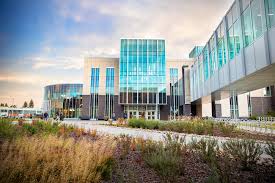
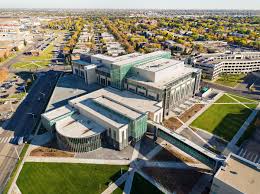
- Access to modern facilities and technology to support learning.
- Collaboration with industry partners for project-based learning.
This program prepares students for a dynamic career in civil engineering, ensuring they are well-equipped to meet the demands of the industry.
Featured Experiences
The College Diploma in Civil Engineering Technology offers several unique experiences that enhance the learning journey for students:
- Co-op opportunities that allow students to work in the field while studying, providing practical experience and networking.
- Access to state-of-the-art laboratories and equipment for hands-on learning.
- Field trips and site visits to real-world engineering projects, offering insights into industry practices.
- Collaboration with industry professionals through guest lectures and workshops.
- Project-based learning that encourages teamwork and problem-solving skills.
Career Options
Graduates of the College Diploma in Civil Engineering Technology can pursue a variety of career paths in Canada. Here are some potential job options:
- Civil Engineering Technologist: Assist engineers in designing and implementing civil engineering projects, including roads, bridges, and buildings.
- Construction Project Coordinator: Oversee construction projects, ensuring they are completed on time and within budget while adhering to safety regulations.
- Site Inspector: Inspect construction sites to ensure compliance with design specifications, safety standards, and building codes.
- Environmental Technician: Work on projects related to environmental protection, assessing the impact of construction activities on the environment.
- Surveying Technician: Assist in land surveying and mapping, providing essential data for construction and development projects.
These roles highlight the diverse opportunities available to graduates, allowing them to make significant contributions to the field of civil engineering.
DISCLAIMER: The information above is subject to change. For the latest updates, please contact LOA Portal's advisors.
Visit Northern Alberta Institute of Technology (NAIT) official website