Last updated on 2026-05-11
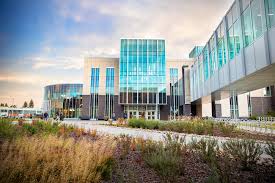
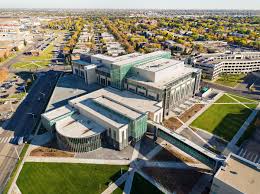
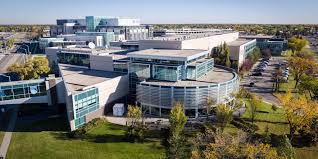








Program overview
The College Diploma in Game Development - Game Programming at NAIT is designed for students who are passionate about creating engaging video games. This program equips students with the essential skills and knowledge needed to thrive in the dynamic gaming industry. With a focus on both technical and creative aspects, students will learn to develop games from concept to completion, preparing them for various roles in the field. The program emphasizes hands-on experience, ensuring that graduates are well-prepared to enter the workforce upon completion.
Program structure
The Game Development - Game Programming diploma program is structured to provide a comprehensive education over a two-year period. This program includes:
- Hands-on learning experiences through projects and practical applications.
- Opportunities for collaboration with peers to enhance teamwork skills.
- Access to state-of-the-art technology and software used in the industry.
- Optional co-op placements that allow students to gain real-world experience.
Students will engage in various learning activities that prepare them for the challenges of the gaming industry. The program is designed to adapt to the evolving landscape of game development, ensuring that students are equipped with the latest skills and knowledge.
Featured Experiences
- Co-op opportunities that provide valuable industry experience.
- Access to labs equipped with the latest game development tools and technologies.
- Field experiences that allow students to apply their skills in real-world scenarios.
- Collaboration with industry partners on projects, enhancing networking opportunities.
- Participation in game jams and competitions to showcase skills and creativity.
Career Options
- Game Programmer: Develops the code that makes games function, ensuring smooth gameplay and user experience.
- Game Designer: Responsible for creating the overall concept, mechanics, and story of the game.
- Quality Assurance Tester: Tests games for bugs and issues, providing feedback to improve the final product.
- Technical Artist: Bridges the gap between art and programming, ensuring that visual elements are implemented correctly.
- Game Producer: Manages the production process, coordinating between different teams to ensure timely delivery of the game.
DISCLAIMER: The information above is subject to change. For the latest updates, please contact LOA Portal's advisors.
Visit Northern Alberta Institute of Technology (NAIT) official website