Last updated on 2026-05-11








Program overview
The College Diploma in Chemical Engineering Technology at NAIT is designed to equip students with the essential skills and knowledge required in the field of chemical engineering. This program focuses on the application of engineering principles to the production and processing of chemicals, materials, and energy. Students will engage in hands-on learning experiences that prepare them for a dynamic career in various industries, including petrochemicals, pharmaceuticals, and environmental management. Graduates will emerge with a solid foundation in both theoretical and practical aspects of chemical engineering technology, making them valuable assets in the workforce.
Program structure
The College Diploma in Chemical Engineering Technology is structured to provide a comprehensive education over a two-year period. The program includes a blend of classroom instruction and practical lab work, ensuring that students gain both theoretical knowledge and hands-on experience. Key features of the program structure include:
- Program Length: 2 years
- Hands-on laboratory experiences to reinforce theoretical concepts
- Opportunities for co-op placements to gain real-world experience
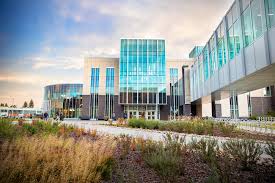
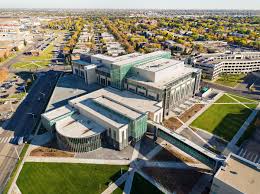
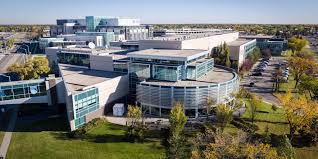
- Access to state-of-the-art facilities and equipment
- Collaboration with industry partners for practical insights
Students will also have the chance to participate in various projects and research initiatives, enhancing their learning experience and preparing them for future employment.
Featured Experiences
The College Diploma in Chemical Engineering Technology offers several unique experiences that enhance the educational journey of students:
- Co-op opportunities that allow students to work in the industry while studying, providing invaluable work experience.
- Access to modern laboratories equipped with the latest technology for practical learning.
- Field trips to local industries to observe real-world applications of chemical engineering principles.
- Joint partner programs with industry leaders to facilitate networking and mentorship.
- Hands-on projects that simulate real-world challenges faced in the chemical engineering field.
These experiences are designed to prepare students for successful careers by providing them with practical skills and industry connections.
Career Options
Graduates of the College Diploma in Chemical Engineering Technology can pursue a variety of career paths in Canada. Here are some potential job options:
- Chemical Technician: Assists in the development and production of chemicals, conducting experiments and analyzing data to ensure quality control.
- Process Operator: Monitors and controls chemical processes in manufacturing plants, ensuring safety and efficiency in production.
- Environmental Technician: Works on projects related to environmental protection, conducting assessments and implementing solutions to reduce pollution.
- Quality Control Analyst: Tests and analyzes products to ensure they meet industry standards and regulations, playing a crucial role in maintaining product quality.
- Research Assistant: Supports research projects in chemical engineering, assisting with experiments, data collection, and analysis.
These roles highlight the diverse opportunities available to graduates, allowing them to make significant contributions to various sectors within the chemical engineering field.
DISCLAIMER: The information above is subject to change. For the latest updates, please contact LOA Portal's advisors.
Visit Northern Alberta Institute of Technology (NAIT) official website