Last updated on 2026-05-11







Program overview
The College Diploma in Conservation Biology at NAIT is designed for students passionate about the environment and wildlife conservation. This program equips students with the necessary skills and knowledge to address ecological challenges and promote sustainable practices. With a focus on hands-on learning and real-world applications, students will engage in various activities that enhance their understanding of biodiversity, ecosystems, and conservation strategies. The optional co-op component allows students to gain valuable work experience while studying, making them more competitive in the job market upon graduation.
Program structure
The Conservation Biology program is structured to provide a comprehensive education in environmental science and conservation practices. The program length is two years, during which students will participate in a variety of learning experiences, including:
- Hands-on laboratory work
- Field studies to observe and analyze ecosystems
- Research projects that contribute to conservation efforts
- Optional co-op placements for practical experience
This program emphasizes experiential learning, allowing students to apply theoretical knowledge in real-world settings. The curriculum is designed to adapt to the evolving needs of the conservation field, ensuring that students are well-prepared for future challenges.
Featured Experiences
- Co-op opportunities that provide practical experience in conservation-related jobs.
- Fieldwork that allows students to engage directly with ecosystems and wildlife.
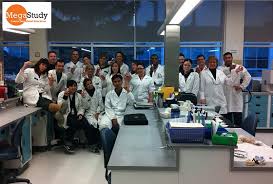
- Laboratory experiences that enhance understanding of biological processes and conservation techniques.
- Research projects that may involve collaboration with local conservation organizations.
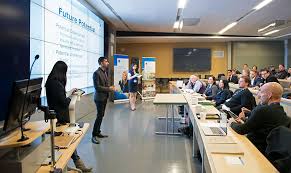
- Workshops and seminars led by industry professionals to gain insights into current conservation practices.
Career Options
- Wildlife Biologist: Study animal populations and their habitats to develop conservation strategies.
- Environmental Consultant: Advise organizations on environmental best practices and compliance with regulations.
- Conservation Officer: Enforce laws related to wildlife and natural resource protection.
- Ecologist: Research ecosystems and their interactions to inform conservation efforts.
- Park Ranger: Manage and protect natural parks, ensuring the preservation of wildlife and habitats.
DISCLAIMER: The information above is subject to change. For the latest updates, please contact LOA Portal's advisors.
Visit Northern Alberta Institute of Technology (NAIT) official website