Last updated on 2025-05-14



Program Overview
The Environmental Monitoring and Assessment program at NAIT focuses on studying the impact of human activities on air, water, soil, and vegetation. Students will gain a solid foundation in environmental sampling, assessment, and laboratory skills. This program prepares graduates to monitor and assess environmental quality, manage waste, and reclaim and remediate land. With hands-on training, students will learn to conduct environmental site assessments and analyze samples for pollutants in various environmental labs. Graduates will be equipped to work with industry, consultants, or government agencies on land and water remediation projects.
Program Structure
The Environmental Monitoring and Assessment program is designed to be completed in 2 years of full-time study. The program is delivered in a hybrid format, combining both in-person and online learning experiences. Students can expect to engage in:
- Field analysis of soil, vegetation, and water quality
- Monitoring of air pollutants
- Collection of environmental samples for lab analysis
- Conducting environmental site assessments
- Maintaining and calibrating field equipment
Additionally, students have the option to participate in a co-op pathway, which includes a mandatory co-op work practicum, providing valuable work experience in the field.
Featured Experiences
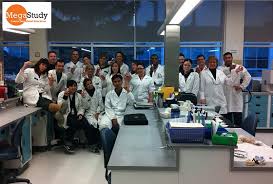
- Hands-on training in dedicated instructional laboratories with extensive scientific equipment.
- Field skills development, including environmental sampling and analysis.
- Opportunities for co-op placements to gain real-world experience.
- Access to a technical support team for assistance in labs.
- Projects that involve monitoring and assessing environmental quality.
Career Options
Graduates of the Environmental Monitoring and Assessment program can pursue various career paths in Canada, including:
- Environmental Consultant: Work with organizations to assess environmental impacts and develop strategies for compliance with regulations.
- Field Technician: Conduct field studies and collect data on environmental conditions, including air and water quality.
- Laboratory Technician: Analyze environmental samples for pollutants and prepare reports on findings.
- Environmental Scientist: Research and develop solutions to environmental issues, focusing on sustainability and conservation.
- Regulatory Affairs Specialist: Ensure that organizations comply with environmental laws and regulations, providing guidance on best practices.
DISCLAIMER: The information above is subject to change. For the latest updates, please contact LOA Portal's advisors.
Visit Northern Alberta Institute of Technology (NAIT) official website