Last updated on 2026-01-16






Program overview
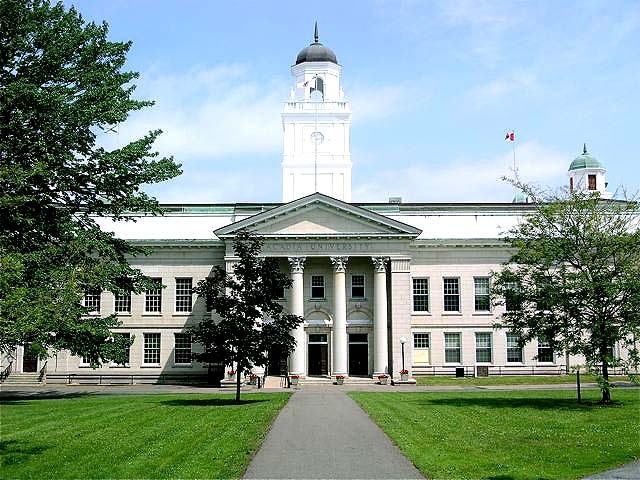
The Bachelor of Applied Science in Engineering at Acadia University offers students a unique opportunity to begin their engineering education in a supportive environment. Students will start their studies at Acadia, benefiting from small class sizes and strong student-teacher interaction. This program is designed to provide a solid foundation in engineering principles before transitioning to Dalhousie University to complete their degree. The program emphasizes hands-on learning and real-world problem-solving, preparing students for a successful career in engineering.
Program structure
The Bachelor of Applied Science in Engineering program is structured to provide a comprehensive education over a two-year period at Acadia University, followed by a transition to Dalhousie University for the completion of the degree. Key features of the program structure include:
- Program Length: Two years at Acadia, followed by two years at Dalhousie University.
- Hands-on learning opportunities in design and prototyping.
- Flexible pathways to match individual goals, including options for combined programs.
- Co-op opportunities available to gain practical experience.
- Study abroad options to enhance global perspectives.
This structure ensures that students receive a well-rounded education, equipping them with the necessary skills and knowledge to excel in various engineering disciplines.
Featured Experiences
The Bachelor of Applied Science in Engineering program offers several unique experiences that enhance the educational journey of students:
- Co-op Education: Students have the opportunity to participate in co-op placements, gaining valuable work experience in the engineering field.
- Hands-on Learning: The program emphasizes practical, hands-on learning through design studios and technical projects.
- Small Class Sizes: Students benefit from personalized attention and mentorship from approachable professors.
- Real-World Problem Solving: The curriculum is designed to address real-world engineering challenges, preparing students for future careers.
- Study Abroad Options: Students can explore international opportunities to broaden their educational experience.
Career Options
Graduates of the Bachelor of Applied Science in Engineering program can pursue a variety of career paths in Canada. Some potential job titles include:
- Aerospace Engineer: Design and develop aircraft, spacecraft, and related systems.
- Civil Engineer: Plan, design, and oversee construction projects such as roads, bridges, and buildings.
- Electrical Engineer: Work on electrical systems, including power generation and distribution, electronics, and telecommunications.
- Environmental Engineer: Focus on solutions to environmental problems, including waste management and pollution control.
- Mechanical Engineer: Design and analyze mechanical systems, including machinery and tools.
- Project Manager: Oversee engineering projects, ensuring they are completed on time and within budget.
- Renewable Energy Engineer: Develop and implement technologies for sustainable energy solutions.
- Robotics Designer/Engineer: Create and improve robotic systems for various applications.
These career options reflect the diverse opportunities available to graduates, allowing them to make significant contributions to various industries.
DISCLAIMER: The information above is subject to change. For the latest updates, please contact LOA Portal's advisors.
Visit Acadia University official website