Last updated on 2026-10-05






Program overview
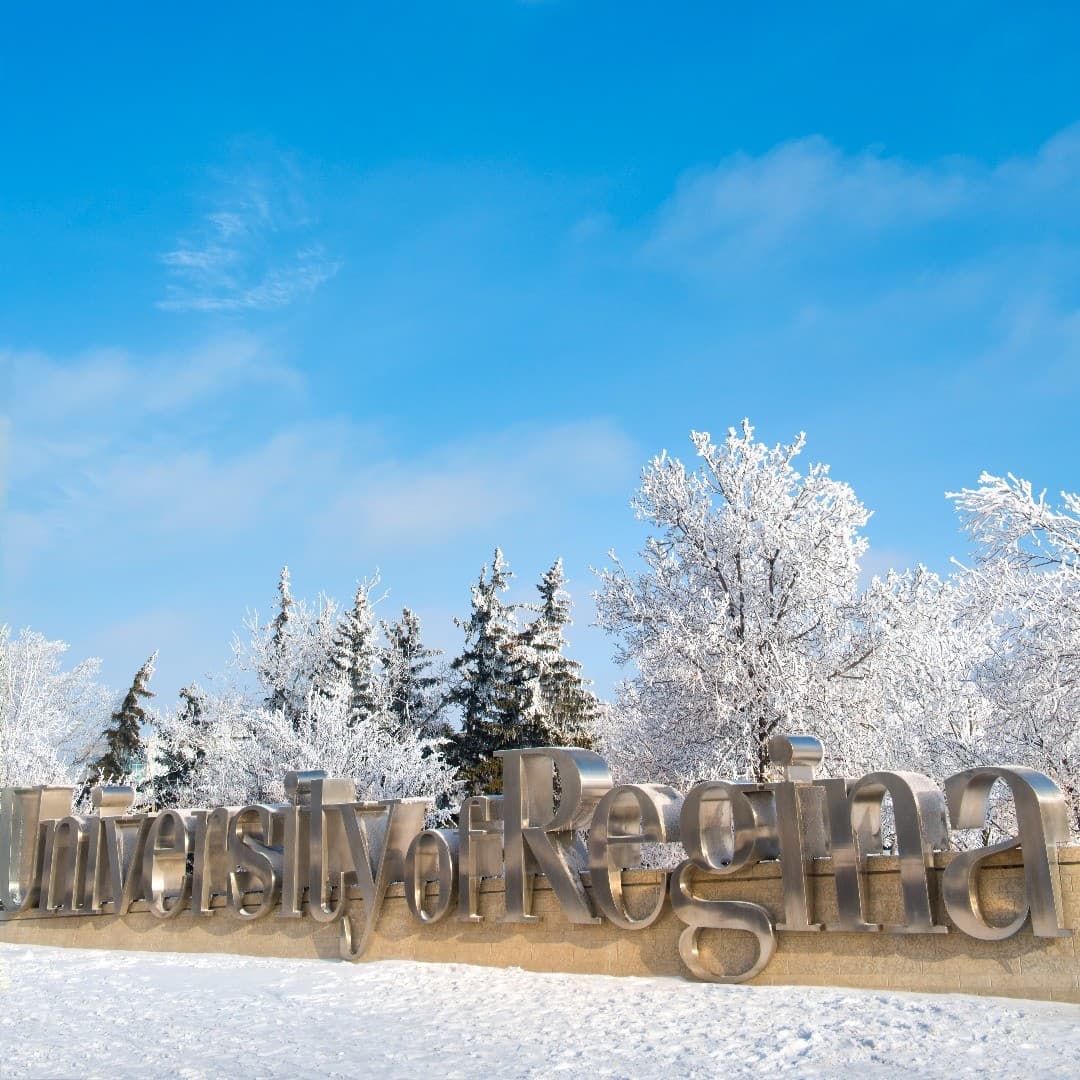
The Master of Science in Earth Sciences at the University of Regina offers students a comprehensive education in geology, preparing them for advanced careers in the geosciences. This program is designed for those who wish to deepen their understanding of Earth processes and engage in significant research activities. Students benefit from close mentorship by experienced faculty and have access to specialized resources and facilities. Graduates of this program are recognized nationally and internationally, making them eligible for registration with professional geoscientific societies in Canada. The program emphasizes hands-on training and practical experience, ensuring that students are well-equipped for their future careers.
Program structure
The Master of Science in Earth Sciences program is structured to provide a robust educational experience over a two-year period. This program includes a combination of coursework and research, allowing students to engage deeply with their chosen topics. Key features of the program structure include:
- Close collaboration with faculty members on research projects.
- Hands-on training opportunities in both laboratory and field settings.
- Access to specialized research facilities and equipment.
- Opportunities for internships and co-op placements with industry partners.
- Community service learning and volunteer opportunities to enhance practical skills.
Students are encouraged to take advantage of the strong connections the program has with industry and government agencies, which can lead to valuable networking opportunities and practical experiences.
Featured Experiences
The Master of Science in Earth Sciences program offers a variety of unique experiences that enhance the educational journey of its students:
- Internships: Many students participate in industry-funded projects, gaining practical experience and networking opportunities.
- Teaching Assistantships: Graduate students can mentor undergraduate students, developing transferable skills for their future careers.
- Community Service Learning: Students engage with local schools and organizations, sharing Earth science knowledge and gaining logistical planning experience.
- Research Opportunities: Students have access to specialized labs and equipment, allowing them to conduct significant research in various fields of geology.
- Collaboration with Industry: The program has strong ties with Saskatchewan industry partners, providing hands-on learning opportunities and access to real-world data.
Career Options
Graduates of the Master of Science in Earth Sciences program have a wide range of career options available to them in Canada. Some potential job roles include:
- Petroleum Geologist: Specializes in the exploration and extraction of oil and gas resources, analyzing geological formations to locate potential reserves.
- Environmental Scientist: Works on assessing and mitigating environmental impacts, conducting research to promote sustainable practices in resource management.
- Seismologist: Studies seismic waves to understand earthquakes and the Earth's internal structure, contributing to disaster preparedness and risk assessment.
- Mineral Surveyor: Conducts surveys to assess mineral resources, providing critical data for mining operations and resource management.
- Hydrogeologist: Focuses on groundwater resources, studying aquifers and water quality to ensure sustainable water supply and management.
- Oceanographer: Investigates ocean processes and marine ecosystems, contributing to our understanding of climate change and marine resource management.
- Engineering Geologist: Applies geological knowledge to engineering projects, assessing site conditions and risks for construction and infrastructure development.
- Research Geologist: Engages in academic or industry research, contributing to advancements in geological sciences and resource exploration.
DISCLAIMER: The information above is subject to change. For the latest updates, please contact LOA Portal's advisors.
Visit UOR - University Of Regina official website