Last updated on 2026-10-06






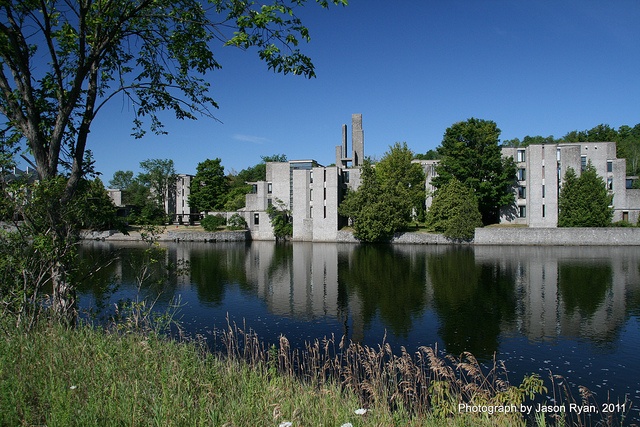
Program Overview
The Master of Science in Environmental and Life Sciences (Thesis-Based) at Trent University is designed for students who are passionate about understanding and addressing environmental challenges. This program emphasizes research and critical thinking, preparing graduates to tackle complex issues related to environmental sustainability and life sciences. With a focus on interdisciplinary approaches, students will engage in hands-on research that contributes to real-world solutions. The program is ideal for those looking to advance their academic careers or pursue professional opportunities in environmental science.
Program Structure
The Master of Science in Environmental and Life Sciences (Thesis-Based) program is structured to provide a comprehensive educational experience. Key details include:
- Program Length: Typically completed in 2 years.
- Credits: The program requires a total of 30 credits.
- Thesis Requirement: Students must complete a research thesis as part of their degree.
- Program Options: Opportunities for co-op placements and internships may be available, allowing students to gain practical experience in the field.
This program is designed to equip students with the necessary skills and knowledge to excel in their future careers.
Featured Experiences
- Hands-on research opportunities that allow students to engage directly with environmental issues.
- Access to state-of-the-art laboratories and research facilities.
- Collaboration with faculty members who are experts in their fields.
- Potential for fieldwork and practical experiences in various environmental settings.
- Networking opportunities through partnerships with industry and research organizations.
Career Options
Graduates of the Master of Science in Environmental and Life Sciences can pursue a variety of career paths in Canada, including:
- Environmental Consultant: Advises organizations on how to minimize their environmental impact and comply with regulations.
- Research Scientist: Conducts studies and experiments to advance knowledge in environmental science and life sciences.
- Conservation Biologist: Works to protect and manage natural resources and wildlife populations.
- Environmental Policy Analyst: Analyzes and develops policies related to environmental protection and sustainability.
- Ecologist: Studies ecosystems and the relationships between organisms and their environment to inform conservation efforts.
These roles highlight the diverse opportunities available to graduates, allowing them to make a significant impact in the field of environmental science.
DISCLAIMER: The information above is subject to change. For the latest updates, please contact LOA Portal's advisors.
Visit Trent University official website