Last updated on 2026-10-05





Program Overview
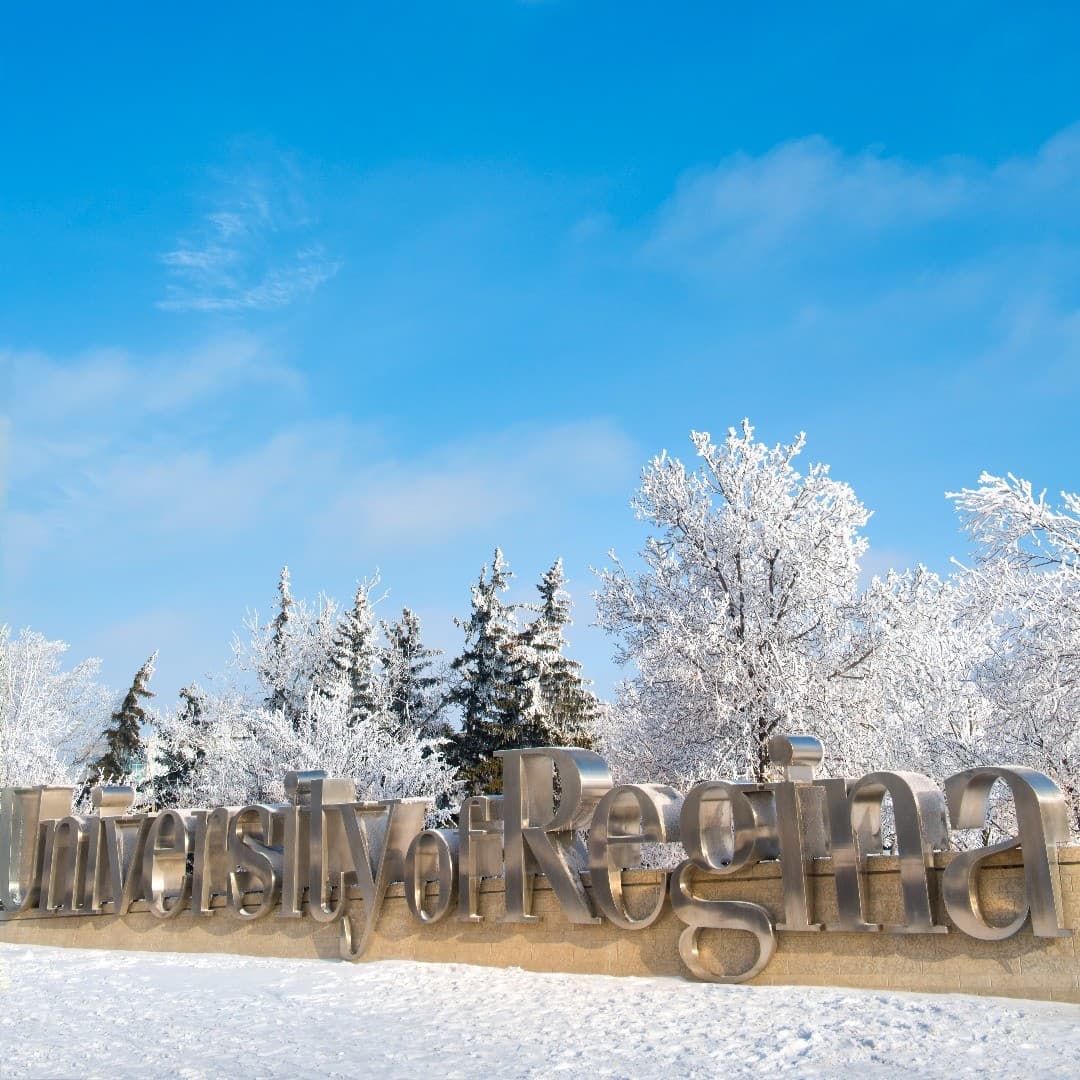
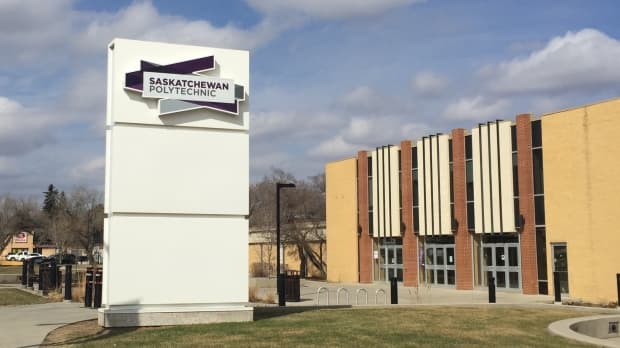
The Bachelor of Science in Environmental Biology at the University of Regina is designed for students interested in exploring contemporary environmental issues. This program emphasizes hands-on, experiential learning, allowing students to engage deeply with ecological and environmental challenges. Students will learn to monitor, assess, and manage natural resources while applying various techniques, including mapping and remote sensing. The program is a joint initiative with Saskatchewan Polytechnic, Lethbridge College, and Lakeland College, providing a comprehensive educational experience that prepares graduates for diverse career paths in environmental science.
Program Structure
The Bachelor of Science in Environmental Biology is structured to be completed in a 4-year timeframe, following a two-year diploma from one of the partner colleges. Here are the key details:
- Program Length: 4 years
- Credits: Completion of a two-year diploma is required before entering the program.
- Offered Through: University of Regina, Campion College, First Nations University of Canada, Luther College
- Pathways: Students can either complete a diploma first and then transfer to U of R or start at U of R, transfer to a college for the diploma, and return to complete the degree.
Students will benefit from extensive experiential learning and hands-on training, which is a hallmark of this program. The program also includes opportunities for independent research, allowing students to gain practical skills sought after by employers.
Featured Experiences
- Field work is a significant component, allowing students to collect water and soil samples and conduct environmental impact assessments.
- Access to state-of-the-art laboratories and specialized equipment for hands-on training.
- Independent research projects with faculty members, enhancing practical skills in project design and execution.
- Facilities include an aquatics facility, animal care facility, Environmental Quality Analysis Laboratory, and a field station in Cypress Hills.
- Collaboration with expert faculty members recognized for their contributions to undergraduate education and research.
Career Options
Graduates of the Bachelor of Science in Environmental Biology can pursue a variety of career paths in both the public and private sectors. Here are some potential job options:
- Biogeographer: Studies the distribution of species and ecosystems in geographic space and through geological time.
- Biologist: Conducts research and experiments to understand living organisms and their interactions with the environment.
- Biostatistician: Applies statistical methods to analyze biological data and inform research decisions.
- Ecologist: Studies ecosystems, biodiversity, and the relationships between organisms and their environment.
- Environmental Impact Assessor: Evaluates the potential environmental effects of proposed development projects and recommends mitigation strategies.
- Plant Physiologist: Investigates plant functions and processes, contributing to agricultural and environmental sustainability.
- Science Policy Analyst: Analyzes and develops policies related to environmental science and conservation efforts.
DISCLAIMER: The information above is subject to change. For the latest updates, please contact LOA Portal's advisors.
Visit UOR - University Of Regina official website