Last updated on 2026-10-05









Program Overview
Study Biology at the University of Regina, where you will engage in hands-on, experiential learning within state-of-the-art scientific facilities. The program emphasizes practical skills and knowledge in various biological fields, including ecology, microbiology, and physiology. With a focus on both terrestrial and aquatic ecosystems, students will explore critical environmental issues and the intricate relationships between organisms. The Biology Department is recognized for its leadership in undergraduate education, providing students with opportunities to learn from expert faculty members who are actively involved in research and innovation.
Program Structure
The Bachelor of Science in Biology program at the University of Regina is designed to provide a comprehensive education in biological sciences. The program structure includes:
- Program Length: 4 years
- Credits: Completion of required credit hours as per the program guidelines.
- Options: Students can choose from two optional areas of concentration:
- Cellular and Molecular Biology
- Ecology and Environmental Biology
- Combined major options are available, including a Bachelor of Science combined major in Biology and Geography.
- Co-op education program available, allowing students to gain practical experience in real-world settings.
This program is offered through the University of Regina and its affiliated colleges, ensuring a well-rounded educational experience.
Featured Experiences
The Bachelor of Science in Biology program offers a variety of unique experiences that enhance learning and professional development:
- Co-op Education Program: Provides students with hands-on work experience in private companies, research institutions, and government laboratories.
- Extensive Laboratory Skills: Students benefit from a dedicated team of instructors in well-equipped labs, focusing on immersive learning.
- Independent Research Opportunities: Many students conduct research projects with faculty, gaining valuable skills in project design and execution.
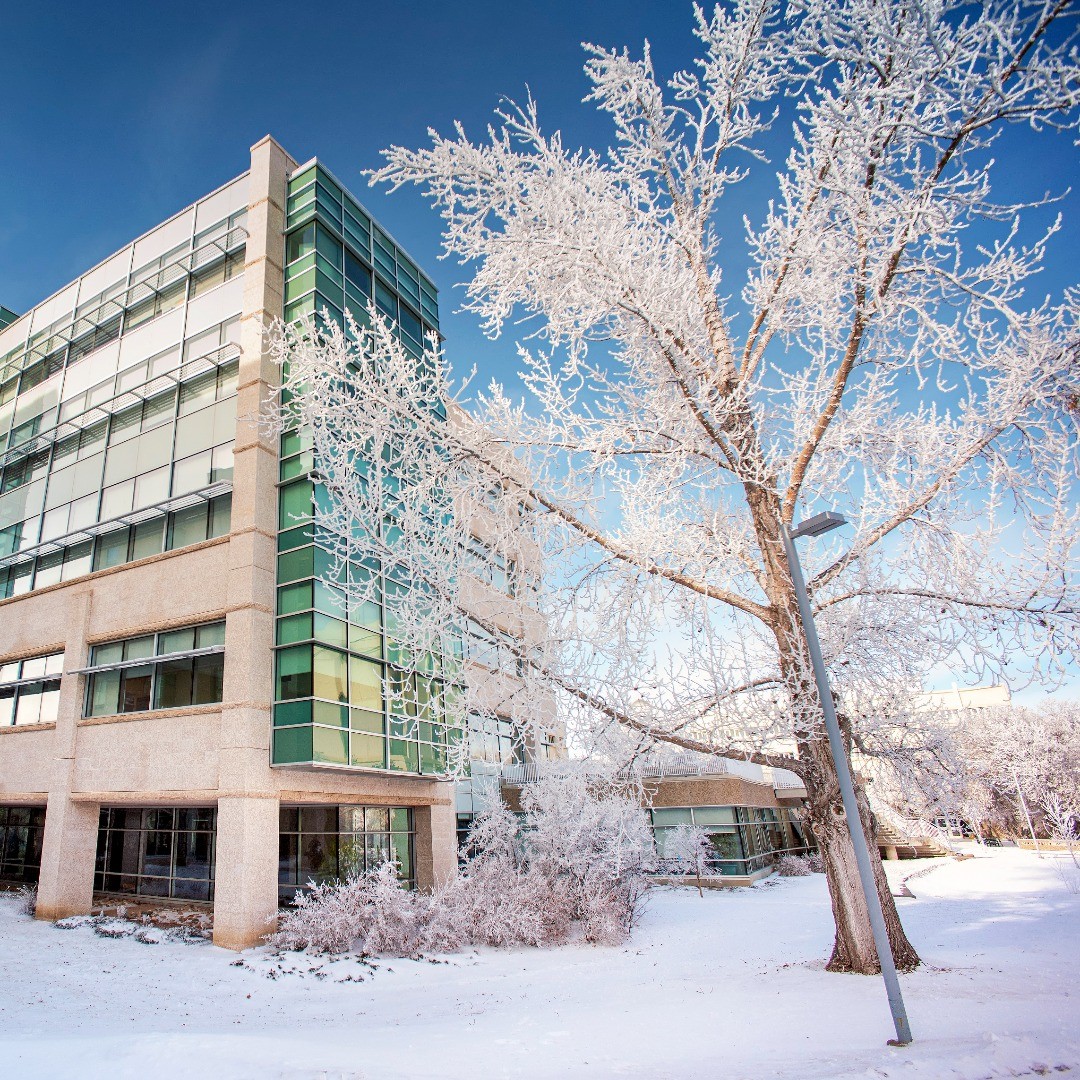
- State-of-the-Art Facilities: Access to specialized laboratories, including aquatics facilities, environmental quality analysis labs, and more.
- Expert Faculty: Learn from professors who are leaders in their fields, specializing in various areas of biology.
Career Options
Graduates of the Bachelor of Science in Biology program have a wide range of career opportunities in Canada. Here are some potential job roles:
- Biologist: Conduct research and experiments to study living organisms and their interactions with the environment.
- Ecologist: Focus on the relationships between organisms and their ecosystems, often working on conservation projects.
- Microbiologist: Study microorganisms, their impact on humans, animals, plants, and the environment.
- Immunologist: Research the immune system and develop treatments for immune-related diseases.
- Pharmacologist: Investigate the effects of drugs on biological systems and develop new medications.
These roles highlight the diverse applications of a biology degree, preparing graduates for both public and private sector employment, as well as further studies in graduate programs.
DISCLAIMER: The information above is subject to change. For the latest updates, please contact LOA Portal's advisors.
Visit UOR - University Of Regina official website